
Today's Gold Price Forecast in Pakistan
📈 Check today's gold price forecast in Pakistan! Learn how economic trends, local events, and technical analysis impact your gold investments. 💰
Edited By
Sophie Mitchell
Gold remains a cherished asset in Pakistan, not only as a traditional store of value but also as a popular investment during uncertain times. Predicting gold rates accurately requires understanding a mix of local and global factors that shape price movements.
At the local level, the Pakistani rupee’s fluctuating value against the US dollar directly affects gold prices. Since gold is traded globally in dollars, any depreciation of the rupee typically pushes up gold rates in Pakistani markets. For example, in periods where the rupee weakens against the dollar by 2-3%, gold prices in PKR often rise by a similar margin.
Globally, economic indicators such as the US Federal Reserve’s interest rate decisions and inflation data heavily influence gold prices. When the US hikes interest rates, holding gold becomes less attractive as it offers no yield, usually causing prices to dip. Conversely, rising inflation or geopolitical tensions spur demand for gold as a safe haven.
In addition, Pakistan experiences seasonal demand spikes during festivals like Eid and wedding seasons, which can temporarily lift gold prices by 1-2%. Traders should keep these seasonal patterns in mind to time purchases or sales effectively.
Monitoring currency trends and international economic signals alongside local buying habits provides a clearer picture for gold rate forecasting in Pakistan.
Investors and market analysts focusing on Pakistani gold should consider:
Rupee-dollar exchange rate volatility
Global interest rate trends and inflation data
Geopolitical developments impacting market confidence
Seasonal buying patterns linked to cultural events
This information enables better timing in gold transactions, helping to maximise gains or minimise losses in a fluctuating market.
With this foundation, deeper insights into forecast models and market behaviour will clarify how to approach gold investment decisions in Pakistan’s unique financial context.
Understanding the dynamics of the gold market is essential for anyone involved in trading, investing, or analysing Pakistan's gold rates. This section highlights the major factors influencing gold prices both globally and locally, providing a foundation to interpret market movements and forecast rates with greater precision.
Knowing these dynamics helps traders and investors make timely decisions. For instance, an investor aware of global economic shifts can better anticipate how gold will behave. Similarly, understanding local quirks like demand during wedding seasons can guide buyers on the best times to purchase or sell.
Gold prices react strongly to worldwide economic health. During slowdowns or recessions in major economies like the US, China, or the EU, investors often seek safety in gold, pushing prices up. For example, the 2020 pandemic-induced global slowdown saw a surge in gold prices as confidence in other assets dropped. Conversely, when economic data signals growth, gold’s appeal lessens because investors prefer higher-return assets.
This global ripple effect means that even events far from Pakistan impact local gold rates. Traders keeping track of global GDP reports, industrial output, or employment figures can better predict near-term gold price directions.
Since gold is priced in US dollars, fluctuations in the dollar’s strength directly affect gold rates. A stronger dollar makes gold more expensive for buyers using other currencies, tending to lower gold demand and thus prices. On the other hand, a weaker dollar can boost gold’s appeal internationally.
Interest rates set by the US Federal Reserve also influence gold prices. When rates rise, fixed-income assets yield more, making gold less attractive since it offers no interest. Pakistan’s gold traders closely watch these shifts, as US monetary policy changes can set the tone for global gold price trends.
Gold often acts as a safe haven during geopolitical uncertainty—wars, conflicts, or political instability increase demand as investors look for secure assets. For example, tensions in the Middle East or trade disputes involving China impact gold markets worldwide.
For Pakistan, regional issues such as border conflicts or domestic unrest can add extra pressure on gold prices locally. Traders and analysts pay close attention to these events, knowing they can trigger sudden price swings.
The value of the Pakistani Rupee (PKR) against the US dollar plays a vital role in local gold rates. Since Pakistan imports gold priced in dollars, a falling Rupee means higher costs, pushing local gold prices up. During periods of Rupee depreciation—like in late 2023 when the PKR weakened past Rs 285 per USD—gold prices in local markets adjusted upward accordingly.
Investors and consumers must watch the currency trends closely, as sudden Rupee movement could affect gold affordability and trading behaviour.
Import duties, taxes, and levies enforced by the government influence gold prices in Pakistan. Any increase in customs duty or regulatory charges directly raises costs for jewellers and traders, who pass these onto consumers.
For example, in budget announcements, changes in import duty rates or sales tax adjustments on luxury goods including gold jewellery impact the prevailing prices. Monitoring these policy updates helps buyers anticipate possible price hikes or dips.
Gold demand in Pakistan spikes during religious festivals like Eid-ul-Fitr and Eid-ul-Adha, as well as the wedding season spanning several months from November to March. Traditionally, families purchase gold jewellery as gifts or investment during these periods, causing seasonal price surges.

Understanding these demand cycles is crucial for traders and buyers to time their transactions. For instance, purchasing before Eid might be cost-effective, while prices generally rise sharply during peak wedding months due to heightened demand.
Gold market dynamics merge global influences with local realities. Staying informed about these factors allows stakeholders to navigate price volatility and make knowledgeable decisions.
Understanding recent trends in gold prices within Pakistan gives traders and investors valuable clues for future price movements. It reveals how economic and market forces have played out over the past year, shaping the demand, supply, and ultimately, the price of gold in local terms. Keeping an eye on these trends helps investors make timely decisions, whether they plan to buy, sell, or hold their gold assets.
Gold prices in Pakistan have shown considerable month-to-month fluctuation during the past year, often responding quickly to changes in currency value and global signals. For instance, during months when the Pakistani rupee weakened against the US dollar, gold prices tended to spike, reflecting the increased cost of imports. Conversely, strengthening of PKR or global gold price corrections resulted in sluggish or falling local gold rates. Understanding these monthly shifts can help an investor spot entry points and plan purchases ahead of anticipated upswings or fallbacks.
Comparing Pakistan's gold rate trends with neighbouring countries like India or the UAE is useful for trading and pricing strategies. Regional markets often experience similar drivers such as oil price changes, geopolitical developments, and seasonal demand during festivals. However, Pakistan's unique import taxes and currency conditions occasionally cause divergence from regional price patterns. This comparison highlights arbitrage opportunities and risk factors that could impact cross-border gold trading or investment decisions.
Inflation heavily influences gold demand and pricing in Pakistan. As inflation rises, gold often becomes a preferred store of value, pushing prices higher. For example, surges in food and fuel prices in recent months saw more middle-class buyers turning to gold as a hedge. Meanwhile, government policies on imports, taxes, and interest rates shape market confidence and accessibility. A rise in import duties or tightening monetary policy can dampen demand, affecting short-term price moves.
Legal frameworks and regulatory changes impact transparency and trust in Pakistan's gold market. Updates such as stricter purity certification requirements and monitoring of gold imports affect the availability and quality of gold, which in turn influence prices. Reliable regulation helps curb counterfeit trading, encouraging safer investments. Traders need to stay updated on these legal measures to ensure compliance and avoid risks associated with uncertified gold transactions.
Regularly tracking recent trends and understanding local economic factors equips investors with practical insights to navigate Pakistan’s gold market more confidently and effectively.
Understanding the main drivers behind gold rate forecasts is vital for traders, investors, and analysts alike. These drivers provide insight into how various economic and geopolitical factors influence gold prices in Pakistan. Focusing on currency exchange, inflation, and global economic signals helps form a clearer picture of where gold rates might head next.
The Pakistani Rupee’s performance directly impacts gold prices locally. When the PKR weakens against the US dollar, gold prices in Pakistan tend to rise since gold is primarily priced internationally in dollars. For instance, if PKR slips from Rs 280 to Rs 300 per dollar, gold becomes costlier for Pakistani buyers. Conversely, any strengthening of the rupee often eases pressure on gold rates.
Given ongoing trade imbalances and external debt repayments, PKR's volatility remains high. Investors closely watch central bank policies and foreign exchange reserves to estimate the rupee’s trajectory. This exchange rate forecast can indicate when it might be favourable to buy or hold gold.
Inflation tends to have a direct correlation with gold demand. In Pakistan, rising consumer prices often push people toward gold as a hedge. For example, during periods when inflation crosses the SBP’s target range—say from 8% to 12%—investors typically increase gold purchases to protect their savings from real-value erosion.
The persistence of inflation also affects traders' strategies. If inflation is expected to stay high, buying gold early could yield better returns compared to holding cash or fixed-income assets. Monitoring inflation reports and government subsidy policies helps anticipate such trends.
Actions by the US Federal Reserve (Fed) influence global financial markets and gold prices. When the Fed raises interest rates, dollar-denominated assets become more attractive, often leading to lower gold prices due to higher opportunity costs of non-yielding gold.
For example, if the Fed announces a rate hike cycle, investors might see a short-term dip in gold prices. However, if such hikes slow economic growth or trigger geopolitical tensions, gold can regain appeal as a safe haven. Pakistani traders track Fed statements closely to anticipate these market shifts.
Gold is part of the broader commodities market, where supply and demand dynamics matter. Disruptions in mining output or increased demand for jewellery and industrial uses affect global gold availability.
For instance, geopolitical issues in South African or Chinese mining regions can tighten gold supply, pushing global prices higher. Similarly, a rising demand trend during festivals or economic recoveries in key markets tends to lift prices. Pakistani investors benefit by watching commodity exchanges and international trade reports to time their moves.
The interplay of currency strength, inflation, and global signals offers critical clues for forecasting gold rates. Staying updated with these factors helps avoid surprises in a volatile market.
By focusing on these main drivers, you can make informed decisions on when to buy, sell, or hold gold in Pakistan’s changing economic environment.
Understanding how to use gold rate forecasts can significantly improve your decisions whether you are an investor or simply planning a purchase. These forecasts equip you with clues to spot favourable moments and avoid unnecessary losses. In Pakistan, where gold serves both as an investment and a cultural asset, timing and strategy are key.
Gold demand in Pakistan peaks around festivals like Eid-ul-Fitr and weddings, pushing prices higher during these periods. Buying gold just before these seasons can cost you more due to increased demand. Conversely, prices often soften immediately after, offering buyers a chance to purchase at slightly lower rates. For example, in the months following Eid, gold shops typically lower prices or offer discounts to move stock.
Keep an eye on currency shifts and geopolitical events. If the Pakistani Rupee is expected to strengthen against the US Dollar, gold prices in PKR may drop since gold tracks dollar value globally. On the other hand, sudden geopolitical tensions or inflation spikes tend to push gold rates up, as buyers flock to safe assets. Monitoring central bank policies and inflation reports can provide early signals for such movements.
While gold may not yield dividends like stocks or rent like real estate, it traditionally acts as a hedge against inflation and currency devaluation. Compared to the stock market's ups and downs, gold tends to be less volatile over the long term. For instance, during periods of currency depreciation in Pakistan, gold holdings typically preserve value where cash savings do not.
Including gold in your investment portfolio can reduce overall risk. Since gold usually moves independently of equities or bonds, it balances sudden shocks in other assets. Even a modest allocation to gold—say 5-10% of your portfolio—can stabilise returns. For Pakistani investors exposed heavily to local stocks or real estate, adding gold provides a safer cushion against local economic swings.
Using gold rate forecasts wisely means not only following trends but understanding the broader economic picture. This approach helps you time purchases better and reinforce investment security, especially within Pakistan's unique market context.
When dealing with gold rate forecasts, many misunderstandings and risks can affect decisions made by traders, investors, and analysts. Being aware of these pitfalls helps in making better-informed choices, especially when the market behaves unexpectedly. This section highlights key misconceptions surrounding gold price predictions and practical advice for navigating risks.
Gold prices can swing sharply due to sudden global or local events. For example, a sudden geopolitical conflict or an unexpected announcement from the US Federal Reserve can cause rapid fluctuations in the PKR gold rate, sometimes within hours. This volatility makes it difficult to rely solely on predictions, as even well-backed forecasts may be toppled by unforeseen factors like currency shocks or policy changes.
Investors should keep in mind that gold acts as a safe haven during uncertain times, so events like political instability in Pakistan or global economic slowdowns can cause price jumps that defy expectations. Hence, flexibility and continual monitoring are vital rather than blindly trusting static forecasts.
Following short-term patterns in gold prices can mislead investors. For instance, a brief decline in gold rates over a week might tempt one to buy aggressively, but this could backfire if the trend reverses quickly due to macroeconomic changes. Pakistani buyers and traders often react to daily or weekly news without analysing broader trends, resulting in rushed decisions.
It is more practical to balance short-term signals with a long-term outlook. Understanding seasonal factors—like increased gold buying in Ramazan and wedding seasons—and macroeconomic indicators will give a clearer picture than merely watching day-to-day ups and downs.
Authenticity is a major concern in Pakistan's gold market. Unscrupulous sellers sometimes mix lower-quality gold or sell jewellery without proper certification. Always ask for hallmark certificates approved by the Pakistan Standards and Quality Control Authority or recognised assay offices to confirm purity.
Using testing machines available at reputable shops or jewellery exhibitions can help verify 24-carat or 22-carat gold authenticity. For traders, this step prevents financial loss and safeguards reputation. Consumers should also avoid buying gold from unregulated sources, especially during high-demand periods like Eid or wedding seasons when cheating risk increases.
Buying gold from established dealers reduces the risk of fraud. Well-known jewellery outlets in Karachi, Lahore, and Islamabad with transparent pricing and return policies have built trust over years. Additionally, market platforms verified by industry bodies are generally safer.
For large purchases or investment-grade gold, consult with multiple dealers to compare prices and ensure transparency. Avoid cash-only deals or unofficial agents offering unusually low rates; these often signal counterfeit or impure gold. Trusted sources not only provide quality assurance but may offer buy-back or warranty services, adding extra protection to your investment.
Always verify certification and choose dealers wisely—your peace of mind and capital safety depend on it.
By understanding these common misconceptions and taking necessary precautions, stakeholders in Pakistan’s gold market can manage risks effectively and get the most from their gold-related decisions.
📈 Check today's gold price forecast in Pakistan! Learn how economic trends, local events, and technical analysis impact your gold investments. 💰
Stay ahead in XAU USD trading 💰 by exploring gold price trends, key drivers, and tech & fundamental analysis tailored for Pakistan's market.
📈 Explore tomorrow's gold price in Pakistan: key factors, local rate changes, and international trends to help you stay smart with your investments.
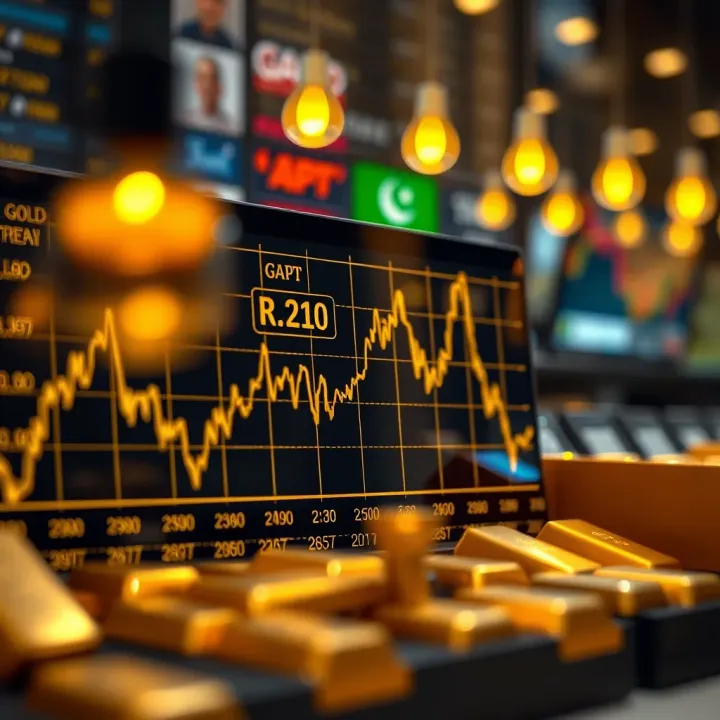
💰 Understand 30 rates gold in Pakistan: factors shaping prices, how to buy smartly, and tips for investors to make informed gold market decisions. 📈
Based on 8 reviews