
Today's Gold Price Forecast in Pakistan
📈 Check today's gold price forecast in Pakistan! Learn how economic trends, local events, and technical analysis impact your gold investments. 💰
Edited By
Laura Mitchell
Gold has been a trusted asset and a key part of investment portfolios in Pakistan for decades. Its appeal isn’t just about tradition; it's also about how gold reacts to changing market conditions, both locally and internationally. For traders, financial analysts, investors, brokers, and educators, understanding why and how gold prices fluctuate, especially when looking ahead to tomorrow, is essential for making sound financial decisions.
In this article, we’ll break down the main factors affecting gold prices in Pakistan for the next day. We’ll explore how local market dynamics interact with global trends, the role of government policies, currency exchange rates, and other influences that can cause the price to jump or dip.
By the end, you’ll gain a clear insight into the mechanisms that drive gold pricing and practical tips to stay ahead of the curve. Whether you're actively trading or advising clients, knowing what’s behind the numbers tomorrow can make all the difference.
Understanding tomorrow’s gold price isn't about crystal balls; it’s about recognizing patterns and factors that push prices one way or another. This isn’t guesswork — it's informed decision-making based on concrete data and trends.
Let’s dive into the essential elements shaping gold prices in Pakistan so you can navigate this ever-changing market with confidence.
Understanding how gold prices are set in Pakistan is fundamental for anyone involved in trading, investing, or simply buying gold. The local gold price doesn’t just depend on global market rates; it reflects a mix of domestic factors like supply and demand, the role of jewelry makers and retailers, and government policies including taxes and regulations. Recognizing these elements helps traders and investors anticipate price movements and make more informed decisions.
Local demand and supply are major players in shaping Pakistan's gold prices. Demand usually spikes around wedding seasons and religious festivals like Eid, when buying gold jewelry becomes a cultural norm. On the supply side, sources include domestic goldsmiths recirculating old gold and importers bringing in fresh bullion. When demand outpaces supply, prices tend to rise, and vice versa. For example, if a monsoon delays weddings, demand could temporarily dip, causing a slight fall in gold rates.
Pakistan’s jewelry industry holds significant sway on gold prices due to its role as the primary buyer and seller of gold. Retailers add their margins, and fluctuations in their buying patterns can impact prices. For instance, when retailers anticipate a surge in sales, they might stockpile gold, pushing prices upward. Conversely, if retailers are slow to clear inventory, prices may stabilize or dip. This dynamic means that closely watching the activity in jewelry markets can give clues on short-term price changes.
Import duties and taxes heavily affect the retail price of gold in Pakistan. Since most gold is imported, any increase in customs duty or additional taxes directly hikes the cost. For example, in recent years, when import duties on gold rose from 1% to over 4%, retail prices reflected that in noticeable increments. Traders and investors should pay close attention to budget announcements and policy shifts because these can instantly alter the gold price landscape.
Pakistan’s gold market operates under regulatory oversight that aims to prevent malpractice and ensure transparency. The Pakistan Mercantile Exchange (PMEX) regulates gold futures trading, adding a layer of price discovery based on market forces. However, strict regulations around gold import documentation and anti-money laundering rules can sometimes constrain supply temporarily, affecting pricing. Keeping an eye on regulatory changes provides a better sense of market stability and any potential disruptions.
Knowing how domestic factors and government policies interact with global trends is key for anyone looking to navigate Pakistan’s gold market successfully. Staying informed and observing these local dynamics offers practical advantages when predicting tomorrow's gold price.
Understanding what moves the gold price one day ahead might seem a bit like trying to catch a greased pig, but it's not impossible. For traders, investors, and analysts in Pakistan, keeping an eye on specific factors helps make smarter decisions and manage risks better. These factors range from global supply chains to local currency shifts, each playing a role in how gold is priced.
Gold's price is very sensitive to changes in its supply and demand globally. If, say, top consumers like India or China suddenly boost buying because of festivals or wedding seasons, demand shoots up, pushing prices higher. Conversely, if mining companies, like Newmont or Barrick Gold, find new reserves or increase output, supply climbs, putting downward pressure on rates.
For Pakistan, which largely relies on imported gold, these global shifts can trickle down quickly. If global demand rises sharply, prices may spike here too, making it important for buyers and sellers in Pakistan to watch international market news.
Countries like China, Australia, Russia, and South Africa dominate gold production. Changes in their mining output, political stability, or export policies can create ripple effects on world prices. For instance, a strike in South African mines or export restrictions from Russia due to sanctions can tighten supply, raising prices globally.
Understanding these dynamics helps traders in Pakistan anticipate price moves. For example, if news breaks of a disruption in China's gold sector, immediate price impact might be seen in Pakistan's markets within hours.
Since gold internationally trades in US dollars, fluctuations in the PKR-USD exchange impact local gold prices. A drop in the Pakistani Rupee means importing gold becomes costlier, pushing gold rates up domestically. On the flip side, a stronger Rupee against the dollar usually softens gold prices in Pakistan.
Traders should keep tabs on forex trends and central bank policies because even slight rupee depreciation can add 1-2% to gold prices overnight.
When inflation runs high, it erodes money’s purchasing power, pushing investors toward assets like gold, seen as a hedge. Producers might also raise gold prices in response to increased operational costs. In Pakistan, rising inflation often coincides with climbing gold rates as more people buy gold to protect their savings.
Investors should remember, inflation can create a domino effect: it drives demand up, costs rise, and gold prices typically follow suit.
Pakistan’s proximity to geopolitical hotspots means regional turmoil—like border tensions or trade embargoes—can cause sudden gold price jumps as investors seek safe havens. For example, any flare-up between Pakistan and neighboring countries might prompt an immediate surge in gold buying locally.
Keeping track of regional news is essential for anyone dealing with gold prices in Pakistan, as instability tends to increase volatility.
Gold often shines brightest when economies stumble. Global crises, like recessions or financial crashes, drive people toward gold for safety. Indicators such as unemployment rates, stock market dips, or even announcements from organizations like the IMF can affect gold prices.
Pakistan’s market reacts to these signals, as traders anticipating worldwide turbulence may preemptively adjust their positions. For instance, during recent global economic shocks, Pakistan's gold market saw swift price movements reflecting broader concerns.
Gold prices don't just react to local events; they echo every twist and turn of global finance and politics, especially for countries like Pakistan that lean heavily on imports.
In summary, to get a read on tomorrow's gold price in Pakistan, one cannot ignore international trends, currency fluctuations, inflation forecasts, and geopolitical shifts. Staying plugged into these areas offers a clearer picture and can turn a volatile market into an informed playground for savvy traders.
Staying ahead with reliable updates on tomorrow's gold prices in Pakistan is no small matter, especially for traders, investors, and anyone keeping an eye on the market. Timely and accurate information lets you make smarter decisions, whether you're buying, selling, or just monitoring trends. Without trustworthy sources, you're basically flying blind and taking unnecessary risks.
Reliable info helps avoid wasted money or missed opportunities, especially when gold prices can swing quickly due to local and international influences. For example, a sudden drop in the Pakistani Rupee or a shift in global gold demand can cause prices to move unexpectedly overnight. Having the right updates means you can act promptly instead of reacting with a delay.
Official market rates
Official gold rates are the backbone for anyone serious about tracking prices. These rates usually come from Pakistan's major bullion markets or government-authorized entities. They give the baseline price, reflecting the latest local demand, supply, taxes, and import duties. Because these rates are updated regularly and are widely respected, they serve as a solid reference point to compare against offers from dealers or other sources.
For instance, Karachi's Sarafa Bazaar or Lahore's gold markets publish daily rates that traders trust because these prices reflect real gold movements within the country. Checking these official rates daily helps avoid overpaying or selling gold below market standards.
Verified financial news portals
Besides official rates, verified financial news platforms are incredibly useful for real-time market insights. Websites like Business Recorder, Daily Pakistan, and Bloomberg’s Pakistan section provide updated data, analysis, and expert opinions. These portals often track both local and global markets, helping paint a fuller picture.
Using these sources allows you to understand why prices move—be it due to geopolitical tensions, currency fluctuations, or government policy changes. Plus, verified portals sift through rumors and hype to give you actual market facts. If you were to rely on random social media posts or unverified blogs, you might hit a dead end or act on misleading information.
In today’s fast-paced market, mobile apps make staying updated a breeze. Apps like Gold Price Pakistan, Kitco, or Investing.com’s gold section provide push notifications, so you get instant info on price changes or major market news. These alerts are great for traders who can’t constantly stare at the screen but still need to react fast.
Most apps allow you to customize alerts based on price thresholds, so if gold crosses a specific value, you get a nudge immediately. For example, if you want notifications every time gold price crosses 125,000 PKR per 10 grams, apps can handle that with ease.
Online calculators are super handy when you want to translate the rate into actual cost based on weight and purity. Pakistan’s gold market offers various purity standards like 22 karat or 24 karat gold; knowing the exact price for your specific type saves you time and guessing.
By inputting current official rates and weight, these calculators factor in local taxes and making charges giving you a near accurate price to expect from sellers or buyers. This kind of tool removes much of the guesswork and helps both casual buyers and serious investors get clarity upfront.
Staying on top of tomorrow's gold price means combining trustable sources with smart technology. This combo is your best bet to dodge surprises and make informed choices in Pakistan's often volatile gold market.
Keeping an eye on tomorrow’s gold price in Pakistan isn’t just a trivial habit; it's a practical move for anyone involved in buying or selling gold. Prices can swing due to a host of factors — from shifts in global markets to local economic changes — and staying informed helps avoid rash decisions that can lead to losses or missed opportunities. For instance, a jeweler might plan fresh stock purchases based on anticipated price dips, while investors may time their sales to capitalize on expected surges.
Being ahead of the curve means you can make smarter moves, whether you’re looking to maximize profits or protect your investments. The gold market in Pakistan is especially sensitive to currency fluctuations and import changes, so regular tracking helps buyers and sellers gauge the right moment to act.
Bargain hunters and strategic investors often wait for price drops to buy gold, a tactic that can lead to significant savings. For example, if market analysis suggests that the Pakistani rupee is likely to strengthen against the US dollar tomorrow, the local gold price might drop since gold is priced mostly in dollars. Buyers who spot this trend early can buy at a lower rate, boosting their returns if prices rebound later. Always watching for these price dips allows buyers not just to buy cheaper gold but also to build inventory cost-effectively for future sales.
On the flip side, when gold prices are expected to spike, sellers can seize the moment to lock in higher profits. Imagine a period of heightened geopolitical tension causing global gold prices to climb sharply. Sellers who delay decisions during such surges might miss peak prices, cutting into potential gains. Conversely, buyers might regret buying gold just before a price drop. Monitoring price trends carefully means you avoid buying high or selling low — basic, but vital advice for anyone trading gold.
Gold is often seen as a safe harbor during inflationary times — a fact that rings especially true in Pakistan’s fluctuating economic environment. By keeping tabs on tomorrow’s gold price, investors can decide when it's best to add gold to their portfolios as a hedge against inflation. For example, if inflation indicators predict rising consumer prices, increasing gold holdings before a price rise helps protect purchasing power. This is a tactic many local investors use to balance risk and maintain the value of their assets over time.
Gold provides diversification by behaving differently than traditional stocks or bonds. Knowing tomorrow’s price allows investors to adjust their portfolios dynamically rather than sticking to rigid plans. Say an investor notices a falling trend in the equity market but stable or rising gold prices — using this information, they might shift assets toward gold to stabilize returns. This kind of timely rebalancing, guided by accurate price predictions, is key to effective portfolio management, especially in a volatile market like Pakistan’s.
Monitoring tomorrow’s gold price isn’t just for day traders; it’s a fundamental step for anyone serious about managing investment risks and optimizing returns in Pakistan’s dynamic gold market.
Global events shape Pakistan's gold market in ways that often sneak past everyday conversation but have a real impact on prices at the counter. Understanding these influences is key for investors or traders aiming to anticipate price movements reasonably well, rather than just guessing.
Take, for instance, the ripple effects of shifts in gold reserves kept by central banks worldwide. When a big player like the US Federal Reserve announces selling part of its gold reserves, it often triggers a chain reaction—a slight drop in international prices that trickles down to local markets in Karachi or Lahore. For someone looking to buy gold tomorrow, keeping tabs on such news can mean the difference between walking away with a good deal or paying a premium.
Equally important are changes in commodity trade regulations internationally. For example, if a major exporting country tightens its export policies or increases levies, the cost to importers like Pakistani wholesalers escalates, pushing retail prices upwards. These trade rule shifts aren't always headline news here but they matter a lot when time to purchase rolls around.
Countries hold gold reserves as a buffer against economic instability. When reserve managers adjust their holdings, it doesn't just stay on their books; it hits global supply. A notable release of reserves into the market increases supply and typically softens prices. Conversely, reserves hoarding leads to scarcity, lifting prices globally.
Pakistan, reliant on gold imports, feels these shifts acutely. If international supply tightens, importers face tougher conditions acquiring gold, often passing costs down to consumers. Monitoring announcements from major reserve holders like China or Russia can provide early clues about tomorrow's price trends in Pakistan’s market.
Trade regulations influence how freely gold can move across borders. Recent tariff changes or stricter export controls can raise the cost of gold reaching markets in Pakistan, squeezing profit margins or raising purchase prices. For instance, if India, a nearby gold refining hub, imposes additional export duties, Pakistani dealers might find prices jumping unexpectedly.
As regulations evolve, importers must adjust logistics, rewriting contracts or sourcing differently, which can delay availability and inflate costs. Consequently, Pakistani buyers might see a price bump that seems unrelated to global gold prices but is actually rooted in trade compliance.
Getting gold from international ports to Pakistan isn’t just a matter of paying for the metal. Shipping charges, insurance, and warehousing add layers of cost. Recent fuel price spikes or new maritime regulations can raise shipping fees, meaning importers pay more to get gold to Karachi's ports.
For example, if container rates increase by 10% overnight due to fuel price hikes, those extra charges ultimately trickle down to the buyer. Traders should watch global logistics trends alongside gold price movements for a fuller picture.
Importing gold also involves customs duties, documentation fees, and procedural delays. Any changes in Pakistan’s import duty structure or more stringent customs checks can slow shipments and inflate costs.
Say the government introduces new standards that require updated certifications or increased inspection times; the delay itself may increase holding costs for dealers, pushing prices higher. Staying updated on customs policies helps traders anticipate these bumps before they show up in retail rates.
The interplay of global gold reserves, trade policies, shipping costs, and customs charges forms a complex web that directly impacts how much Pakistanis pay for gold tomorrow. Keeping an eye on these global elements means better-informed buying or selling decisions, avoiding the common trap of reacting too late to price surges.
In short, global events are not distant stories but active background players in Pakistan’s gold pricing, blending economics, politics, and logistics into everyday market realities.
When it comes to forecasting gold prices in Pakistan, many fall into the trap of believing in common myths that oversimplify or distort the realities of the market. Understanding these myths is key for traders and investors alike, as relying on incorrect assumptions can lead to poor decision-making and financial losses. This section peels back the layers on some widely held but mistaken ideas about gold pricing, encouraging a more grounded and data-driven approach.
Technical analysis, often touted as a magic bullet for predicting market movements, has its limits—especially in the gold market. It uses past price and volume data to forecast future trends, but it can't account for unpredictable factors like sudden geopolitical tensions or unexpected government policy changes. For example, a textbook technical signal might suggest a bullish trend, but if a key gold-importing country faces sudden export restrictions, those signals quickly lose their predictive power. So, while technical analysis offers valuable insights, relying on it without considering wider economic and political contexts is like navigating with a partial map—useful but incomplete.
Another common worry is that gold prices are easily manipulated by large players or cartels. While the market can indeed be influenced by large trades or sudden buying/selling sprees, outright manipulation is harder than it sounds due to regulatory oversight and the sheer scale of the international gold market. However, traders should remain cautious about rumors of manipulation that often surface during volatile periods. For example, sudden price spikes in Pakistan’s gold market can sometimes be attributed to speculative behavior rather than genuine supply-demand shifts. Recognizing when price swings are driven by fundamentals versus manipulation attempts can save investors from chasing false signals or panic selling.
Rumors and hype can send gold prices on a rollercoaster ride. In Pakistan, word-of-mouth or social media-driven buzz about gold shortages or government policy changes can create sudden surges or dips in demand. For instance, a false rumor about new import taxes might cause buyers to rush to purchase gold immediately, pushing prices higher temporarily. While speculation isn't inherently bad, it adds noise and uncertainty. Savvy investors learn to spot the difference between hype-driven price moves and those backed by real supply or economic shifts.
At the heart of price prediction lies hard economic data—currency rates, inflation figures, trade balances—that tell the real story. In Pakistan, fluctuations in the Pakistani Rupee against the US Dollar directly affect the cost of imported gold, influencing local prices significantly. Inflation, too, impacts gold’s attraction as a hedge. Ignoring these fundamentals in favor of guesswork or rumors is like trying to read the weather without looking at temperature or wind data. For example, rising inflation in Pakistan historically boosts gold demand as people seek to protect wealth, which in turn pushes prices up. Keeping an eye on such economic indicators provides a more reliable foundation for anticipating gold price movements.
Understanding these myths and distinguishing between speculation and fundamentals can help you navigate the gold market with clearer eyes and fewer costly mistakes.
Mastering the balance between market indicators, speculation, and real economic data can make all the difference for those aiming to predict tomorrow’s gold rate in Pakistan with some degree of confidence. Rather than chasing every hype or chart pattern, a disciplined, informed approach anchored in factual information serves investors best over time.
Buying gold is not just about picking the prettiest piece or the biggest bar; it demands a fair bit of savvy and care. In Pakistan, where gold holds both cultural significance and investment value, knowing the ropes can save you from costly mistakes. This section sheds light on how to approach gold buying with a practical mindset—helping traders, investors, and even casual buyers make choices that stand the test of time and market fluctuations.
When thinking about physical gold, you typically deal with jewelry and bars. Jewelry is often the go-to choice because it blends investment with tradition. But it usually costs more per gram because of craftsmanship, designs, and making charges. Say you buy a gold necklace worth 10 grams; a few grams might be just the cost of artistry and not the metal itself.
On the flip side, gold bars and coins generally have lower premiums, making them better for pure investing. Banks and authorized dealers in Pakistan commonly offer 10-gram, 50-gram, or 100-gram bars. The catch? Bars need proper storage and security, which can add to your costs.
Finally, physical gold’s value can shift daily with international prices, but local demand and purity standards also play a big role.
Digital gold schemes and gold savings accounts are gaining ground in Pakistan. Products like 'NBP Digital Gold' or 'HBL iGold' allow you to buy gold without physically holding it. These schemes track the real-time price of gold and let you buy or redeem in small quantities through apps.
The practical benefit here is obvious—no worries about storage or purity checks at the point of sale. But watch out for service fees and lock-in periods. Also, the resale might depend on the service provider’s policies, unlike cashing out physical gold, which you can do at nearly any jeweler.
These digital options open ways for regular, smaller investments—ideal for those gradually building a gold portfolio.
In Pakistan, a quick way to dodge scams is to stick with well-known jewelers or banks. Names like Haideri Gold, Chalo Gold, or Habib Bank Limited are spread across major cities and offer a good reputation for authenticity.
Always ask for proper invoices and certificates of authenticity. Check customer reviews and ask locals; word of mouth goes a long way here. Remember, a suspiciously low price often signals a scam.
Hallmarking is your safety net against fake gold. In Pakistan, the Pakistan Standards and Quality Control Authority (PSQCA) regulates hallmarking.
A hallmark typically includes the purity level (e.g., 22k, 18k), the assay office symbol, and the jeweler's mark. When you’re buying gold, especially jewelry, insist on a hallmark. This confirms that the piece meets the stated purity standards, helping you avoid short-weight or impure gold that can cost you dearly in the long run.
Always verify the hallmark and match it with PSQCA standards before making a purchase. This simple step can save you a lot of hassle and financial loss down the road.
By keeping these practical tips in mind, buyers in Pakistan can confidently navigate the gold market, sidestepping common pitfalls and making sure their investments count.
Gold prices in Pakistan often dance to the rhythm of the seasons. Recognizing how seasonal trends alter gold demand and prices helps traders and investors fine-tune their timing and minimize surprises. Let’s break down the main seasons impacting gold prices and what they mean in practical terms.
Wedding season influence: Weddings in Pakistan are a big deal and usually involve a hefty display of gold jewelry, making this season a massive driver of demand. From spring to early summer in most regions, families rush to buy gold for bridal trousseaus, gifts, and investment. This surge in gold buying often nudges prices upward as jewelers stock up, anticipating increased sales. For investors, understanding this pattern means noticing potential price spikes before the season fully kicks in — buying earlier could save money than purchasing on peak wedding days.
Religious festivals impact: Eid-ul-Fitr and Eid-ul-Adha also boost gold demand significantly. These festivals are traditionally times when people exchange gifts or invest in gold as a symbol of prosperity. This seasonal surge can slightly push prices higher due to increased consumer interest, especially in the lead-up weeks. Traders should keep an eye on gold price trends starting a few weeks before these festivals to spot possible gains or strategic buying windows.
During these peak demand seasons, gold market liquidity improves, but prices often react to increased buying pressure. Timing, therefore, becomes even more important.
Off-season trends: Outside of weddings and festivals, gold purchases tend to drop, causing market slowdowns. For example, late summer and early winter see relatively subdued gold demand as people focus less on buying gold and more on other expenses. This dip in demand can lead to price corrections or even discounts as jewelers try moving inventory. Investors looking for a bargain might find off-season periods handy for entering the market without paying a premium.
Year-end market behaviors: As the year wraps up, gold prices often show unique behavior. Some sellers offload gold to balance their books, creating occasional price dips, while others buy gold as a hedge against upcoming year inflation. This combination causes small volatility but also presents sharp opportunities for skilled analysts to anticipate short-term price movements. Watching the last quarter closely, especially November and December, can reveal strategic entry or exit points.
In summary, knowing how seasonal patterns influence gold prices in Pakistan isn’t just trivia — it’s a practical lens for anyone serious about trading or investing in gold here. Buyers and sellers gain an edge by syncing their actions with these predictable demand waves rather than reacting blindly to daily price swings.
📈 Check today's gold price forecast in Pakistan! Learn how economic trends, local events, and technical analysis impact your gold investments. 💰
📈 Get the latest XRP price prediction for tomorrow with key factors and expert insights. Perfect for Pakistan traders aiming to make informed decisions.
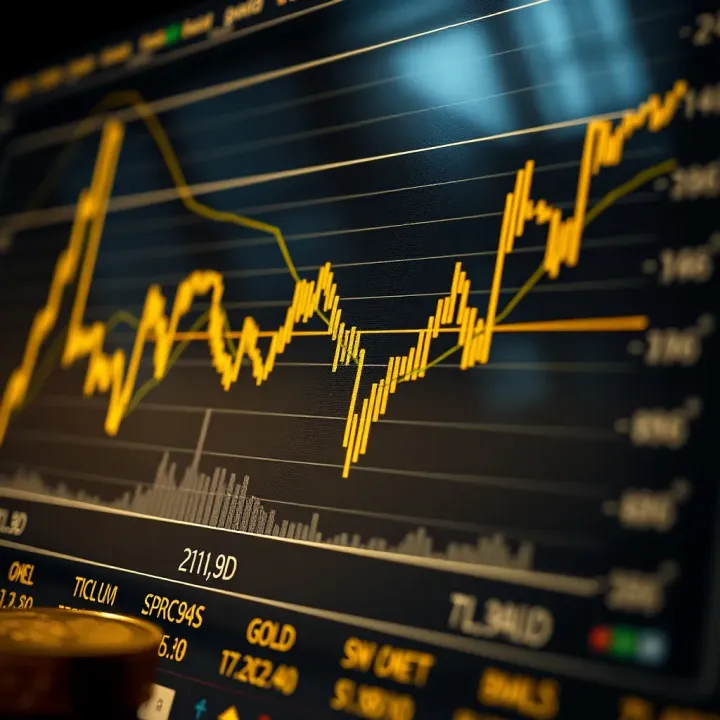
📈 Dive into XAU/USD analysis today! Explore gold price trends, key factors, and expert tips for traders in Pakistan to navigate the market confidently.
💰 Explore the XAUUSD forecast with fresh insights on gold price trends, economic & geopolitical factors shaping the market for Pakistani traders 🇵🇰📈
Based on 15 reviews