
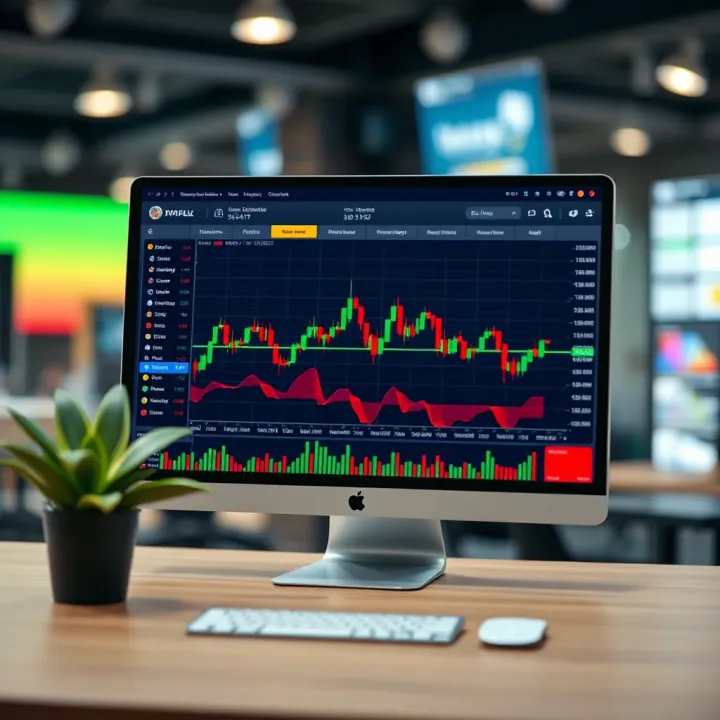
Best Trading Platforms for Beginners in Pakistan
Ready to start trading in Pakistan? Discover how to choose the best beginner-friendly trading platform, compare top options, and learn smart trading tips 📈🇵🇰
Edited By
Charlotte Evans
Trading might seem like a tough nut to crack, but it’s really about understanding markets and making informed decisions. Whether you want to buy shares on the Pakistan Stock Exchange (PSX) or try your hand at forex or commodities trading through local platforms, the basics remain the same. This guide is designed to help you navigate these waters smoothly.
You do not need a finance degree to start trading; many successful traders begin with just an interest and some practical knowledge. The key is to learn step-by-step, focus on gaining essential skills, and manage risk smartly. For example, knowing how to read price charts or monitor economic news from the State Bank of Pakistan (SBP) can make a real difference in your trading outcomes.
Start with a clear plan — don’t jump into trading with your hard-earned savings all at once. Many beginners make the mistake of chasing quick profits, but it often leads to losses. Instead, begin with a small amount and use demo accounts offered by Pakistani brokers like HBL Securities or JS Global for practice.
Successful trading in Pakistan involves patience, discipline, and the right tools, such as trustworthy trading platforms and up-to-date market data.
This article will walk you through the groundwork: from understanding different types of trading and learning essential technical skills, to practical steps for opening accounts, and managing risks effectively. We will also cover local resources, which can be a great help in your trading journey.
By focusing on practical, realistic advice, you can build confidence and develop a disciplined approach suited to Pakistan's unique market conditions. So, let’s get started with trading basics and see how you can begin this journey smartly and safely.
Grasping the basics of trading is the first step for anyone aiming to enter financial markets confidently. Without this foundation, it's easy to get overwhelmed by jargon or misinterpret market signals. Understanding what trading involves helps you spot opportunities and manage risks wisely. For example, knowing how market orders work or what influences price movements prevents costly mistakes when buying or selling assets.
Trading means buying and selling financial instruments to profit from price changes. These instruments include stocks, currencies, commodities, and digital assets. Unlike investing, which holds assets for the long term, trading is often shorter-term and requires active decision-making. A trader observes market trends, economic indicators, and company news, then decides when to enter or exit a position. It is not gambling; rather, it's based on analysis and strategy.
Stock trading focuses on buying shares of companies listed on stock exchanges like the Pakistan Stock Exchange (PSX). Traders aim to profit from price fluctuations caused by company performance, sector trends, or economic policies. It’s practical for beginners because of the availability of market information and regulatory oversight. For example, if Pakistan’s telecom sector reports better earnings, a trader might buy stocks of companies like Jazz or Telenor expecting their value to rise.
Forex trading involves exchanging one currency for another, capitalising on exchange rate movements. The forex market is the largest and most liquid, operating 24 hours globally. This suits traders looking for flexible hours and high leverage, though it carries significant risk. In Pakistan, forex trading lets you speculate on PKR versus USD, EUR, or JPY pairs. Economic events like SBP’s interest rate decisions or trade deficits directly impact forex prices.
Commodities like oil, gold, wheat, and cotton are traded based on supply and demand factors. Pakistan’s economy is sensitive to these commodities, making this trading type relevant. For instance, a rise in international oil prices can affect fuel costs locally, influencing commodity prices further. Traders monitor crop reports, geopolitical tensions, and weather patterns to anticipate price movements.
Crypto trading deals with digital currencies such as Bitcoin and Ethereum. This market is fairly new and highly volatile but attractive for those seeking quick returns. Given limited crypto regulation in Pakistan, traders must be cautious and use PTA-approved platforms to stay secure. Cryptocurrency prices often react to global tech developments and regulatory news, creating fast trading opportunities that require constant monitoring.
Bull Market: A period when prices generally rise.
Bear Market: When prices tend to fall.
Volume: The number of shares or contracts traded in a given timeframe.
Bid and Ask Price: Bid is the price buyers offer, and ask is what sellers want.
Leverage: Using borrowed funds to increase potential returns, common in forex.
Stop Loss: An order to sell a security to limit losses.
Pip: A measure of price change in forex, usually the smallest increment.
Knowing these terms lets you understand market discussions and trading platforms better, making your decision-making sharper.
Understanding these basics creates a strong platform for more advanced trading skills and strategies that we will cover later. This approach helps you treat trading as a skill to develop rather than a gamble on chance.
Developing essential trading skills is the backbone of becoming a confident and successful trader. Without proper skills, even the best market opportunities can slip away, resulting in losses or missed gains. For traders in Pakistan, mastering these skills helps navigate not only global market behaviour but also local nuances such as volatility driven by geopolitical events or economic policies.
Technical analysis involves studying past market data, primarily price and volume, to forecast future price movements. Traders use charts and indicators such as moving averages, RSI (Relative Strength Index), and MACD (Moving Average Convergence Divergence) to identify patterns and trends. For example, a trader observing a persistent upward trend in the PSX's KSE-100 index might look for a pullback as an entry point, using technical tools to time their purchase.
On the other hand, fundamental analysis focuses on understanding the intrinsic value of an asset by examining economic indicators, financial statements, and overall market conditions. When analysing a Pakistani company, a trader might study its quarterly profit and loss statements, dividend history, management quality, and government policies impacting the sector. Similarly, currency traders look at interest rate decisions by the State Bank of Pakistan (SBP), trade balances, and political stability to predict forex movements.
Recognising price movements and trends helps traders make informed decisions about when to enter or exit trades. Price moves in waves, characterised by uptrends, downtrends, and sideways movements. Being able to spot a trend early, such as a rising trend in the value of a commodity like wheat futures due to supply concerns in Pakistan, allows a trader to capitalise on sustained price changes. Trend reversals are equally important—missing the signs can result in losses when a strong uptrend suddenly turns bearish.
Trading without emotional control is like steering a rickshaw on an unpredictable road with eyes closed. Fear and greed often lead to impulsive decisions like overtrading or holding losing positions for too long. Developing discipline means setting clear rules—for instance, sticking to a stop-loss limit or not increasing trade size after losses. Keeping a trading journal to record decisions and emotions can help analyse mistakes and prevent repeating them. Good discipline ensures you trade consistently and avoid costly emotional mistakes.
Mastering these skills takes time and practice, but they form the foundation for steady progress in trading. Skilled traders focus as much on developing their mindset as on analysing markets.
Beginning your trading journey with clear, practical steps sets a strong foundation and avoids common pitfalls. This phase shapes how confidently and effectively you can navigate the markets, especially in Pakistan where brokers, platforms, and regulations differ from global markets. It’s about making informed choices that suit your goals and legal frameworks.
Selecting the right broker is the first essential step. Brokers serve as your link to the market, so you must check their credibility, fees, customer service, and available products. In Pakistan, brokers need SECP (Securities and Exchange Commission of Pakistan) approval and affiliation with the PSX (Pakistan Stock Exchange) if you’re trading local equities. International brokers offering forex or crypto might follow different rules but still require PTA-approved licensing. For example, a beginner might compare MCB Arif Habib Savings and Al Meezan for equity services or opt for IG Markets for forex.
Brokerages in Pakistan offer various account types such as individual, joint, or corporate accounts. Individual accounts are most common for beginners. Account minimums vary—from zero to Rs 10,000 or more—depending on the broker and asset class. Some brokers may offer special accounts for NRPs (Non-Resident Pakistanis). Choosing your account type depends on your capital and investment plans. For instance, if you plan to trade stocks frequently, a margin account might be better, while a cash account suits long-term investors.
To comply with regulations, brokers require proper verification. Typically, you need to submit your CNIC (Computerised National Identity Card), proof of address, and sometimes income or tax details. This step helps prevent fraud and meets anti-money laundering rules enforced by SECP and FBR. Verification usually happens through in-person visits at brokerage offices or online e-KYC (Know Your Customer) processes, which have become popular with pandemic restrictions.
The platform is where you will carry out trades, analyse charts, and monitor markets. Look for platforms with user-friendly interfaces, real-time data, and essential tools like charting, indicators, and order types (market, limit, stop). Stability and speed are crucial to avoid slippage and missed opportunities. Also, check if the platform supports your desired asset class (stocks, forex, crypto) and mobile access for trading on the go.
Among local traders, platforms like PSX’s web portal and advanced trading terminals like MetaTrader 4/5 are common, especially for forex and CFDs. For stocks, many brokers offer proprietary apps or web platforms, e.g., HBL Invest or MCB Wealth. Crypto traders might use international apps like Binance or local exchanges like BitEx. The choice depends on your trading style and asset preference—if you want straightforward stock orders, a simple, local platform might work best.
A demo account allows you to get comfortable with trading without risking real money. With virtual funds, you can explore order types, develop strategies, and test market reactions. Demo accounts are vital for beginners to build confidence and understand market mechanics before moving to live trading. Nearly every reputable broker in Pakistan offers demo accounts—try them extensively before committing your capital.
Starting your trading carefully by setting up accounts correctly, choosing the right platforms, and practising beforehand lays the groundwork for smarter decisions and better risk control in real markets.
Risk management is essential for anyone involved in trading, especially beginners in Pakistan navigating volatile markets. It helps protect your capital from sudden losses and keeps your trading sustainable over time. Without managing risks properly, even a few bad trades can wipe out your investment and shake your confidence.
Stop-loss and take-profit orders are fundamental tools to manage risk automatically. A stop-loss order closes a trade once the price moves against you by a set amount, limiting losses. For example, if you buy a stock at Rs 100 but set a stop-loss at Rs 95, your trade exits if the price falls to Rs 95, capping your loss to Rs 5 per share.
Similarly, a take-profit order locks in gains by selling the asset when it reaches a target price. This helps you avoid the temptation of holding on too long and risking profits. Suppose you expect the price to hit Rs 110; setting a take-profit there will automatically sell your position to secure Rs 10 profit.
Using these orders means you’re not glued to the screen, and emotions won’t force you into bad decisions. Most Pakistani brokers and trading platforms, like those linked with PSX or forex brokers, offer easy ways to set these.
Choosing the right trade size is crucial to stay within your risk limits. Never risk too much of your trading capital on a single trade. A common rule is to risk only 1-2% of your total capital per trade. For instance, if you have Rs 100,000 in your account, risking Rs 1,000 to Rs 2,000 per trade can help absorb losses without hurting your overall balance.
By calculating your stop-loss distance and adjusting trade size accordingly, you maintain a steady risk level. This means even if you face several losses, your account won’t be obliterated. Many Pakistani traders use risk calculators or spreadsheet templates to figure out trade sizes quickly.
Besides stop losses and trade sizing, it's wise to watch out for common pitfalls:
Overtrading: Jumping into too many trades increases exposure and emotional stress.
Ignoring Market News: Sudden policy announcements from SBP or political events can affect prices sharply.
Trading Without a Plan: Entering trades based on rumours or hunches leads to unpredictable losses.
Always stick to your strategy and review your trades regularly. For example, during Pakistan’s election seasons, markets can fluctuate wildly; it’s best to tighten risk controls or stay on the sidelines until things settle.
Good risk management often makes the difference between consistent profits and blowing up your account quickly. It's not about avoiding risk entirely but controlling it so you can trade another day.
Managing risks smartly safeguards your investments and builds the foundation for steady growth in your trading career.
Access to reliable resources and practical tools is fundamental for anyone serious about learning trading, especially in Pakistan’s evolving financial markets. They provide the foundation to build knowledge, sharpen skills, and stay updated with market movements. Whether it’s books, software, or news services, using relevant and trusted materials helps develop informed strategies and reduces costly mistakes.
Books remain a timeless way to grasp trading concepts deeply. Classics like "A Random Walk Down Wall Street" by Burton Malkiel and "Technical Analysis of the Financial Markets" by John Murphy offer solid groundwork for beginners. For Pakistan-specific perspectives, local authors and courses add value by addressing market peculiarities, such as currency fluctuations and regulatory considerations.
Online courses have grown popular due to their flexibility and interactive formats. Platforms like Coursera and Udemy feature courses tailored for beginners, ranging from stock basics to advanced technical analysis. Some Pakistani institutions also offer finance and trading courses focusing on the PSX (Pakistan Stock Exchange) and broader economic context, helping traders relate theory to local realities.
Technical analysis software is crucial for reading charts, identifying trends, and making timely trades. Applications like MetaTrader 4 (MT4) and TradingView are widely used for their user-friendly interfaces and comprehensive tools. MT4 is especially common among forex traders in Pakistan due to its broker compatibility.
Mobile apps such as the PSX official app, InvestMate, or trading features within JazzCash and Easypaisa help monitor the market on the go. These tools provide real-time quotes, indicators, and alerts, making it easier to respond quickly to changing conditions without being tied to a desktop.
Using the right software can be the difference between catching profitable trends early and missing out.
Staying informed with local financial news helps traders understand events affecting Pakistan’s markets. Sources like Business Recorder, Dawn Business, and Bloomberg Pakistan provide updates on corporate earnings, government policies, and changes in the State Bank of Pakistan (SBP) interest rates. This information aids in predicting market reactions, such as how a new tax policy might influence stock prices or rupee fluctuations.
Regularly following local financial news allows traders to track regulatory developments by the Securities and Exchange Commission of Pakistan (SECP) or the Federal Board of Revenue (FBR) that affect investment rules.
Markets do not operate in isolation. Global economic events often ripple into Pakistan’s financial space. News about oil prices, US Federal Reserve announcements, or geopolitical tensions can shift market sentiment instantly.
Platforms like Reuters, CNBC, and financial sections of major newspapers provide reliable global updates. Understanding these influences helps traders anticipate trends in forex or commodities like oil and gold, which directly impact Pakistan’s economy.
Keeping a balanced eye on both local and international news equips you to adjust your strategies beyond your immediate market, improving chances to profit and manage risks effectively.
Creating a sustainable trading routine is essential for long-term success in the markets. Trading isn’t just about making profits quickly; it’s about developing consistent habits that help you manage risks, learn continuously, and maintain emotional balance. Without a solid routine, even experienced traders can struggle with discipline and decision-making, especially in volatile markets like Pakistan’s equity or forex scenes.
A trading journal is your personal record of every trade you make. It includes entry and exit points, reasons behind each trade, emotional state, market conditions, and results. Writing these details down helps you spot patterns in your behaviour and trading strategy. For instance, you might notice you often lose money when you trade just before major announcements from the State Bank of Pakistan (SBP) or when you ignore stop-loss rules.
By reviewing your journal regularly, you get clear feedback on what works and what doesn’t. Over time, this becomes your roadmap for making smarter choices instead of guesses. Many traders in Pakistan find that keeping a journal stops them from chasing impulsive trades triggered by sudden market hype, such as hot tips in Karachi bazaar or news on cotton prices.
Trade review isn’t about focusing on losses only; it’s about analysing all outcomes objectively. After closing trades, spend time examining why you entered, exited, and how your strategy performed under current market conditions. Did your technical analysis align with actual price movement? Were your fundamentals on point, like considering the rupee’s fluctuating exchange rate? Such questions sharpen your insight.
Learning from mistakes means recognising common pitfalls like risking too much on one trade or holding onto losing positions hoping for a reversal. Pakistani traders must also consider local factors such as political events affecting market sentiment. Regular reviews build resilience and fine-tune your approach.
Patience often proves more valuable than chasing quick wins. Markets don’t always move in your favour immediately. For example, a well-researched investment in a PSX-listed company might take weeks or months to bear fruit. Impatience can push you to exit early at a loss or enter risky trades out of frustration.
Sustaining a long-term focus means setting realistic goals and sticking to your plan. It reduces emotional ups and downs and helps you weather Pakistan’s market ups and downs, like the impacts of loadshedding or regulatory changes by SECP. Remember, consistent growth usually beats occasional big wins.
A disciplined routine combining journaling, trade review, and patience turns trading from guesswork into a strategic skill. This approach keeps you grounded and prepared for the market’s twists and turns.
Establishing these practices today itself can make a significant difference in your trading journey.
Ready to start trading in Pakistan? Discover how to choose the best beginner-friendly trading platform, compare top options, and learn smart trading tips 📈🇵🇰
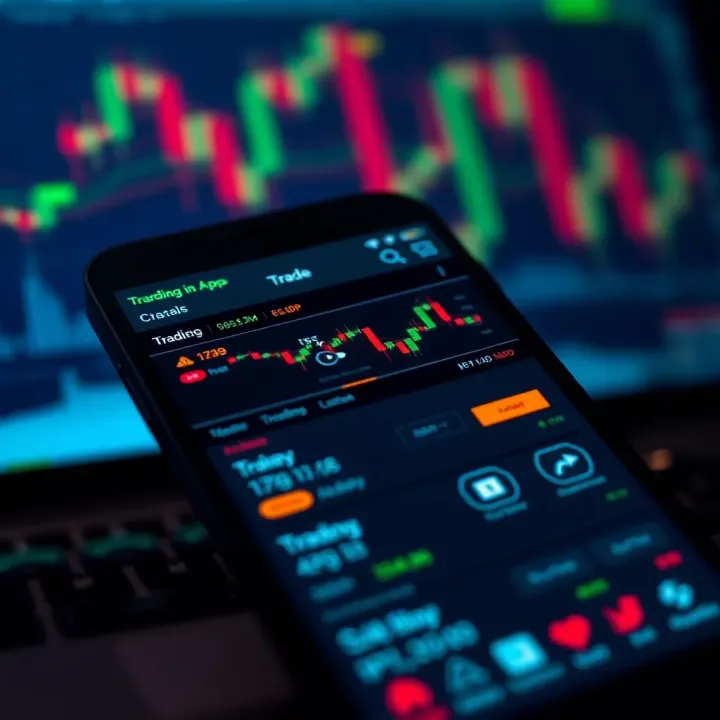
Find the best trading app for beginners in Pakistan 📱! Compare top platforms, understand key features, and get security tips for confident trading 💹.
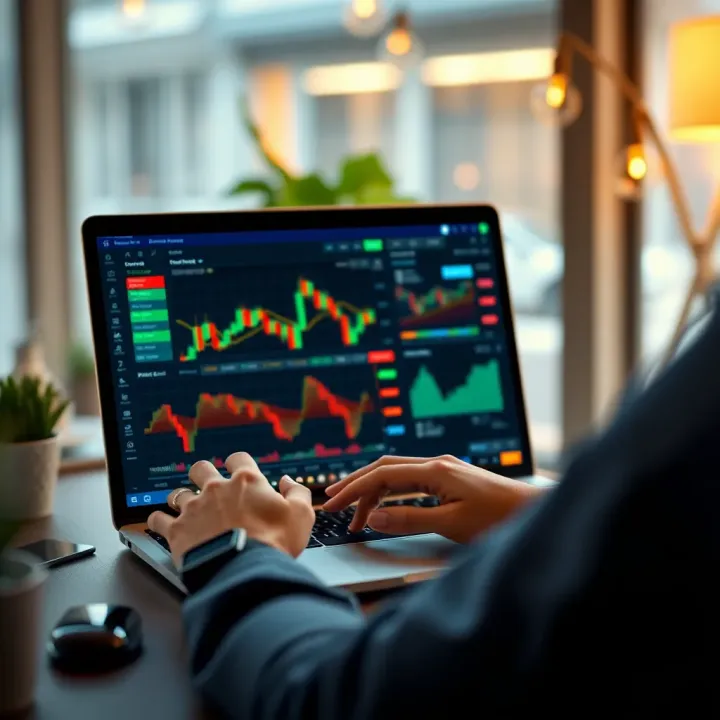
📈 Learn trading for free with our practical guide! Discover local & global tools, virtual platforms, risk management tips & Pakistan-specific resources. Start today!
Discover how to pick the best trading website in Pakistan with tips on reliability, fees, security, and support to match your trading style 📈🔒💻
Based on 10 reviews