
Top Trading Apps to Practice Without Investment
Discover trading apps in Pakistan that let you practice without real money 💡 Learn key features, pros, cons, and how they prepare beginners for live trading 🚀
Edited By
Matthew Collins
Trading apps that let you start with nothing—no upfront investment—are shaking up how people in Pakistan approach the stock market. With smartphones buzzing everywhere from Karachi to Islamabad, these zero investment trading platforms have caught the eye of many who want to dip their toes without putting money on the line first.
Why should this matter? For starters, Pakistan’s financial market is opening up to younger investors and those wary of risking capital. These apps promise a way in, bridging the gap between curiosity and actual trading.
This article breaks down what these apps really offer, the upsides and the pitfalls, and how you can figure out if they suit your investing style. Think of it as a straightforward guide to a fresh way of trading that’s gathering steam in our country.
Zero investment trading platforms aren't a freebie; they're more like a training wheel—great for learning, but not without their limits.
Moving forward, we'll look at key features, risks, and what to watch out for, all grounded in the context of Pakistan’s market and regulations.
In today's fast-paced financial world, zero investment trading apps have opened a new door for people in Pakistan who want to try their hand at trading without initially risking their own money. Understanding these apps is critical, especially for investors who are just starting out or have limited capital but want to test market waters. These platforms not only bring convenience but also a fresh approach for small investors looking to gain experience with real market conditions.
Zero investment trading apps allow users to engage in stock or forex trading without putting any of their own money upfront. Instead of depositing cash, these apps typically provide virtual credit, letting users buy and sell financial instruments as if trading with real funds. This setup is particularly appealing for novices who want to practice or for small investors cautious about risking their savings early on.
For instance, imagine a new trader in Karachi downloading an app that grants PKR 50,000 in virtual funds. He can place trades, see how his decisions would perform in actual market conditions, and learn the ropes without fear of losing real money.
Traditional trading platforms require you to fund your account with actual cash before you can buy or sell stocks or currencies. On the other hand, zero investment trading apps eliminate this entry barrier, which can be a game changer. However, this convenience also means the trades are either simulated or backed by some form of credit mechanism and not direct cash holdings.
Unlike the usual platforms where profits and losses directly affect your actual portfolio, zero investment apps often separate real risk from virtual trading, though some might allow converting virtual balance to real trades if certain conditions are met. This distinction helps beginners avoid heavy losses while still gaining crucial market insights.
Most zero investment trading apps operate by giving users virtual accounts equipped with either simulated money or credit lines approved by the app providers. These virtual accounts mirror real market conditions, updating prices based on actual exchange movements but without involving real cash transfers until the user decides to switch to a funded account.
Some apps partner with financial institutions or brokers who lend credit to traders, allowing them to open positions based on this borrowed amount. This means a trader in Lahore could effectively trade shares worth PKR 100,000 without actually depositing that amount initially, but with obligations to cover losses if the trades go south.
When trading without upfront capital, the process hinges on how the platform manages the risk of lending virtual funds. Upon executing a trade, the app places the order in the real market under its own or the user's brokerage arrangement. The user’s virtual account is updated instantly to reflect the trade’s success or failure.
If the trade yields a profit, users often have options to convert these gains into real money or continue trading with the virtual balance. In the event of losses, the impact is generally limited to the virtual account, protecting the user from real financial damage but reminding them of market risks.
It’s essential for Pakistani traders to understand that while no upfront investment reduces immediate risk, it doesn’t eliminate the learning curve and potential mistakes. These apps are best used as training grounds before committing real funds.
By grasping these basics, traders can confidently decide if zero investment trading apps are suitable for their financial goals and trading strategies within Pakistan’s market environment.
Zero investment trading apps offer a fresh angle for those wanting to dip their toes into financial markets without risking upfront capital. This approach isn't just a gimmick; it opens doors for beginners and small investors who might otherwise stay sidelined. It's especially relevant in Pakistan where access to traditional trading can be limited by costs and complex entry steps.
Trading traditionally demands a starting pot of money, which can be daunting if you’re just beginning or only have a small budget. Zero investment trading apps wipe away this barrier by letting you trade with virtual credit or demo funds. This means you don’t have to shell out your own money to start, making it a lot easier to participate. For example, an app like eToro offers demo accounts where Pakistani users can practice buying and selling shares without spending a dime. This accessibility encourages more people to get involved without worrying about immediate financial pressure.
One of the biggest hurdles new traders face is the fear of losing real money due to inexperience. Zero investment apps help by providing a risk-free environment for learning. You can try out strategies, understand market movements, and get hands-on experience without the sting of actual losses. It’s like having a rehearsal before the main performance. This practical learning reduces mistakes when you do decide to invest real funds and builds confidence step-by-step.
Almost everyone has a smartphone these days, and zero investment trading apps tap into this by offering full trading capabilities on mobile devices. This portability means you can monitor markets and execute trades anywhere — be it during your commute, lunch break, or from the comfort of your living room. For Pakistani investors balancing busy schedules, this flexibility is invaluable. Apps like Robinhood, though not widespread here yet, have set a global standard for smooth mobile trading interfaces that local apps are beginning to emulate.
These apps are designed to be beginner-friendly often involving just a few steps to register and start trading. Simplified onboarding processes cut down the hassle and waiting time common in traditional brokerage accounts. Plus, the interfaces are clean and intuitive, often designed with tutorials and help sections aimed at new users. This ease means that even someone with no prior trading background can jump right in without getting lost in complicated menus or jargon.
In short, zero investment trading apps make entering the trading world less intimidating and more approachable, which is essential for broadening market participation in Pakistan."
Zero investment trading apps can look pretty appealing, especially for folks just stepping into trading or those who don’t want to put down upfront money. But it's important to keep in mind: nothing comes fully free in finance, and these platforms have their share of pitfalls. In Pakistan’s trading scene, understanding the risks helps avoid nasty surprises and keeps your investment journey smoother.
One sneaky aspect to watch for is the hidden fees and charges these apps might sneak in. While the name ‘zero investment’ makes it sound like you’re trading with free money, many platforms actually charge commissions, service fees, or withdrawal costs that aren’t obvious at first glance. For example, some apps like EasyTrade might advertise commission-free trades but then charge you when you cash out winnings or after a certain number of transactions.
Why does this matter? Even small fees add up fast and can eat into your gains — or turn a seemingly profitable trade into a loss. It’s wise to thoroughly check the fine print for commission rates, withdrawal limits, and any inactivity fees. Also, be wary of apps that use confusing fee structures. Clarity here saves you headaches and helps you make better trading decisions.
When you’re not putting your own money down upfront, trading feels less “real” to many people. This can lead to a dangerous mindset where you trade recklessly because the immediate pain of losses seems duller. Think of it as playing with play money — it's tempting to take wild bets. But in practical terms, even virtual trades affect your real account balance or future ability to trade if the platform uses credit lending.
Such detachment from actual financial risk often drives impulsive decisions, leading to rapid losses. New traders in Pakistan should remind themselves that these apps aren’t casinos, even if the setup feels similar. Discipline matters more than ever to avoid falling into a pit of overtrading.
Another risk is that some zero investment trading apps allow you to trade on margin or use borrowed funds without clear limits. This can create unchecked financial exposure — basically, you might end up owing more than you initially thought possible. For instance, if the app extends credit for trades and the market moves sharply against you, losses can spiral beyond the deposit or initial balance.
Pakistani investors need to be cautious by checking the terms of credit or margin trading closely and using risk management tools like stop-loss orders. Without such controls, it’s quite easy to quickly rack up losses that are hard to recover from, especially in volatile markets like Forex or cryptos.
Zero investment doesn’t mean zero risk. Understanding the hidden costs and psychological traps helps keep your trading plan realistic and your money safe.
By being aware of these risks, traders can take steps to protect themselves — like reading all fees carefully, limiting trade size, and practicing proper risk management. Remember, in trading, a cautious approach beats chasing quick wins any day.
Understanding the legal landscape surrounding zero investment trading apps in Pakistan is more than just a formality—it's vital for staying on the right track and avoiding unnecessary trouble. The financial market here has its own set of rules and watchdogs, mainly tasked with keeping investors safe and ensuring fair play. Without this knowledge, users might end up caught in scams or using platforms that don't hold up under Pakistani laws.
This section will dig into how regulatory bodies like the Securities and Exchange Commission of Pakistan (SECP) monitor these apps, what licensing is mandatory, and the kinds of protections put in place to shield traders from fraud. Having these insights helps investors choose platforms that are transparent and reputable rather than blindly jumping on the "free money" bandwagon.
The SECP is the main regulatory body overseeing financial markets in Pakistan. Think of it as the referee in a cricket match, ensuring everyone plays fair. When it comes to zero investment trading apps, the SECP’s role involves reviewing if these platforms comply with local securities laws and whether they’re authorized to operate. For example, the SECP requires these apps to register officially, confirming they meet operational standards to protect investors.
This means before you download and start trading on any app, check if the SECP has licensed it. That licensing is a stamp saying, "This platform is accountable to Pakistani laws." Without it, you’re rolling the dice without a safety net.
Compliance in Pakistan isn't just ticking boxes; it demands specific actions like anti-money laundering checks, transparent reporting to the SECP, and safeguarding users' funds. For zero investment trading apps, they must ensure their business models don’t violate financial regulations, such as those against unlicensed brokerage or offering illegal credit.
Licensing serves as a green light. It requires these apps to provide clear information about how they function, what fees might apply, and guarantees user fund safety mechanisms. For instance, a licensed app might offer segregated accounts for client money so funds aren’t mixed with operational capital—giving users confidence their money is protected.
Always verify the licensing status with SECP’s public registers before engaging with any trading app to avoid getting burned by unregulated operators.
Fraud is a real concern in financial tech, especially where the entry barrier is low like with zero investment trading. Investor protection measures focus on preventing common scams—such as fake apps mimicking legitimate platforms or misleading promises of guaranteed returns.
Local regulations enforce transparency, requiring apps to disclose risks clearly and adhere to strict advertising guidelines. Furthermore, apps may have built-in fraud detection systems to flag suspicious activity, but the burden isn’t solely on them. Investors must remain alert to red flags like unsolicited calls or pressure to deposit funds after initial free trades.
Regulators and industry experts stress the importance of educating users, which many apps now support through tutorials and regular updates. Safe trading means understanding the risks involved, setting realistic goals, and never investing money you can’t afford to lose.
Practical tips include:
Using strong passwords with two-factor authentication
Avoiding trading on public Wi-Fi
Confirming the authenticity of the app with official sources
Keeping up to date on regulatory announcements from the SECP
These steps aren't just suggestions but essential habits to build while navigating Pakistani zero investment trading apps.
Navigating the legal and regulatory waters may seem daunting at first, but having this knowledge arms you against pitfalls and helps make wiser trading choices. In Pakistan’s fast-evolving financial landscape, staying informed and cautious never goes out of style.
Picking the right zero investment trading app can make or break your trading experience, especially if you're testing the waters without putting real money upfront. These apps offer a chance to trade with virtual capital, but how they handle user access, security, and support varies a lot. In Pakistan's fast-growing fintech scene, choosing wisely can not only protect you from unnecessary risks but also sharpen your skills on a reliable platform.
A clean, intuitive user interface (UI) is a must for zero investment trading apps. Since users range from complete novices to experienced traders, the app should present complex information—like charts, buy/sell options, and portfolio details—in an easy-to-digest layout. Think about apps like eToro or MetaTrader: they simplify trading while maintaining robust functionality.
Beyond layout, customer support plays a key role. Trading can get tricky, especially when markets move fast or tech glitches occur. Look for apps offering quick, accessible support via chat or phone. A Pakistani trader reported once waiting over 24 hours for a response—clearly not ideal. Fast support reduces frustration and helps resolve issues that might otherwise lead to poor decisions or losses.
Even though you're trading without upfront cash, your personal data and any future transactions must stay safe. Check if the app uses stringent encryption methods—like SSL certificates—and two-factor authentication (2FA). Also, see if the app segregates user funds from operational money, a practice that safeguards your money if the company faces trouble.
Don't overlook transparency in their privacy policies and how they manage your data. For example, companies operating under Pakistan's Securities and Exchange Commission guidelines often have clearer rules about data handling, which adds a layer of trust.
The Pakistani market offers a handful of zero investment trading apps that cater specifically to local needs. Apps like KTrade and Zerodha stand out as they combine local market insights with zero investment trial options. On the other hand, global players like Robinhood have not yet localized their services fully for Pakistan but are often referenced for beginner-friendly approaches.
Local apps typically provide integrations with Pakistani banks or mobile wallets, which simplifies funding when you decide to trade with real money. This convenience can be a critical factor in your app choice.
User feedback is a goldmine for gauging a trading platform's reliability. Look beyond star ratings—read detailed reviews to catch issues like hidden fees, delayed withdrawals, or buggy performance. For instance, multiple users pointed out that KTrade has responsive customer service in Urdu and English, which is a big plus.
Also, consider the app’s reputation outside social media buzz—check forums like PakMoneyTalk or the Pakistan Stock Exchange investor boards where everyday traders share their experience candidly.
After all, a good app isn’t just about flashy features; it’s about trust, transparency, and support that stands by you when the market gets rough.
Taking the time to probe these aspects will help you find a zero investment trading app that fits your needs—making your introduction to trading less about guesswork and more about smart practice.
Getting started with zero investment trading apps is a crucial step for anyone looking to dip their toes into the world of investing without risking their own capital upfront. This section is especially relevant for Pakistani investors, where financial literacy varies widely, and access to traditional trading platforms may come with high barriers. Zero investment apps lower these barriers but still require a clear understanding of the setup process and trading best practices to avoid costly mistakes.
By getting a firm grip on the registration process and setting achievable goals for trading, new users can navigate these apps confidently. This isn’t just about opening an account—it’s about building a foundation that supports long-term learning and success.
Opening an account on a zero investment trading app in Pakistan generally follows a straightforward process, but knowing each step helps you avoid common pitfalls. Most apps will ask for your mobile number and email address first, which acts as your primary point of contact. Then you’ll be prompted to create a secure password.
Next, comes identity verification—which is mandatory under Pakistan’s regulatory standards. Here you upload scanned copies or photos of your CNIC (Computerized National Identity Card) along with a selfie to confirm your identity. Some apps may also require proof of address, like a utility bill.
Finally, you will have to link a bank account or a mobile wallet such as Easypaisa or JazzCash, even if you’re trading without initially investing your own money. This setup ensures smooth withdrawals or deposits later when you decide to move beyond zero investment trading.
Remember, rushing through these stages can lead to delays or even account suspension, so allow yourself time to double-check all provided details before submission.
Pakistan's financial regulations, under the oversight of the Securities and Exchange Commission (SECP), require thorough verification of users to prevent fraud and money laundering. This strict compliance means each user must verify their identity using official documents like the CNIC.
Additional compliance often includes linking your trading account with a local bank account or mobile money service. This linkage is not just a formality but a safeguard—for you and the app provider. It keeps illicit activities at bay and helps maintain a transparent trading environment.
For example, several popular Pakistani apps like PSX SMART and MOCI mandate these verifications upfront, making their platforms legally sound and secure for everyday traders.
Jumping into trading apps with the hope of quick riches is a gamble few win. It’s vital to set realistic expectations when starting off. Zero investment trading apps let you explore without losing money initially, but profits are never guaranteed, and risks still exist.
For instance, consider the volatility of the KSE-100 index; it can swing wildly in a short time, impacting your virtual gains or losses. Acknowledging that losses are part of the learning process helps keep emotions in check and reduces panic trading.
Trading is as much an art as it is a science. Zero investment apps give you the perfect playground to sharpen your skills with less pressure. Start small — maybe focus on one or two stocks familiar to you, like shares of Lucky Cement or Engro Corporation. Observe market trends, try different strategies, and review your trades weekly.
Apps often offer simulated trading environments or tutorials. Use these features extensively. The goal is to turn unfamiliarity into competence step-by-step, not to strike it rich overnight.
Pro Tip: Keep a trading journal to log your decisions and outcomes. Over time, you’ll spot patterns in your behavior and market reactions that can guide smarter moves.
Starting right with strong fundamentals can save you heartache later and build a disciplined approach beneficial even if you switch to real-money trading.
When it comes to zero investment trading apps, there’s a lot of chatter and some misunderstandings that can trip up beginners. Clearing up these common misconceptions is essential, especially for anyone looking to navigate the trading landscape in Pakistan with little or no upfront capital. Knowing the truth behind these myths not only guards you against false hope but also helps you make smarter moves.
Some folks believe that trading through zero investment apps means you’re in the clear—no risk, just guaranteed profits. That’s far from the truth. Zero investment simply means you don't have to deposit your own cash initially, but you’re still playing in the market where prices can change sharply. Even if you're trading with borrowed credits or virtual funds, losses are very real and can affect your ability to continue trading or withdraw profits.
Take, for instance, someone using a zero investment app like Groww or eToro’s demo modes in Pakistan: if they don’t watch the market swings carefully, they can lose their virtual balance fast, which often translates into limited real opportunities or additional charges if the platform requires reclaiming any advanced benefits.
Markets don’t run on guarantees — especially in Pakistan where global events or economic shifts can cause sudden price jumps or drops. Zero investment apps don’t protect traders from this volatility. In fact, they might encourage more frequent trading since the trader feels less financial pressure upfront, sometimes leading to rash decisions during those market swings.
One day, the Pakistan Stock Exchange might rally due to government announcements; the next day, it might slump thanks to currency concerns or global oil price shifts. Knowing that these ups and downs are part of trading, regardless of upfront investment, is vital. You simply can’t treat these platforms as a free ticket to easy money.
Another big misconception is that zero investment apps let you trade successfully without any background in the market. Actually, whether you’re trading with your own money or using zero investment facilities, you still need to understand how markets work. Jumping in without research is like trying to sail without a compass.
For example, say someone trades on the PSX’s popular shares such as OGDC or Lucky Cement without knowing company performance or broader trends — they’ll likely get caught off guard by price changes. Developing a strategy, like setting stop-loss limits or watching news that affect sectors, can make all the difference.
Trading isn’t a one-and-done skill. The market changes, new regulations come into play, and global events shift the scene. Continuous learning through webinars, tutorials, and even community discussions is crucial for anyone using zero investment apps. The more you learn, the better you’ll adapt and avoid common pitfalls.
Platforms like PSX’s educational programs or online groups can be handy for Pakistani traders. Without this habit, no trading method is truly risk-free, and you might fall prey to bad calls or overtrading.
Remember, zero investment might lower your entry cost, but it doesn't lower the need for knowledge or respect for market risks. Trading smart is a constant process.
Understanding and addressing these misconceptions arms traders with realistic expectations and better preparation. Zero investment trading apps offer a valuable doorway into markets, but walking through requires a clear picture of risks and the work needed behind the scenes.
Zero investment trading apps have stirred quite the pot in Pakistan's financial scene. Their rise isn't just a tech fad; it’s shaping how everyday people get involved in markets. For investors, brokers, and regulators alike, understanding this shift offers useful clues about where trading's headed locally.
The young crowd in Pakistan, especially those in urban centers like Karachi, Lahore, and Islamabad, are jumping on these platforms in big numbers. Many are students or first-time investors enticed by the chance to trade without dropping upfront money. This trend is practical for them, as it bypasses the traditional financial gatekeeping often seen in Pakistani markets, such as hefty initial deposits or complex paperwork.
Practically speaking, these apps act like a digital trading gym, where you can build muscle without weights at first. Rising smartphone penetration and affordable data plans make access easy. So, these zero investment apps aren’t just popular; they're expanding the pool of market participants significantly.
The surge of new, mostly small-scale traders is shaking up the Pakistani market. Where once the playing field leaned toward affluent or well-connected folks, now a broader group tests their trading chops. This shift can lead to more liquidity and vibrancy in markets, potentially smoothing price movements.
However, it also means markets might see increased volatility as novice traders experiment and sometimes panic sell. For investors and market watchers, this influx is a double-edged sword — more participation but heightened unpredictability. Still, it pushes for a more inclusive market experience which can encourage healthier economic activity overall.
Broadening market access through zero investment apps is reshaping the investor base in Pakistan, making trading a more democratic activity.
Zero investment platforms bring fresh challenges to the old guard — Pakistan’s established brokers and stock exchanges. These traditional players often rely on commissions from bigger trades or fees tied to initial capital. When an app lets you play with virtual or borrowed funds, it undercuts those revenue streams.
This competition forces brokers to rethink fees and service offerings to keep users hooked. Some have started offering their own beginner-friendly, low-cost options to match this trend. However, for smaller firms with less tech savvy, keeping pace can be tricky — risking losing customers to more nimble startups.
To stay relevant, many brokers and exchanges are experimenting with tech-driven solutions themselves. We see integration of educational tools, demo accounts, or gamified trading features. Adapting means offering more than just a platform — it’s about guiding traders and managing risk in a world where upfront investment barriers drop.
But challenges linger, such as ensuring compliance with local regulations in these new models or safeguarding against the heightened risk appetite zero investment setups may encourage. The need for modernization while protecting investor interests is pushing traditional players toward a delicate balancing act.
Ultimately, the impact of zero investment trading apps in Pakistan’s market represents a shift towards greater inclusion but also demands caution and innovation from all stakeholders. This evolving landscape shows that trading isn’t just for the wealthy anymore — it’s a buzz growing louder among everyday people eager to try their luck with smaller stakes first.
As zero investment trading apps gain traction in Pakistan, keeping an eye on future trends helps traders and developers alike prepare for what’s next. These apps are not frozen in time; they evolve with tech improvements and market needs. A big part of this evolution involves smarter tools and better education, designed to make trading more accessible without demanding upfront cash.
Artificial intelligence and automation are starting to play a big role in enhancing zero investment trading apps. AI doesn’t just mean robots making trades; it’s about smart systems that improve how users interact with the platform.
One of the strongest advantages is how AI can personalize the trading experience. For example, algorithms analyze the user's trading patterns and suggest relevant stocks or market sectors. Imagine an app that notices you frequently check tech stocks and then highlights news or small cap tech shares without needing you to dig through countless screens. This reduces overwhelm and makes the app friendlier, especially for beginners.
Another major benefit of AI is in risk management. Automated alerts can warn traders when their positions get riskier than usual based on market volatility or unusual price movements. This is critical in zero investment models, where the buffer cash isn't there, and losses can pile up quickly. Tools like stop-loss automation, portfolio diversification suggestions, and predictive analytics help users avoid costly mistakes while trading on credit or virtual funds.
Apart from smart tech, a big focus is on educating users right inside the trading apps. This effort comes from recognizing that many users come in with little to no prior knowledge.
Zero investment apps are starting to embed tutorials and live webinars to walk users through both basics and advanced concepts. For instance, apps like Tapmad or Investify have begun including short videos explaining technical indicators or risk strategies. This helps people learn as they trade and not just before.
User forums and community features are becoming common. Traders can ask questions, share tips, and learn from each other’s experiences. It’s like having a virtual support group. Pakistani platforms are trying to tap into this by fostering communities within the apps, encouraging peer interaction which sparks more realistic learning and support.
These trends show zero investment trading apps are not merely tools for transactions but platforms that support growth, learning, and smarter decision-making. Staying updated on these innovations helps Pakistani investors make the most of what’s next.
In short, AI-powered personalization and automation alongside comprehensive educational content form the backbone of future zero investment trading apps. They promise to make trading safer, smarter, and more inclusive in Pakistan’s evolving financial scene.
Discover trading apps in Pakistan that let you practice without real money 💡 Learn key features, pros, cons, and how they prepare beginners for live trading 🚀
Discover top trading apps in Pakistan with no investment needed! 📱 Learn features, safety tips, and how beginners can start trading risk-free today. 🇵🇰📈
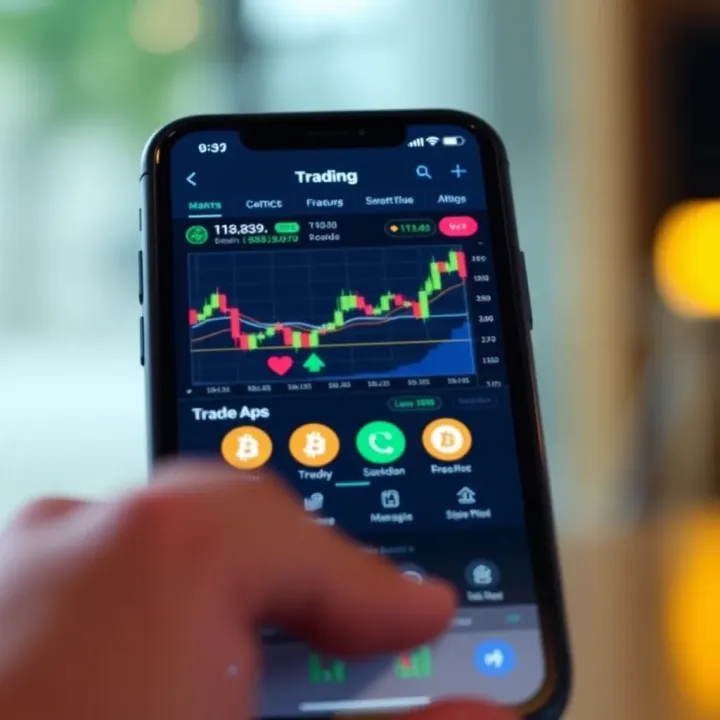
Explore how trading apps let you learn & trade in Pakistan risk-free 📱💸 Discover options without upfront investment & boost your trading skills safely!

Discover top trading apps in Pakistan 📱 for smart investors! Learn about security, fees, usability, local support, and mobile access to trade confidently.
Based on 15 reviews