
Trading Apps You Can Use Without Any Initial Investment
Explore how trading apps let you learn & trade in Pakistan risk-free 📱💸 Discover options without upfront investment & boost your trading skills safely!
Edited By
Thomas Grey
In the ever-changing world of financial markets, trading has become a popular way to make money. But for beginners, jumping straight into real trading can feel like walking a tightrope without a net. That’s where trading apps that don’t require real money come into play. These apps offer a risk-free playground where users can get their feet wet, sharpen trading skills, and understand market trends without the fear of losing actual cash.
This article shines a light on such apps, especially focusing on options popular and accessible in Pakistan. We’ll explore how these platforms simulate real trading, what features set them apart, and why they matter for people aiming to enter the market with more confidence.
If you’re new to trading or just want to test strategies without dipping into your savings, simulated trading apps can be a game changer. They help you figure out the ropes and prep for live trading – all without spending a dime.
You won’t find vague sales talk here, but a straightforward look into how these apps work and which ones are worth your time. Whether you’re a trader, investor, or financial educator, this guide has something practical and useful to offer. Let’s get started by breaking down why these apps exist and what they bring to the table.
Trading apps without investment offer a unique way for individuals to engage with the financial markets without risking actual money. They serve as a bridge for beginners who want to understand trading basics and for experienced traders aiming to test new strategies without financial consequences. In places like Pakistan, where cautious investing is a norm, these apps provide an accessible, hands-on learning platform.
These types of apps feature virtual funds that users can trade with, giving them a chance to experience the markets’ ups and downs firsthand. This approach is particularly helpful in building confidence and sharpening skills before moving to real-money trading. Understanding what these apps offer helps traders make informed decisions about their education and risk management.
Trading apps without real money are platforms where users simulate buying and selling financial assets such as stocks, forex, or cryptocurrencies using virtual money. No real cash is involved, so any profits or losses have no direct financial impact. This setup allows users to experiment with trades and explore market dynamics safely.
For example, Pakistan’s retail investor can access a demo account to practice trading shares listed on the Pakistan Stock Exchange without spending one rupee. These apps are crucial in helping users familiarize themselves with trading interfaces and market terminology before risking actual capital.
Unlike traditional trading platforms where actual money is invested and at risk, no-investment trading apps operate purely in a simulated environment. Traditional platforms reflect live market conditions and execute real trades, while demo apps replicate these conditions without financial stakes.
This difference is key — demo apps usually come with unlimited virtual funds and don’t carry the emotional weight of risking personal money. Thus, they’re more about learning and strategy testing, while traditional platforms are about actual investment and profit.
The core of these trading apps is the use of virtual funds credited to demo accounts. Users start with a set amount, say $10,000 or its equivalent in any currency, to simulate trades. This virtual balance can be reset or replenished, letting users retry different strategies repeatedly.
For instance, the Robinhood app’s practice mode or MetaTrader 5’s demo accounts assign virtual cash to users, allowing trades in real-time without risking real assets. This method is especially beneficial for Pakistani users who want to practice before venturing into local platforms such as PSX’s trading services or forex trading via local brokers.
Demo trading apps use live or delayed market data to mirror real market conditions closely. This includes price fluctuations, spreads, and even market news affecting asset values. Simulating events like earnings reports or geopolitical shifts helps users understand how such factors influence trading decisions.
An example is the Thinkorswim platform by TD Ameritrade, which simulates highly realistic trading scenarios for stock and options markets. Though no real money changes hands, the behavior and response needed reflect those in live trading, training users to think and react like pros.
Using these simulated environments lets users familiarize themselves with market rhythms and trading tactics without the stress of losing hard-earned money.
In summary, trading apps without investment provide a hands-on, risk-free way to understand how trading works in practice. They combine virtual money with real market conditions to create an educational yet safe playground for traders in Pakistan and beyond.
Trading apps that don’t require real money aren’t just toys; they offer genuine value for different types of users. Whether you’re a greenhorn just dipping your toes into the market or a seasoned trader trying out new moves, these apps serve distinct purposes. They provide a safe playground to gain insight, sharpen skills, or experiment without hurting your wallet. Let's break down who can really get something out of these no-investment platforms.
For beginners, the biggest hurdle is often fear—the fear of losing actual money while still trying to figure out the ropes. These no-investment apps wipe away that worry by letting you learn without risking a penny. Imagine you’re new to trading and want to understand how buying and selling stocks or commodities work. A demo platform with virtual funds lets you test the water under real market conditions but without real consequences.
Take a newbie who’s curious about the Pakistan Stock Exchange (PSX). With apps offering demo accounts, they can study live price movements and place fake trades. This hands-on experience builds a foundational understanding of how markets behave, without risking financial loss or stress.
Learning theory only takes you so far. Applying strategies in real-time scenarios is key to mastery. Demo trading apps allow beginners to test different strategies—like day trading, swing trading, or scalping—in a risk-free environment. They can try buying a stock when it dips or short selling in a falling market to see what works.
For example, a user might want to experiment with setting stop-loss orders or timing entries on volatile shares mimicking real PSX trends. Practice helps them to spot patterns, understand timing, and refine their approach before any real cash goes on the line.
Even professional traders can’t assume a new strategy or tool will work seamlessly in live markets. These demo accounts offer a perfect ground for trial runs where traders can simulate their tactics against current market dynamics without financial exposure.
Say an experienced trader wants to try algorithmic trading or back-test a new model using recent data from international markets like the NYSE or Nasdaq. They can deploy these strategies in the demo app, observing how their plan performs under volatile conditions before actually risking capital.
Markets evolve constantly, and old strategies lose their punch over time. Demo platforms provide a convenient way for seasoned traders to evaluate fresh tactics or instruments such as cryptocurrencies, futures, or ETFs—without jumping through hoops or committing real money immediately.
For instance, a trader familiar with traditional stock trading might want to assess the impact of trading forex pairs using a new approach. The virtual funds let them get familiar with the nuances, tweaking parameters until they find something that fits their style and risk appetite.
Whether you're just starting out or looking to sharpen your trading toolkit, no-investment apps provide a practical learning space that adapts to your level and needs. They’re like a flight simulator for pilots—essential practice before you hit the real sky.
Understanding who benefits and how will help you decide whether these demo apps are worth your time and effort on your trading journey.
When choosing a trading app that doesn’t require a real investment, it’s important to focus on features that give you a close-to-reality experience. These apps are meant to prepare you for actual trading, so they need to offer tools and conditions that reflect live market environments as much as possible. Without these key aspects, the app risks being more of a gimmick than a helpful learning aid.
Keep in mind, you’re looking for realism, ease of use, and learning support. For example, having accurate live market data ensures you’re practicing with the same price swings and patterns you’d face in real trades. A simple and intuitive interface prevents frustration and keeps you engaged. Plus, educational resources can guide you through complex concepts and trading strategies, making the whole experience more beneficial.
We’ll break down these key features below so you know exactly what to look for when you try out no-investment trading apps.
The backbone of any good trading app is realistic market data. It’s no use practicing trades if the prices and charts you see don’t reflect actual market conditions. Reliable apps pull data directly from stock exchanges or comprehensive financial data providers to mirror real-time price movements, volatility, and trends.
For instance, apps like MetaTrader 5 and Thinkorswim use live data to recreate the market environment, helping you get a feel for timing and price action. This helps prevent a false sense of security as demo prices can sometimes lag behind or behave unnaturally in apps with poor data feeds. If you’re trading forex or cryptocurrencies, accurate price quotes are crucial because these markets move fast and unpredictably.
Without market realism, your demo trades risk being detached from reality, reducing their value when you switch to live money.
A smooth and straightforward interface is essential in no-investment trading apps because it lowers the learning curve. Beginners often drop out not because trading itself is hard but due to clunky platforms that feel confusing or overwhelming.
Look for apps like TradingView or eToro that offer clean layouts, easy navigation, and customizable dashboards. These apps let you watch charts, place trades, and monitor your portfolio with minimal hassle. Features like drag-and-drop order placements, clear indicators, and responsive design can save you from costly mistakes caused by interface frustration.
Remember, the goal here isn’t to master software but to understand trading mechanisms. A user-friendly interface focuses your attention on strategizing rather than hunting for buttons.
Not all demo accounts offer learning materials, but the best ones do. Educational resources embedded within the app can be a game changer, especially if you’re new to trading. These resources might include step-by-step tutorials, webinars, strategy guides, or even mock trading competitions.

For example, apps like TD Ameritrade’s thinkorswim provide educational videos and articles alongside their demo trading environment. This combo allows you to try out concepts right away while deepening your understanding.
Moreover, some platforms offer built-in chat rooms or forums where you can discuss tactics with other learners or expert traders. This social interaction can give you insight that text or videos alone won't provide.
In essence, educational resources turn a demo app into a mini-classroom, sharpening skills that money alone can't teach.
Choosing a no-investment trading app with these three features well-implemented makes a tangible difference. You get closer-to-real practice, less fiddly tech barriers, and ongoing lessons—all vital for building competence before risking real funds.
Trading apps that don’t require any real money offer several practical advantages, especially for those starting out or testing new strategies. These apps simulate real market conditions, but since no actual funds are at stake, users can focus on learning and experimentation without the stress or pressure of losing money.
One of the biggest perks of these apps is the ability to practice trading with zero financial risk. Imagine trying to learn how to drive without being behind the wheel of a car — that’s what traditional trading feels like without a demo platform. With virtual money at your disposal, you can make mistakes freely and understand the consequences of different moves. For example, if you buy a stock and the price tanks, it won’t cost you a penny. This freedom encourages more trial and error, which is essential for mastering trading concepts and tools.
Nothing shakes a new trader more than the fear of losing actual money. Demo trading apps help remove that fear by creating a safe environment. This boosts confidence, allowing users to get comfortable with placing orders, setting stop losses, or analyzing charts. Over time, this confidence translates to better decision-making when you eventually move to live trading. Take the case of a new trader in Karachi who, by repeatedly practicing on a platform like MetaTrader’s demo account, got comfortable enough to invest real money with a clearer strategy and less anxiety.
These apps also give you a chance to observe market behavior without any stakes. Markets can seem unpredictable and overwhelming, but spending time in a simulated environment reveals patterns and trends that textbooks might never explain well. For instance, watching how news events impact stock prices or how liquidity changes during different hours helps traders understand real market dynamics. This hands-on approach deepens knowledge and hones instincts, invaluable for anyone serious about trading.
Using trading apps without investment isn't just about safe practice; it's about stepping into the shoes of a trader, feeling the rhythms of the market, and learning through experience — all without risking your savings.
In short, these apps provide a solid foundation by allowing risk-free practice, boosting confidence, and deepening understanding of market behavior. This makes them an essential stepping stone for both beginners and experienced traders refining their strategies.
When you're getting your feet wet with demo trading apps, it's important to keep in mind that these platforms aren't a perfect mirror of real-world trading. They are fantastic tools for learning and practice, but they come with some built-in limitations that every trader should be aware of. By understanding these shortcomings, you can set realistic expectations and avoid getting blindsided once you move onto real market conditions.
One big missing piece in demo trading is the emotional rollercoaster that comes with real money at stake. When you’re trading with virtual cash, it’s easy to shrug off losses or take bigger risks because, frankly, you’re not losing your own hard-earned money. This can create a false sense of confidence. For example, many beginner traders might boldly buy volatile stocks in a demo account but freeze up or panic-sell when actual money is involved. Real trading exercises emotional discipline and patience, skills a demo simply cannot fully instill.
It’s also worth noting that trades executed in demo apps may not reflect the exact execution one receives in live markets. Demo accounts often use simulated prices and avoid slippage, delays, or even partial fills that plague real-world trading. For instance, if you’re trading on MetaTrader’s demo version, your orders might be filled instantly and at exactly your requested price, whereas on a real platform like IG Markets or TD Ameritrade, network lag or liquidity issues could cause your trade to execute seconds later or at a different price. This discrepancy can be frustrating when transitioning to live trading, as real conditions involve more complexity than the straightforward simulation.
Another limitation in many demo apps is restricted access to advanced trading tools and features. Brokerages often lock down premium functionalities such as algorithmic trading, advanced analytics, or margin trading on demo versions. For example, apps like Thinkorswim by TD Ameritrade offer powerful charting and backtesting tools in the live environment, but some features might be toned down in demo mode. This means your ability to explore strategies or work with sophisticated instruments remains limited until you step into the live environment.
While demo trading apps are invaluable for learning and experimenting, recognizing these limitations is essential for building a realistic trading mindset and preparing for the challenges of real trading.
In a nutshell, treat demo apps as a jumpstart rather than a crystal ball. They’re a great way to understand market mechanics and test ideas without risking capital, yet they can’t perfectly replicate the highs, lows, and friction of live trading. Keep this balance in mind as you move from virtual practice to actual investing.
Using trading apps that let you practice without putting real money on the line helps build trading skills and confidence. But knowing which apps offer reliable no-investment options is key to getting the most out of your practice. These platforms usually provide demo accounts or simulated trading environments that mirror real market conditions closely enough to be useful.
In Pakistan, as well as globally, several trading apps have gained popularity for providing good demo setups. They tend to differ in the kind of markets they offer, user interface quality, and educational tools included in the demo experience. Choosing the right app with robust no-investment features can save newcomers from costly mistakes and help seasoned traders test new strategies safely.
Among apps offering demo trading in Pakistan, InvestMate and eToro stand out. InvestMate, popular locally, provides a demo account with virtual funds allowing users to simulate trading in Forex, stocks, and commodities. Its interface is designed to be beginner-friendly, which helps those new to trading get a grip on market mechanics without financial risk.
Another notable app is eToro, which, though international, is widely accessed by Pakistani traders. It offers not just a demo account but also social trading features, where users can watch and copy trades from experienced investors. This adds an interactive learning element that's rare among demo accounts.
These apps both include features like real-time price data, historical charts, and simulated order execution. Such tools are essential for practicing timing and order types in a realistic way. Access is straightforward: users can sign up, and immediately get started with virtual currency to trade without risking anything.
On the global stage, apps like MetaTrader 4 (MT4), TradingView, and Thinkorswim by TD Ameritrade are well-regarded for their demo offerings. MT4 is particularly popular among Forex traders; its demo mode mimics real trading conditions with the added benefit of thousands of user-developed technical indicators and Expert Advisors for automated trading.
TradingView, while primarily a charting platform, offers paper trading as a demo option, allowing users to place simulated trades on stocks, crypto, and forex markets. Its crowd-sourced trading ideas and vast community create a learning space unlike conventional demos.
Thinkorswim, though mainly geared towards the US market, provides one of the most comprehensive demo environments. It covers stocks, options, futures, and forex with a deep suite of analytical tools. While Pakistani users have to navigate access restrictions, the platform remains a model for what a robust demo app should look like.
Accessing demo accounts on these international platforms usually involves downloading the app and registering—often requiring no initial deposit. This immediate accessibility encourages traders to experiment freely and understand market dynamics before committing real funds.
By trying these apps, Pakistani traders can sharpen skills spanning various asset classes and strategies, all without the pressure of actual money losing. The key lies in regular practice and treating the demo environment as seriously as you would real trading.
Starting with a demo trading app can feel like stepping into a new world without the fear of losing your shirt. It’s your first real taste of how trading works, only without the financial stakes. This stage is crucial because it lays the foundation for becoming comfortable with the trading environment, understanding market flows, and building confidence before dealing with actual money.
Creating an account on a demo trading app is usually straightforward and quick, designed to get you up and running without hassle. For example, apps like MetaTrader 5 or Thinkorswim require basic details like your email and a password, sometimes asking for preferences like trading experience or goals — this helps tailor the experience.
Keep in mind some apps might ask you to verify your email or phone number, but mostly you won’t need to provide sensitive financial information at this stage. This ease of access means you can jump straight into learning without the bureaucratic hold-up typical of real trading accounts.
Once you've got an account, the next step is setting up your virtual funds. Demo accounts typically come preloaded with a set amount of pretend cash — sometimes as high as $100,000 — which you can use to simulate trades. This virtual money behaves much like real money, allowing you to buy or sell stocks, commodities, or currencies based on market conditions.
For example, if you’re exploring the Forex market on an app like Forex.com’s demo account, your fake funds let you practice placing orders without fretting about actual losses. If the app allows, you might even be able to reset your virtual balance if you blow through it too quickly or want to start fresh.
Diving into your first simulated trade is where things get exciting. Let's say you choose to buy Apple shares at the current demo price. You simply enter the quantity you want, review the current market data on the app, and hit 'buy.' Watching your trade unfold with live market data is very much like the real deal.
It's smart to experiment with different order types—limit orders, stop-loss orders, market orders—to see how they play out. This trial-and-error helps you understand the nuances of each without the pressure of losing actual money.
Treating your demo trades as seriously as real trades helps make the learning process more effective. Imagine your demo account as a flight simulator before stepping into a real cockpit.
By following these steps, you're not just playing around with numbers; you're actively preparing yourself for the reality of trading. It’s like learning to drive in an empty parking lot before hitting the busy city streets. The more you practice here, the better you’ll handle live trading when the time comes.
Using trading apps that don’t require real money is a great way to build your skills without taking a hit on your wallet. But it’s not enough to just click around for fun—maximizing what you learn involves some method and mindset. This section covers practical tips to get the most out of simulated trading, so when you’re ready to dive into real markets, you’re not just throwing darts in the dark.
Approaching demo or no-investment trading as if your own cash was on the line makes a world of difference. Treat it with the same seriousness you would when live trading. This means setting realistic goals, sticking to your strategy, and practicing patience. For example, if you decide to try scalping in a Forex demo app like MetaTrader, don’t simply make random trades. Instead, plan an entry and exit strategy and follow it diligently. This attitude develops habits crucial for real trading, such as emotional control and disciplined decision-making.
Imagine you’re trading Apple shares on a no-investment platform like TradingView's paper trading account. Reacting to market swings emotionally here might not hurt your money, but if you train yourself to stay calm and stick to your plan now, you’ll be more likely to maintain composure when real money is on the line.
Keeping a journal or log of your simulated trades is an often overlooked but powerful habit. This doesn’t have to be complicated—a simple spreadsheet with columns for date, asset, buy or sell, entry and exit points, and your reasoning for the trade can work wonders. Later, review your trades to spot patterns: Are you cutting winners short? Holding losers too long? Do you misread news events?
For instance, a trader using the Pakistan Stock Exchange demo feature on apps like PSX Virtual can track their simulated buys and periodically analyze results. Reviewing these records will highlight where your strategy succeeds or needs tweaking, improving your overall trading discipline and knowledge.
No-investment trading lets you dabble in markets you might hesitate to try with actual money—why not take advantage? Exploring various assets such as commodities, ETFs, cryptocurrencies, or Forex pairs helps you understand differences in volatility, liquidity, and trading behavior.
Say you’re comfortable trading tech stocks demo on eToro but curious about cryptocurrency. Try a demo Bitcoin trade there or on Binance’s testnet to observe how crypto markets fluctuate compared to stocks. This broad exposure sharpens your adaptability and prepares you for diverse opportunities once you trade live.
Learning by doing is the heart of trading education. Simulated trading offers a playground, but the real gains come from playing seriously, tracking your progress, and experimenting wisely across markets.
By incorporating these habits—treating simulated trading like the real deal, keeping detailed records, and exploring a broad range of instruments—you’ll lay a solid foundation. This foundation makes the leap to investing real money smoother, less stressful, and more informed.
Making the leap from demo accounts to real trading is a big step. It’s like moving out of the practice kitchen and into a busy restaurant – suddenly, the stakes are real. This transition marks an important phase in a trader's journey because it tests everything learned without virtual funds in actual market conditions.
Demo trading is great for building confidence and understanding market dynamics, but it lacks the emotional intensity of real money on the line. That’s why this stage requires cautious planning, solid strategy, and self-awareness to avoid costly mistakes.
Deciding when to switch to live trading isn’t set in stone, but a few signs can hint that you’re ready. First off, consistently making profitable trades in your demo account over several weeks or months is a good indicator. But keep in mind, success on paper doesn’t always translate perfectly in real life because emotions play a bigger role.
For example, if you’re comfortable executing trades under different market scenarios without panicking or over-trading, you may try dipping your toes with a small live account. It’s wise to start with a manageable amount that won’t hurt your finances if losses come knocking. Many traders recommend only risking money you can afford to lose while you adjust.
Doing a self-check on your emotional control is equally important. If you find yourself obsessing over demo results or getting frustrated, it may be better to sharpen your skills some more before jumping in.
Once you start real trading, risk management becomes your best ally. Unlike a demo, where losses don’t sting, in real markets protecting your capital is key to survival. This means setting clear stop-loss limits and sticking to them without giving in to hope or fear.
Diversifying your trades rather than putting all your eggs in one basket is another sound approach. For instance, instead of focusing only on one stock or commodity, spread your investments across different instruments to reduce volatility impact.
Risk control also involves adjusting your position sizes based on your overall portfolio and market conditions. For example, during highly volatile phases, scaling down your trade size can help influence how much you stand to lose if the market moves against you.
Discipline is the bridge between successful strategies on demo accounts and actual profits. The temptation to chase quick wins or revenge trade after a loss can derail even the best-prepared traders. Staying patient and adhering to your trading plan prevents impulsive decisions that can wipe out your gains.
A trader I know in Karachi failed initially because he ignored his set stop-loss boundaries and let hope cloud his judgment. It took him some tough lessons to accept losing trades and not let emotions take charge.
To keep discipline:
Set realistic goals and timelines
Keep a trading journal to track thoughts and outcomes
Avoid over-trading
Take breaks when stressed or frustrated
Remember, trading isn’t a sprint; it’s more like a marathon where steady progress beats erratic bursts.
Transitioning from demo trading to real markets is challenging but rewarding if done carefully. Managing risks smartly and sticking to your rules creates a sturdy foundation for long-term success.
This phase is a reality check that builds not just your skills but character as a trader. With practice and patience, the shift becomes less daunting, making live trading a natural step forward.
Understanding the legal framework governing trading apps is fundamental, especially for users in Pakistan. Each trading platform must operate within the established financial regulations to ensure user protection and fair market practices. This is particularly important for apps that simulate trading without real investment, as users need to be confident that the software is compliant and trustworthy.
Trading apps in Pakistan must comply with guidelines from entities like the Securities and Exchange Commission of Pakistan (SECP). SECP oversees financial markets and ensures that trading services maintain transparency and security standards. If a demo trading app doesn't meet these regulations, users might face risks such as inaccurate data or unsecured platforms.
When choosing a no-investment trading app, verify if it adheres to Pakistan’s financial regulations for safer and more reliable usage.
Pakistan’s financial authorities require that any app facilitating trading activities, even simulation-based ones, disclose key information about how data is handled and clarify that no real money is at risk in virtual trading modes. This includes compliance with the SECP's investor protection rules and anti-money laundering (AML) regulations.
For example, regulations emphasize the importance of clear disclaimers on demo apps about the risks of real trading. The SECP also monitors apps to prevent fraudulent schemes, ensuring platforms do not mislead users by mixing real and virtual trading operations without transparency. This maintains trust and sets clear boundaries on what these apps can and cannot promise.
Security is a big concern when it comes to trading apps, including those with demo features. Since users often have to input personal information to create accounts, data privacy becomes critical. Pakistani laws now increasingly align with global standards on data protection, urging app developers to implement strong encryption and secure data handling practices.
In practice, a trading app operating in or targeting Pakistan should:
Use secure socket layer (SSL) encryption to protect login and personal data.
Avoid sharing user information with third parties without explicit consent.
Regularly update security protocols to prevent hacking and data breaches.
For example, apps like MetaTrader 5 and IQ Option, which offer demo modes usable in Pakistan, have clear privacy policies and built-in security measures to protect user data. Users should always review the privacy terms before signing up.
Keeping your personal data secure is as important as learning market strategies. It's wise to choose apps with a strong reputation for security to protect against identity theft or data misuse.
In summary, legal and regulatory safeguards in Pakistan provide a framework that protects users of no-investment trading apps. Awareness of these considerations helps investors and traders engage with such platforms more confidently and safely.
Choosing to start with a trading app that doesn’t require real money can be a smart move for many. These apps provide a safety net for beginners, allowing them to test waters without the fear of losing cash. Even seasoned traders find value in demo accounts for experimenting with fresh tactics.
However, it’s important to keep a clear head about what these apps offer and their limits. They’re great for building confidence and learning mechanics, but they can’t mimic the gut-wrenching emotions of real trading or the exact timing of live market executions. So, whether you’re dipping your toes into trading or validating a new approach, these tools are worth considering.
Trading apps without investment carry a few distinct advantages: primarily, the chance to practice without risking money. This zero-risk learning helps users understand market dynamics and develop skills at their own pace. For instance, a newbie trader in Karachi might try a demo app like IQ Option’s practice mode to get familiar with forex fluctuations before stepping into the live market.
On the downside, these platforms don’t capture the emotional highs and lows that come with actual money on the line. That “skin in the game” feeling is what often influences trading decisions in real settings. Plus, some demo apps don’t offer access to every feature available in paid versions, so your practice environment might lack elements crucial for high-level strategies.
If you’re starting out, treat demo trading seriously — act as if your virtual money truly matters. Keep a trade journal just like a pro baseball player tracks hits; this will help you spot patterns and mistakes. Don’t limit yourself to one market; try stocks, forex, cryptocurrencies, or commodities to see what suits your style best.
Once you feel consistent winning or breaking even in the demo, you can slowly transition to live trading—starting small to manage real risk properly. Remember to stay patient; no one becomes a trading expert overnight. Learning to trade is more marathon than sprint.
"Practice makes perfect" is more than a phrase here. Trading apps without investment are your rehearsal stage. Use it well, but don't expect it to replace the real deal. Confidence grows, but real money tests discipline.
In the end, these apps are tools — how effective they are depends on how seriously you use them. For Pakistani traders wanting a solid foundation without financial pressure, these apps offer a practical, accessible path to entering the trading arena with fewer worries.
Explore how trading apps let you learn & trade in Pakistan risk-free 📱💸 Discover options without upfront investment & boost your trading skills safely!

🔍 Explore how to start trading without upfront money in Pakistan! Learn about risks, opportunities, and methods to trade with zero investment today.
Discover top trading apps in Pakistan with no investment needed! 📱 Learn features, safety tips, and how beginners can start trading risk-free today. 🇵🇰📈
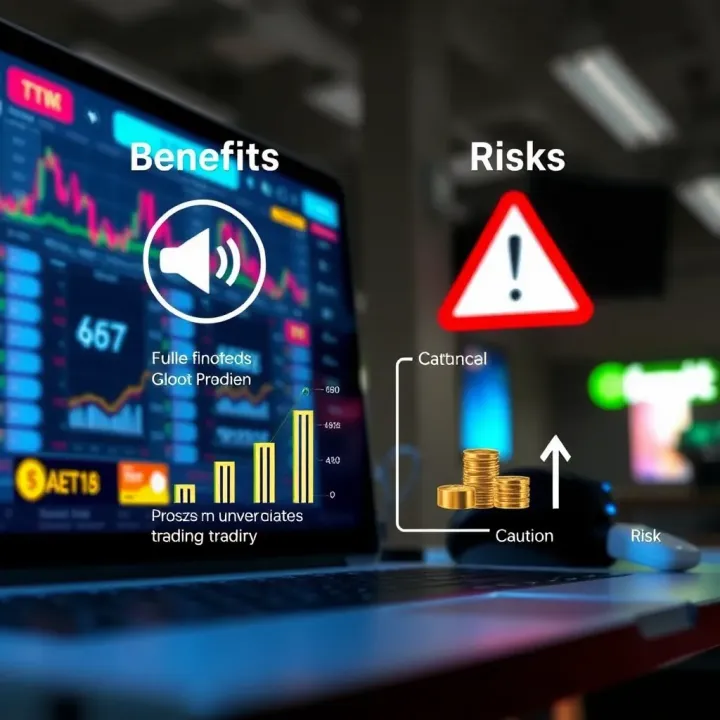
📱 Discover how zero investment trading apps work in Pakistan, their pros, cons, and tips to pick the best platform without upfront capital. 💼📊
Based on 15 reviews