
Understanding Trade View: A Clear Guide
📈 Explore how Trade View helps traders and investors analyze markets, use essential tools, and overcome challenges for smarter decisions.
Edited By
Charlotte Price
Trade graphs might seem like just a bunch of lines and dots at a glance, but they’re actually a treasure trove of information for anyone involved in the markets. Whether you're a seasoned trader or a financial analyst trying to make sense of market movements, understanding these graphs is a must.
In Pakistan's fast-growing markets, where things can get a bit unpredictable due to various economic and political factors, trade graphs become even more critical. They offer a way to break down complex trading data into visual stories that reveal trends, volume spikes, and even moments of panic or opportunity.
This article is going to walk you through the basics and beyond — exploring what trade graphs show, the types you’ll encounter, and how to really read between the lines to make smarter decisions. We’ll also discuss practical tools you can use and why these insights matter for traders and businesses operating in Pakistan’s market scene.
In trading, knowledge isn’t just power — it’s often your edge. Trade graphs translate raw numbers into patterns that help you see the market’s mood and move accordingly.
Stick with me, and you’ll soon see these graphs aren’t just charts; they’re your roadmap in the bustling world of market analysis.
Trade graphs serve as the backbone of understanding market behavior, especially in fast-moving financial environments like Pakistan's stock and commodity markets. They turn abstract numbers into visual stories, helping traders and analysts spot trends, compare performances, and predict possible market moves. Without these, you'd be sailing blind, trying to make sense of a chaotic sea of price and volume data.
For instance, consider a trader watching the Pakistan Stock Exchange (PSX). A well-constructed trade graph allows them to see not just current prices but also how these prices fluctuate over time alongside volume changes. This visual insight can be the difference between grabbing a good deal and missing out entirely.
A trade graph is a visual tool that represents market data, showing price movements, trade volumes, or other relevant financial metrics over time. Unlike plain data tables, these graphs highlight patterns and anomalies in a glance. Key features include plotting time on the x-axis and values like price or volume on the y-axis.
Think of it as looking at a roadmap for market activity — whether it's a line chart tracking stock prices over a month or a candlestick chart revealing daily price swings. These visuals make it easier to digest complex information and quickly spot where the market might be heading.
Trade graphs are essential because they uncover trends that raw numbers fail to convey effectively. They provide context, showing how prices relate to volumes and help identify momentum shifts or reversals. For example, a sudden surge in trade volume paired with a rising price often signals strong market interest, possibly indicating a breakout.
For market analysts and traders in Pakistan, this means better decision-making backed by clear, timely data. It's much like having a weather forecast before setting off — while not perfect, it greatly improves your chances of success.
One of the most straightforward uses of trade graphs is tracking how markets or specific stocks perform over time. By observing these charts, traders can evaluate whether an asset is trending upwards, stagnant, or in decline.
Take, for example, a business owner monitoring the price of wheat futures. The trade graph helps them decide when to buy or sell, minimizing losses and maximizing gains. This kind of performance tracking is vital for anyone involved in trading, from local investors to exporters.
Trade graphs also excel at showing the relationship between how much of an item is being traded and at what price. Volume bars under price charts reveal how much buyers and sellers are active, which can hint at the strength or weakness of a price move.
Imagine a candlestick chart for oil prices where the price itself barely changes, but volume spikes dramatically. This could suggest an upcoming price movement, prompting traders to watch closely and prepare their strategies accordingly.
Understanding and utilizing trade graphs effectively equips traders and analysts with a solid foundation for navigating the markets, allowing more informed and timely decisions.
By mastering the basics of trade graphs, Pakistani traders and financial analysts can gain a clear edge in their market pursuits, ensuring they're not just guessing but making educated moves based on real data signals.
Trade graphs come in various forms, each designed to highlight specific market information in a way that’s quick to grasp and easy to analyze. Understanding the different types of trade graphs is essential for traders and analysts because the right chart can turn complex data into clear insights. For example, a day trader looking at price fluctuations might find candlestick charts more useful, while a long-term investor could rely on line graphs to observe overall trends.
Line graphs shine when you want to track the general movement of prices over time. They connect data points with a continuous line, clearly showing upward, downward, or sideways trends. They’re especially handy for anyone interested in long-term patterns, like an investor reviewing the Pakistan Stock Exchange’s performance over a year or more. Line graphs strip away noise and give a clean visual snapshot of market trends.
Reading line graphs requires spotting the general direction and noting any patterns. For instance, if the line steadily moves upwards, it signals a bullish market, while a steady drop suggests bearish sentiment. Patterns like a series of higher highs and higher lows indicate an uptrend, whereas lower highs and lows suggest a downtrend. Recognizing these helps traders decide when to enter or exit a trade, avoiding random ups and downs that don’t reflect real market moves.
Bar and column charts are perfect tools for visualizing trade volume, showcasing how much of a particular stock or commodity is being bought or sold at given times. Each bar or column's height reflects the volume—which traders can quickly compare day-by-day or across different stocks. For example, a spike in wheat trading volume on the Karachi commodity market shown through a column chart may indicate increased interest related to seasonal harvests.
Beyond volume, these charts are excellent for comparing several data points at once. Imagine a broker comparing the trading volumes of five different stocks on the Pakistan Stock Exchange; bar charts provide a straightforward visual comparison that’s easy to digest. Also, stacked bar charts can show multiple data series, like volume broken down by buyer and seller, giving added perspective on market behavior.
Candlestick charts provide a detailed picture of price changes within a specific period—minutes, hours, or days. Each candlestick shows the opening, closing, high, and low price, using shapes and colors to highlight whether prices went up or down. Pakistani traders often use candlestick charts because they offer more information than line graphs, revealing market sentiment like indecision, momentum, or possible reversals through visual patterns.
Trading strategies often revolve around reading candlestick patterns. For example, a “Hammer” or “Doji” can signal a potential reversal after a downtrend, alerting traders to a buying opportunity. Conversely, patterns like “Engulfing” can confirm strong trends. Skilled traders in Karachi’s bustling stock market sometimes use these charts alongside volume data to fine-tune entry and exit points, minimizing losses and maximizing gains.
The key is knowing when and where to use each type, matching them with your trading style and the specific market conditions. Combining these graphs effectively can give Pakistani traders a solid edge in interpreting complex market stories.
Trade graphs aren’t just pretty pictures; they're packed with details that can make or break a successful market analysis. Getting familiar with the key elements of these graphs helps traders and analysts make smarter decisions. You don’t just glance at a chart; you read the story it is telling about price movements, volumes, and market behavior.
At the heart of any trade graph are the axes and scales, plus the data points and markers. These elements give context and meaning, letting you see where prices stand, how volumes shift, and when trends emerge or fade. Imagine watching the Karachi Stock Exchange: without the proper axes or well-marked volumes, you’d be more or less guessing what’s happening.
Understanding these basics ensures your analysis doesn’t wander off into confusion. Below, we break down these components and explain how to get the most from them.
The x-axis usually represents time—be it minutes, hours, days, or even months. It’s your timeline. The y-axis typically shows prices or trade volumes. Grasping how these axes work is like having a map to navigate the market’s twists and turns.
For example, a daily chart of the Pakistan Stock Exchange shows how prices moved day by day over weeks. If you spot a steady incline on the x-axis with rising prices on the y-axis, it signals bullish sentiment. Traders use this to decide when to enter or exit.
Remember, the spacing along these axes isn’t random. It affects how you perceive the trend’s speed and volatility. Widened gaps in time can smooth out the apparent noise, while tighter intervals reveal detailed ups and downs.
Sometimes, a single graph might show price on one y-axis and volume on another, each with its own scale. It’s common when comparing datasets that move on different ranges, like price in rupees and volume in shares traded.
Take an oil price chart alongside local wheat trade volumes. Oil might move between $60 and $70, but wheat volumes can jump from thousands to millions. Without dual scales, one data set could overshadow the other, causing confusion.
Beware of distorted scales that exaggerate trends. In Pakistani markets, this matters during volatile times—say, when political news affects commodity prices unexpectedly. A clear, balanced scale lets you see real relationships instead of misleading spikes or dips.
Each point on a trade graph represents actual data — a trade price at a moment or a volume figure for that period. Spotting these data points and understanding their relevance gives you a sharper view of market behavior.
For instance, a sudden cluster of high-volume points combined with falling prices could hint at panic selling. Pakistani traders often watch such signals around earnings reports or policy announcements. Recognizing these cues early provides an edge.
Markers like dots or special shapes often highlight significant events—like a market open, close, or a record high. Knowing what to look for, like candlestick bodies or wick lengths, adds another layer to your market insight.
Volume is the voice of the market—it speaks louder than prices sometimes. A price rise without volume support might be a false signal. Conversely, volume spikes often precede or confirm trend changes.
Consider the case when Pakistan’s petroleum prices rise sharply along with volume. This usually shows genuine buying interest, signaling traders to watch for continuation or reversals. Ignoring volume could lead to a costly misread.
Price indicators including moving averages or Bollinger Bands help smooth out daily noise and identify momentum. In a market like Karachi's, where rumors can whip prices around, these indicators prove invaluable.
Knowing how to decode axes, scales, data points, and volume-price interplay is like having a trader’s sixth sense. It transforms raw numbers into actionable insights.
In short, these elements are the backbone of trade graphs. Without them, traders are flying blind. Keep these fundamentals in mind, and your market analysis will be much clearer and more reliable.
Understanding trade graphs is more than just looking at lines and bars; it's about reading what the market is trying to tell you. Effective interpretation means spotting trends early, recognizing shifts before they become obvious, and separating real signals from mere noise. This skill forms the backbone of making informed trading decisions, whether you're day trading or planning long-term investments. For instance, a Pakistani trader observing the Karachi Stock Exchange could use trade graphs to foresee how political events affect investor confidence, adjusting their strategies accordingly.
A bullish signal announces that the market or a particular asset is expected to rise. For example, a series of higher highs and higher lows in a candlestick chart of Pakistan State Oil shares indicates demand is increasing. On the flip side, bearish signals suggest falling prices—like consistent lower highs and lower lows seen in a graph tracking wheat futures prices. Recognizing these trends early provides traders a chance to buy low and sell high or exit losing positions before a slump deepens.
Identifying whether the market is bullish or bearish is like reading the weather—critical before you make your plans.
Trend reversals are moments when the market changes direction, which can spell either opportunity or risk. Common patterns signaling reversals include double tops or bottoms and head-and-shoulders formations. For example, if fertilizer stocks in the Pakistani market show a double-top pattern, it might hint that the recent rise is faltering, and a fall is imminent. Traders should watch closely for volume confirmation during these patterns, as a spike adds weight to the reversal signal.
Sudden surges in trade volume often precede or confirm significant price moves. Picture a scenario where the volume of trading on the Pakistan Stock Exchange jumps dramatically alongside a price increase in textile companies like Nishat Mills. This suggests that the move has backing from many participants, giving it legitimacy. Conversely, price movements on low volume may be suspect and prone to reversal.
Price changes gain depth when viewed alongside volume trends. For example, if the price of oil contracts in Pakistan dip, but volume remains steady, it might indicate weak selling pressure, hinting that the price drop won't sustain. However, sharp price moves paired with high volume generally indicate a strong market conviction. Traders benefit from understanding that volume precedes price in many cases, serving as a leading indicator.
Mastering the effective interpretation of trade graphs allows traders and analysts to anticipate market behavior rather than simply react to it. Reliably reading bullish and bearish signals, spotting reversals timely, and linking volume with price action provides the edge needed in the fast-paced markets found in Pakistan today.
Trade graphs are indispensable tools when it comes to making informed trading decisions. They provide a snapshot of market activities, helping traders spot opportunities and risks with greater clarity. Whether you’re executing a quick scalp trade or plotting a long-term investment strategy, trade graphs narrow down the chaos, translating complex market data into visual patterns.
For example, a Pakistani day trader examining the Pakistan Stock Exchange (PSX) might rely heavily on intraday charts to track rapid price changes. Conversely, a pension fund manager assessing historical trends looks for broader patterns over months or years. Trade graphs bridge these different timeframes, offering vital clues to market behavior that raw numbers alone can’t provide.
Day trading and scalp strategies revolve around making quick decisions based on short-term price movements. Trade graphs allow these traders to monitor tiny shifts in stock price and volume throughout the trading day. This immediacy is key: with candlestick charts for instance, traders can spot momentum changes within minutes, signaling when to buy or exit.
In Pakistan’s volatile market, scalp traders often watch sectors like technology or banking, where price swings can be sharp and frequent. One common tactic involves looking for volume spikes on an intraday chart as confirmation that a price move is backed by real market interest, not just random noise. This kind of insight keeps traders nimble and ready to capitalize on fleeting chances.
Reading intraday charts means understanding minute-by-minute changes in trade data. Intraday charts condense all market action into segments – 1-minute, 5-minute, or 15-minute intervals – giving traders detailed views of evolving supply and demand. Familiarity with these charts helps traders detect support and resistance levels that might not appear on daily or weekly charts.
For instance, during a busy trading day on the PSX, a trader tracking a popular stock like Engro Corporation may notice repeated price rebounds around a specific intraday level. This could hint at strong buying interest there. By interpreting such signals, traders enhance their ability to time entries and exits effectively, rather than acting on hunches.
Identifying stable growth patterns is crucial for long-term investors who focus on steady appreciation over time. Trade graphs reveal these patterns by smoothing out short-term noise and highlighting consistent upward trends. Investors often look at moving averages and volume trends on monthly or quarterly charts to confirm genuine growth.
In the Pakistani context, recognizing growth in sectors like energy or consumer goods can be a game changer. An investor spotting a consistent climb in Companies like Hub Power or Nestlé Pakistan over several quarters might decide to hold or add to their position, confident in the company’s resilience.
Evaluating historical data trends allows investors to put recent price movements into perspective. By looking at several years' worth of trade graphs, one can assess how an asset performed through different market cycles, including downturns and recoveries. This historical lens helps mitigate emotional reactions to short-lived falls or spikes.
For example, evaluating the historical price and volume data of Pakistan’s textile exporters might reveal seasonal patterns tied to global demand cycles. This knowledge guides investors when to buy or sell, aligning their decisions with broader market rhythms rather than guesswork.
Trade graphs serve as both a compass and a map for traders and investors alike, offering real-time guidance for short-term moves and long-term strategies.
By blending these insights, market participants improve their chances of making decisions that align with their risk tolerance and financial goals. Appreciating the distinct roles trade graphs play in short and long horizons is a step towards smarter, data-backed trading in Pakistan’s diverse markets.
Creating clear and accurate trade graphs is no longer just for big financial institutions. Thanks to a variety of tools and software, traders and analysts—whether in Karachi, Lahore, or beyond—can generate detailed visuals to track market trends. These tools help convert raw data into understandable formats, making decision-making quicker and more confident.
Using the right trade graph software saves time and reduces errors. It allows users to customize charts to fit their specific strategies and market focus. For Pakistani traders dealing with the Pakistan Stock Exchange or local commodities, having software tailored to regional needs can be a game changer.
There’s no shortage of charting platforms out there, but a few stand out for their ease and efficiency. TradingView is popular worldwide for its intuitive interface and wide range of tools, including line, bar, and candlestick charts. MetaTrader 4 and 5 are staples for forex traders, offering advanced features like automated trading bots. Then there’s Investing.com’s charting tools, which provide free access to real-time data and indicators.
These platforms each bring something unique to the table. For example, TradingView offers a strong community aspect where traders share ideas and strategies, while MetaTrader’s scripting capabilities allow custom technical indicators tailored precisely to user needs.
For traders in Pakistan, access to real-time data from the Pakistan Stock Exchange or local commodity prices is essential. Platforms that support local market data feeds, like PSX Ready or software integrated with Systems Limited’s trading solutions, add immense value. User-friendly Urdu or simple English interfaces lower language barriers, making complex graph interpretation easier.
Additionally, platforms with low-latency data updates provide an edge in fast markets, and mobile apps ensure traders can monitor graphs on-the-go, something crucial during volatile trading sessions.
Indicators like Moving Averages, Relative Strength Index (RSI), and Bollinger Bands can transform a basic graph into a powerful analysis tool. Overlays like volume bars or trend lines allow you to see price action alongside trading activity, offering deeper insight.
Customizing these elements helps traders pinpoint entry and exit points, identify overbought or oversold conditions, and confirm market trends. For instance, a trader watching the KSE-100 index might overlay a 50-day moving average to spot short-term momentum shifts.
Tailoring time frames—ranging from minutes to months—is essential depending on your trading style. Day traders often examine 1-minute to 15-minute charts to catch quick moves, while long-term investors might focus on weekly or monthly scales.
Adjusting y-axis scales, such as switching between linear and logarithmic views, helps interpret price changes more clearly, especially when dealing with volatile commodities like crude oil. Custom time frames also let you concentrate on specific periods of interest, removing distractions and focusing analysis precisely.
Tools aren’t just about convenience—they’re about sharpening your edge. Picking the right platform and customizing your graphs properly can make all the difference in decoding market signals.
This hands-on control over visual data equips traders with clarity and better understanding, crucial in the fast-paced markets of today.
Trade graphs are powerful tools, but they’re not foolproof. One of the biggest hurdles traders face is falling into common traps that lead to misinterpretation. These mistakes can blur the true market picture, resulting in poor decisions. Recognizing and correcting these errors helps sharpen analysis and improves trading outcomes, especially in markets like Pakistan where volatility can be high.
Market 'noise' refers to random short-term price movements that don’t indicate a lasting trend. For example, during a trading day, the price of a stock might jump sharply due to a rumor but then quickly retreat. Mistaking this noise for a trend can lead to premature buying or selling. To spot real trends, it's essential to look for sustained movements over time rather than reacting to every spike or dip.
Using moving averages or filtering tools can help smooth out noise. For instance, the 50-day moving average offers a clearer picture by averaging out daily ups and downs. If a stock price crosses and holds above this average, that’s a stronger indication of a trend rather than a fleeting spike.
It’s easy to see patterns where none exist, especially if you’re eager to find signals. Overinterpreting small patterns—like minor candlestick formations or brief volume changes—without other confirmations can lead to false assumptions. Traders sometimes get fixated on a single indicator or chart pattern without considering the bigger picture.
A practical approach is to combine multiple indicators before acting. For example, spotting a bullish engulfing candle is more meaningful if it coincides with rising volume and a favorable moving average crossover. Resist the urge to chase every signal; patience and confirmation tend to be your best friends.
Trade graphs show raw numbers—prices, volumes, etc.—but they don’t tell you why those numbers move. Major economic events like interest rate changes, political instability, or global crises can heavily affect market behavior. Ignoring these can result in misreading graphs.
Take the example of Pakistan’s inflation announcements or Import-Export policy changes. Such news can cause sudden price swings that may mislead if viewed out of context. Successful traders keep an eye on the economic calendar and factor in these events when interpreting trade graphs.
Market sentiment—a mix of investor mood and expectations—sometimes drives prices more than fundamentals. Even if a trade graph shows a declining trend, strong positive sentiment around a sector or stock can lead to a turnaround.
Tools like the Put/Call ratio or the Volatility Index offer clues on sentiment and help traders gauge whether a trend is supported by the crowd’s mood or is likely to shift. Being aware of sentiment helps avoid being caught on the wrong side of a sudden market shift.
Trading isn't simply about reading graphs. It's about understanding what moves markets beneath the charts—noise, context, and sentiment all play their part.
By steering clear of these common mistakes, traders can make more informed decisions and confidently navigate Pakistan’s markets. Always look beyond the lines on a graph; combining technical analysis with real-world insight is the winning recipe.
Understanding how trade graphs apply within Pakistani markets gives a practical edge to the theoretical knowledge traders gather. Case studies help bridge the gap between abstract data and real-world application, showing exactly how market dynamics unfold on the ground. Pakistani markets, with their unique blend of economic factors and regional challenges, offer distinct scenarios for analyzing trade graphs effectively.
This section dives into specific examples from equity and commodity markets in Pakistan, providing insights that are directly relevant for traders, brokers, and analysts in the region. By observing familiar market conditions, readers can better anticipate trends and make informed decisions.
The Pakistan Stock Exchange (PSX) is a prime example where trade graphs reveal much about market sentiment and investor behavior. For instance, the recent surge in technology stocks like Systems Limited and TRG Pakistan showed clear bullish patterns on candlestick charts, demonstrating moments when investors were optimistic about earnings.
Line and bar graphs are extensively used to track these companies' stock prices over daily, weekly, and monthly intervals. Such graphs highlight price breakouts and consolidations, helping traders decide when to buy or sell. By referencing PSX data, traders can observe common indicators such as volume spikes coinciding with price increases, signaling strong buying interest.
Recent market movements in PSX showcase how external factors affect trading. For example, changes in government policies towards foreign investment were reflected quickly in trade graphs by sudden volume shifts and price swings in industrial stocks. Spotting these shifts early via trade graphs allows investors to adapt strategies accordingly.
Additionally, graphs demonstrated how political uncertainty in the region caused repetitive bearish trends followed by rapid recoveries, emphasizing the need for nuanced interpretation rather than reactive trading. Recognizing such patterns can help traders avoid knee-jerk decisions and focus on longer-term trend signals.
Trade graphs are essential tools for monitoring commodities like wheat and oil, which are vital to Pakistan’s economy. For instance, fluctuations in global crude oil prices are often mirrored with some lag on local trade graphs, enabling exporters and importers to anticipate cost changes.
Wheat prices follow seasonal trends as reflected on line graphs tracking harvest times and export demands. Traders who monitor these fluctuations can better predict price dips and peaks, which is especially useful for planning sales or purchases in bulk.
Local traders and exporters rely heavily on accurate graph analysis because margins can be thin and volatility high. Trade graphs help them time market entries and exits more precisely. For example, a soybean exporter watching price movements on candlestick charts can identify when international demand spikes are likely, avoiding locking in deals too early or late.
Moreover, combining commodity price graphs with external data, such as weather forecasts or government subsidies reports, gives traders a fuller picture. This approach limits risk and supports more strategic planning.
Using concrete examples from Pakistani markets to interpret trade graphs improves understanding and leads to better decision-making.
In summary, case studies centered on local markets ground trade graph theory in real trading environments. They reveal how economic events, seasonal factors, and political shifts influence market behavior, which trade graphs help to visualize clearly and act upon effectively.
For Pakistani traders, using trade graphs effectively can feel like navigating a bumpy road without a map. But with a little know-how, these graphs can become one of your most reliable tools for making smarter market decisions. The key is not just to glance at the charts but to really understand what they’re showing and how they fit into the bigger picture of Pakistan’s unique market dynamics. This means blending theory with local insights and tailoring your approach to the volatility and economic factors typical here.
When first diving into trade graphs, starting with educational resources and courses is like laying a strong foundation. Platforms like Investopedia offer clear, step-by-step lessons that go beyond just definitions and teach how to read actual graphs. In Pakistan, local institutes such as the Karachi School of Business and Leadership (KSBL) provide specialized courses tailored to stock market analysis, making the learning curve easier to climb with relevant examples.
Practice makes perfect, especially with market data — without it, theory stays theory.
It's crucial not to just learn passively. Practice with real data by using tools like the Pakistan Stock Exchange (PSX) platform or software like MetaTrader 5. You can download historical price data, experiment with different types of charts, and watch how price trends behave around market events unique to our region, such as political developments or policy changes. This hands-on approach helps cement your understanding far better than just reading charts in isolation.
Trade graphs alone give you a snapshot, but combining them with other analysis techniques paints the full picture. Combining technical and fundamental analysis is especially useful. For example, when analyzing a company like Pakistan State Oil (PSO), fundamental analysis reveals its earnings growth and government policies impacting fuel prices, while technical charts show entry and exit points based on price patterns. This dual approach avoids the common trap of relying on price movements alone.
In addition, using graphs alongside news and reports keeps you grounded in real-world context. The Pakistani market can swing on breaking news – say, a change in export duties affecting textile prices or a sudden shift in foreign investment sentiment. Following trusted news sources like Dawn Business or The Express Tribune’s business section, and mapping those events on your trade graphs, makes your analysis sharper and more timely. It’s a simple trick, but one that many overlook, leading to missed opportunities or wrong calls.
By blending these practical tips—building solid graph literacy, practicing with local market data, and integrating various kinds of analysis—you’ll start seeing trade graphs not just as pretty visualizations but as powerful tools customized for Pakistan’s market nuances.
Trade graphs have always been key tools for traders and analysts, but their role is evolving quickly as new technologies reshape how data is collected and interpreted. Understanding future trends in trade graph usage helps Pakistani traders stay ahead and make smarter decisions. These trends highlight the shift from static data visuals to more dynamic, real-time, and AI-augmented insights.
Real-time data is changing the game by keeping traders up to the minute on market movements. Traditional graphs showed daily or end-of-day results, but live updates enable intraday decisions that can capitalize on fleeting market opportunities.
Benefits of live updates include:
Immediate reaction to market changes, like sudden price dips or spikes.
Enhanced ability to spot short-term trends and anomalies.
Better execution of day trading and scalping strategies, particularly in volatile markets like the Karachi Stock Exchange.
For example, during intense trading hours, Pakistani traders watching real-time graphs can take advantage of a sudden surge in steel exports or fluctuations in oil prices that might otherwise be missed.
Challenges and solutions:
Data overload: Too much live data can overwhelm and confuse traders. The answer lies in filtering tools that prioritize critical data points.
Latency issues: Network delays can make "real-time" slightly behind. Opting for platforms like MetaTrader 5 or TradingView, which offer optimized live feeds, helps mitigate this.
Cost factor: Real-time data feeds may require premium subscriptions. Small traders can balance cost by choosing selective real-time updates focusing on their key assets.
AI and machine learning aren't just buzzwords anymore; they are becoming practical tools to decode complex market data faster and more accurately.
Automated pattern detection uses algorithms to scan enormous volumes of trade data and identify familiar chart patterns like head and shoulders, flags, or double bottoms.
This automation saves traders from sifting through countless charts manually, flagging potential trade setups instantly. For instance, a Pakistani exporter tracking commodity prices can use AI tools integrated in platforms like TrendSpider to catch emerging trends before competitors.
Enhancing predictive accuracy: AI models learn from historical trade data to forecast future price movements with increasing precision. These forecasts are not foolproof but improve decision-making by providing probabilistic insights.
Pakistani investors combining AI forecasts with their knowledge of local market conditions—like seasonal demands for crops or geopolitical factors—can better anticipate price moves and reduce risk.
Embracing real-time data and AI-driven analysis equips traders with sharper tools to navigate complex markets, making trade graphs more than just historical snapshots—they become predictive guides.
In sum, staying updated with these trends allows traders in Pakistan to leverage technology while balancing its challenges, ultimately enhancing their market strategies and outcomes.
Trade graphs are more than just visual aids; they’re essential tools that help traders, analysts, and investors make sense of complex market movements. Wrapping up this discussion, it's clear that understanding how to read and apply information from trade graphs can improve decision-making and reduce guesswork. This section brings together practical benefits and key considerations for anyone involved in the Pakistani market.
To summarize, trade graphs serve as compact storytellers of market action, showing trends, volumes, and price shifts clearly. We've seen that line graphs help spot trends, bar charts compare volumes, and candlestick charts reveal price dynamics—all crucial in reading market signals.
Recap of key points: Recognizing bullish or bearish patterns and volume spikes allows traders to time their moves better. For example, spotting a candlestick pattern that signals a reversal in the PSX (Pakistan Stock Exchange) can prevent losses or lock in gains. Also, using platform tools like TradingView or MetaTrader with local data sources gives traders an edge.
Value of trade graphs in decision-making: These graphs distill mountains of data into digestible visuals, which can streamline decision-making whether for short-term trades or long-term investments. For example, a commodity trader tracking wheat prices on a bar chart can quickly assess supply-demand shifts and adapt pricing strategies accordingly. The visual clarity offered by trade graphs helps prevent emotional trading and supports a data-driven approach.
"Trade graphs turn chaotic markets into manageable insights—without them, decisions become shots in the dark."
Continuous learning and practice: The market’s always shifting, and so are the patterns on trade graphs. Traders should keep practicing by analyzing live data alongside historical graphs. Joining workshops or online courses focused on charting techniques, such as those offered by Pakistan Institute of Development Economics or local brokerage firms, can sharpen skills. Regular practice with real-world data builds confidence and reduces errors caused by misinterpretation.
Keeping up with market changes: Staying informed on economic news, government policies, and international events is essential. For instance, changes in oil prices due to geopolitical tensions affect Pakistani markets heavily. Integrating trade graph analysis with current news ensures decisions reflect the full picture, not just isolated data points. Setting alerts for significant market events or price moves on platforms like Bloomberg or Reuters can help traders respond quickly.
By combining strong graph-reading skills with ongoing education and market awareness, traders and analysts in Pakistan can make smarter, more informed choices. The result is not only better profits but a deeper understanding of the market’s rhythms.
In closing, trade graphs are indispensable tools that, when used effectively, transform complex trading data into clear, actionable insights. This empowers market participants across Pakistan to make decisions that are not just guesses but calculated moves based on real evidence.
📈 Explore how Trade View helps traders and investors analyze markets, use essential tools, and overcome challenges for smarter decisions.
📈 Discover how to read trade charts and spot key price patterns. This guide offers practical tips for traders in Pakistan on using charts effectively for stocks, forex, and commodities.
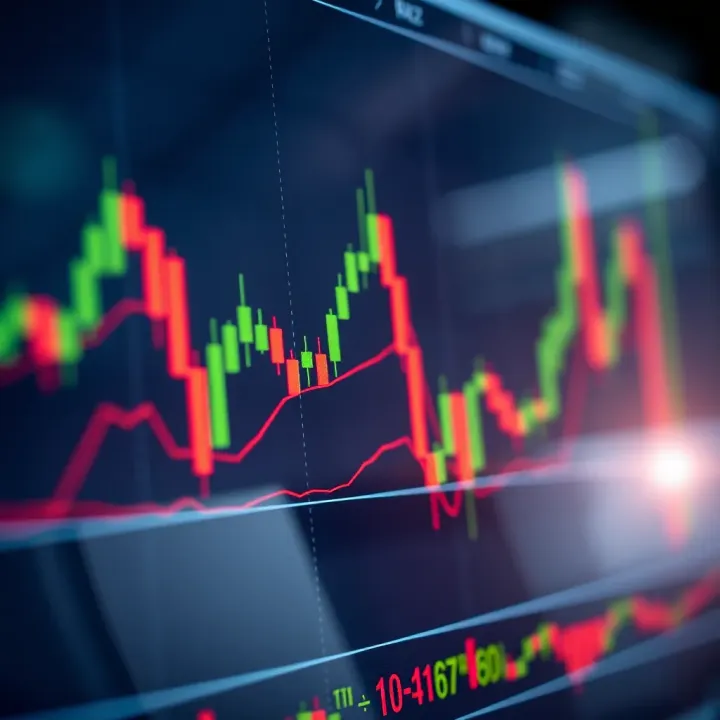
📊 Master trading graphs to boost your trading in Pakistan's markets! Learn types, interpretations & tips to spot trends and trade smart confidently.

📊 Explore trade accounts in Pakistan — types, benefits, risks, and tips on choosing, opening, and managing accounts securely for smart investments.
Based on 12 reviews