
Understanding Trading Charts for Pakistani Traders
📈 Learn how to read trading charts and spot trends effectively. A clear guide for traders in Pakistan to improve decision-making and avoid common charting mistakes.
Edited By
George Lambert
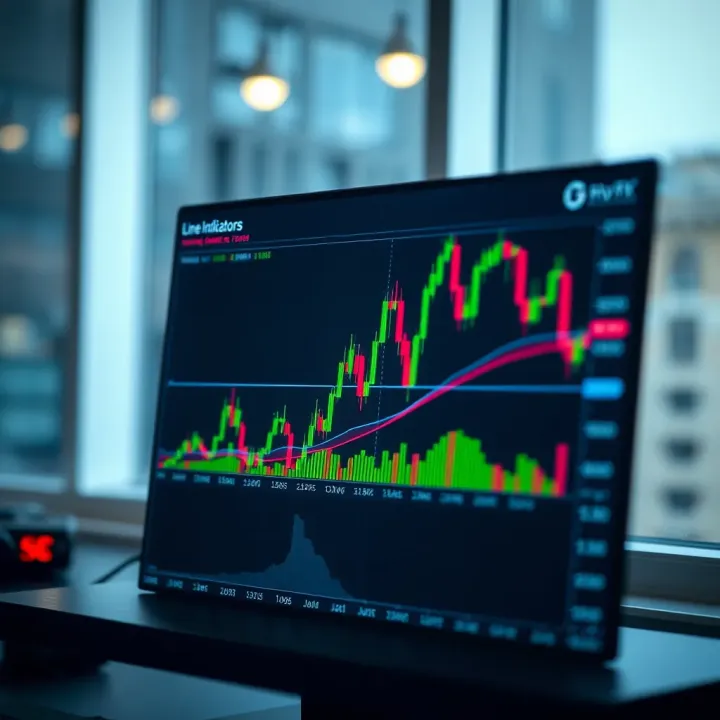
Trade charts are like a trader's map—they give a clear visual of price movements over time, making sense of what could otherwise be a mess of numbers and data. For traders in Pakistan dealing with stocks, forex, or commodities, understanding these charts isn't just useful; it's downright necessary.
You'll find that trade charts help spot trends and reversals, set entry and exit points, and even predict potential price moves based on historical patterns. But not all charts are built the same, and knowing which type to use and how to read them can be a game changer.
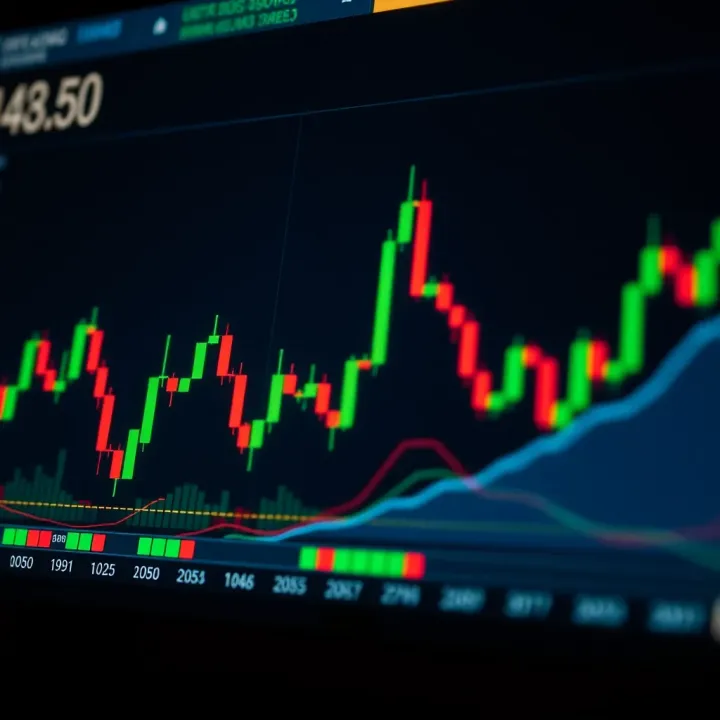
In this guide, we will break down the types of trade charts, how to interpret them, common patterns to watch out for, and how you can apply this knowledge directly to trading in Pakistan's markets. Whether you're a day trader hustling the Karachi Stock Exchange or a forex trader tracking the USD/PKR pair, this article aims to help you get a leg up.
So, buckle up for a straightforward, no-nonsense look at trade charts with plenty of practical tips tailored for you.
Trade charts are the bread and butter for anyone stepping into trading, whether you’re dabbling in stocks, forex, or commodities. Understanding the basics of trade charts gives traders a leg up, allowing them to see market movements clearly and make decisions that are more informed and timely. This section lays the groundwork by breaking down what trade charts are and why they matter so much in everyday trading.
Trade charts are visual representations that track the price movements of financial assets over time. Think of them as a snapshot diary of how an asset's price changes, displayed in a simple format like lines, bars, or candlesticks on a graph. Their main purpose is to help traders spot patterns and trends that aren’t obvious when you just look at numbers alone. For instance, a day trader in Karachi following the Pakistan Stock Exchange can quickly spot how a stock’s price behaved over hours or days, enabling quicker reaction to shifts in the market.
Without trade charts, traders would be fishing blind in a vast sea of numbers. These charts turn complex data into digestible visuals, making it easier to identify support and resistance levels, potential break-outs, or reversals. For example, a forex trader trading the USD/PKR pair can see when the price seems to be holding steady at a certain level or when it’s ready to climb — this helps in deciding when to enter or exit a trade, minimizing guesswork.
Trade charts play a critical role in helping traders make decisions grounded in real data rather than gut feelings. They provide a clear framework for technical analysis, enabling you to see the ‘story’ behind price movements. Imagine you notice a stock rising steadily on the chart for several days—this could signal a good buying opportunity. Conversely, spotting a sudden price drop can alert you to potential risk, pushing you to sell before losses mount up.
The beauty of trade charts lies in their ability to show trends, whether prices are climbing, dropping, or moving sideways over time. Recognizing these trends helps traders stay on the right side of the market. For instance, a trend following strategy relies heavily on these visual cues — if a commodity like crude oil is on an upward trend, traders might ride that wave rather than betting against it. In Pakistan’s markets, observing such trends is essential due to volatility caused by political and economic shifts.
"Understanding trade charts isn't just about seeing numbers; it’s about reading the market's language in a way that guides your next move."
By grasping the fundamentals outlined here, traders can start building the skills needed to navigate market fluctuations with more confidence and less guesswork. The next sections will dig deeper into the types of charts and how to read them effectively.
Trade charts are like the lens through which traders peek into market movements. Different types of charts offer different perspectives, each with its own strengths and quirks. Grasping the major chart types allows traders to pick the right tool for their strategy, rather than flying blind or relying on a one-size-fits-all approach. From quick glimpses of price trends to detailed insights into daily fluctuations, knowing when and how to use each chart type matters a lot.
Line charts are the simplest form of charting, connecting closing prices over a set time frame with a continuous line. Think of it as tracing a path through the end-of-day prices, ignoring the highs and lows inside that day. The resulting graph helps spot general direction — is the price trending up, down, or moving sideways?
Line charts strip the noise and focus on the "final say" of each trading session. This simplicity makes them a great starting point for beginners who want a clean overview without drowning in detail.
Line charts do well when you need a quick, broad picture—like checking how a stock has performed over the last month or year. They’re handy to confirm long-term trends or compare different assets side by side without distractions.
However, if you're hunting for precise entry or exit points, line charts fall short because they leave out intraday highs and lows. For example, a trader tracking the Pakistan Stock Exchange (PSX) for big-picture movements might rely on line charts during initial analysis before drilling down.
Bar charts pack more information than line charts by displaying four key price points for each time period: open, high, low, and close (OHLC). Each vertical line shows price range (high to low), while small horizontal ticks show where price opened (left) and closed (right).
This detail helps traders get a feel for volatility and intraday swings that line charts gloss over. For example, spotting a day where price shot up but closed lower than it opened can hint at selling pressure.
Bar charts give a fuller picture without getting as visual as candlesticks. They’re great for traders wanting more data to analyze price action but who prefer cleaner visuals.
On the downside, bar charts can be tricky for beginners to read quickly because the shapes don’t stand out as clearly—especially when viewing many bars.
For instance, a forex trader analyzing the USD/PKR pair may use bar charts to observe intraday pricing dynamics but might switch to candlesticks for spotting quick reversal signals.
Candlestick charts break down each time period into a "body" and "wicks." The body represents the price movement between open and close, while the wicks (or shadows) show the highs and lows.
If the close is higher than the open, the candle is usually green or white, indicating bullish sentiment; if lower, it’s red or black, signaling bearish pressure. This color coding immediately shows who’s in control—buyers or sellers.
Traders love candlesticks for their visual clarity and the wealth of information packed into each shape. Patterns formed by candlesticks—like hammers, dojis, or engulfing patterns—often foreshadow market moves, making them invaluable tools for timing.
In Pakistani markets, where volatility can be sudden, candlesticks help traders spot momentum shifts quickly.
Candlestick charts combine simplicity and richness, making complex price action easier to read at a glance. They’ve become the go-to choice for many, from day traders to long-term investors.
Each chart type fits a different style and objective. Familiarity with all three—line, bar, and candlestick—gives traders an edge in adapting analysis to whatever the market throws at them.
Grasping how to read trade charts effectively is a game changer for anyone in the trading arena. It’s more than just staring at lines and bars; it’s about decoding what those patterns say regarding price moves and market sentiment. When traders can interpret these charts well, they can make quicker, smarter decisions which often means better timing and more profits.
Choosing between short-term and long-term charts boils down to your trading style and goals. Short-term charts, like 5-minute or 15-minute intervals, show price movements in minute detail. They’re perfect if you’re day trading or scalping, looking to catch small market swings. For example, a forex trader in Karachi might use a 15-minute chart to decide entry and exit points within a busy trading day.
On the other hand, long-term charts — daily, weekly, or monthly — offer a broader view of price trends. These are ideal for investors who want to hold positions for weeks, months, or even years. Spotting a slow-building uptrend or downturn on a weekly chart can signal when to enter or avoid certain stocks or commodities.
Picking the right time frame means matching it with your trading strategy and risk tolerance. If you're itching for fast profits but can’t spend all day in front of screens, something like a 30-minute chart might strike the right balance. Meanwhile, cautious traders might lean on daily or weekly charts to avoid the noise and false signals common in short time frames.
It's also smart to look at multiple time frames for better confirmation — say, confirming a trend on the daily chart before acting on a 15-minute chart signal.
Recognizing the direction of price movement can save you a lot of headaches. An uptrend is basically where prices keep hitting higher highs and higher lows — imagine a staircase climbing steadily up. This signals bullish sentiment, and entering buy positions generally makes sense here.
In contrast, a downtrend is marked by lower highs and lower lows, like a slow slide downward on a snowy hill. Traders often consider selling or avoiding entry in this scenario unless they’re going short.
Then there’s the sideways market, where prices neither climb nor fall decisively, instead bouncing within a range. This can feel like being stuck in traffic; it’s often best to wait it out or use range-trading strategies to take advantage of predictable support and resistance levels.
Understanding these trends isn't just academic — it directly impacts your trading decisions, risk management, and ultimately your bottom line.
Spotting these trends early enhances your chance to align trades with the market’s pulse, rather than swimming against the current. For instance, in Pakistan’s stock market context, seasonal patterns sometimes create predictable trends — being able to spot these on the chart gives a trader an edge.
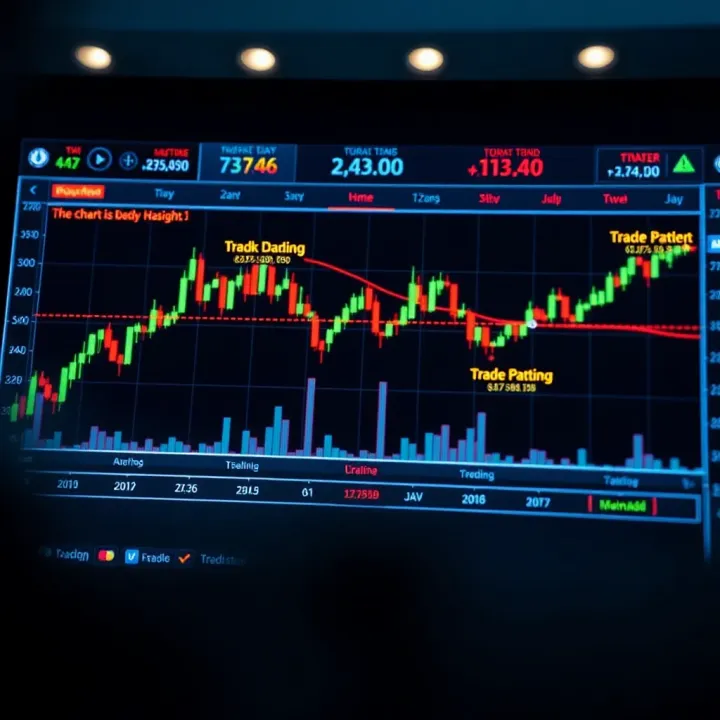
By mastering time frame selection and trend recognition, you'll be setting a solid foundation to read trade charts like a pro, positioning yourself ahead rather than playing catch-up. This forms a critical step in developing an effective trading strategy that’s not only informed but also practical and profitable.
Recognizing patterns on trade charts is like having a roadmap for what might happen next in the market. These common patterns help traders spot potential reversals or continuations in price movements, making their decisions based on more than just guesswork. In practice, knowing these shapes and formations allows traders to position themselves ahead of likely price shifts, improving entry and exit timing.
The head and shoulders pattern is arguably one of the most reliable signals that a trend is about to change. It resembles a baseline with three peaks—the middle peak (the head) is the highest, flanked by two smaller peaks (the shoulders). For example, if you notice this forming after a sharp upward trend in a stock like Pakistan Stock Exchange’s K-Electric, it often signals a coming downturn.
This pattern is important because it indicates that the buyers' strength is fading, and sellers may start to take control. Traders use this as an early warning to sell or short the asset before the price declines further. Key characteristics include:
A well-defined left shoulder with rising prices
A higher peak forming the head
A lower right shoulder
A neckline connecting the lows between shoulders and head
Once the price breaks the neckline, it typically confirms the reversal, prompting traders to act.
Double tops and bottoms signal another common reversal pattern. A double top looks like an ‘M’ shape, where the price hits a resistance level twice and fails to push higher, often followed by a downtrend. Conversely, a double bottom forms a ‘W’ shape, bouncing off support twice, signaling an upcoming uptrend.
For instance, if a Forex pair traded on Pakistan Mercantile Exchange repeatedly reaches PKR 180 twice but can’t break through, it forms a double top, suggesting sellers are stepping in hard at that price. Key points to watch:
Price attempts to break a level twice but fails
Volume often spikes during the pattern’s formation
Confirmation comes when price breaks below the support (double top) or above resistance (double bottom)
Reacting to these patterns means jumping on trend changes early, reducing losses or catching fresh upward moves.
Triangles are patterns that suggest a pause before the previous trend continues. They’re formed by drawing converging trendlines around price action, typically categorized as ascending, descending, or symmetrical.
Say, a commodity on the Karachi Commodity Exchange is steadily rising, then starts moving within a narrowing price range, forming a symmetrical triangle. This pattern says: traders are indecisive but ready to pick a side. Once price breaks out above or below the triangle lines, it usually follows the direction of a prior trend—up or down.
Crucial points:
Triangle shape with clear converging lines
Volume typically decreases inside the triangle
Breakout direction is vital for trading decisions
This gives traders a neat signal to either hold their position or prepare to jump back in after the breakout.
Flags and pennants look like brief pauses during strong price moves, often seen as small rectangular or triangular shapes immediately following a sharp upward or downward impulse. Imagine a quick run-up in shares of Engro Corporation, then a tight sideways channel—this forms a flag pattern. Pennants look similar but are shaped like small triangles.
These patterns are important because they hint that the current trend is merely taking a short breather before continuing forward. Traders watch for a breakout from these formations as a clue to keep riding the trend. Main features include:
Formed after a big price move
Relatively small price range compared to previous move
Volume usually drops during the flag or pennant
Breakout in trend’s original direction confirms continuation
Knowing these patterns helps traders avoid jumping the gun during breaks and instead enter at better points, lessening risks.
In short, spotting these common chart patterns isn't just about identifying shapes, it’s about reading market psychology and positioning yourself smartly. Whether it’s a head and shoulders hinting at a reversal, or a flag suggesting the trend will go on, these tools can make your chart reading sharper and your trading more confident.
Technical indicators are like the spices in your kitchen—without them, charts might feel flat and uninspiring. They add depth and context to raw price data, helping traders figure out potential future moves in a market that's often unpredictable. Whether you're dealing with the Pakistan Stock Exchange or forex pairs like USD/PKR, these indicators assist in chopping through the noise.
Indicators work alongside trade charts by analyzing past price and volume data, then producing metrics that hint at trends, momentum, or market strength. This extra layer of insight can prevent hasty decisions based solely on visual patterns and bring in a bit of math-backed confidence.
Imagine you're tracking a marathon runner by averaging their speed over the last few kilometers instead of every single step—they're less jumpy, more stable, right? That's what a moving average does for price data. It smooths out the ups and downs to highlight the overall direction.
There are two main types traders often use: simple moving averages (SMA), which take a straightforward average over a set period, and exponential moving averages (EMA), which give more weight to recent prices and react quicker to changes.
In real trading, a 50-day SMA is popular for spotting longer-term trends, while a 20-day EMA picks up on recent shifts. Crossovers between short and long-term moving averages can signal entry or exit points—like when the 20-day EMA crosses above the 50-day SMA, indicating a potential buy signal.
RSI is a momentum indicator that oscillates between 0 to 100, showing whether a stock or currency is overbought or oversold. When RSI is above 70, it suggests the asset might be overbought and due for a pullback. Below 30 implies oversold conditions and a chance for prices to bounce back.
For traders in Pakistan, RSI can be especially handy during volatile times—say, when political news sparks rapid price moves in companies like Engro or foreign exchange markets. It’s a useful tool to avoid chasing moves that might fizzle out.
Charts can sometimes be deceiving; what looks like a trend might be a blip. This is where indicators back up what you see on the chart. Moving averages, for instance, can confirm if an uptrend is stable or if it’s only short-lived.
Imagine the Karachi Stock Exchange index forming a pattern that looks bullish. If the RSI is also trending upward but hasn't hit the overbought zone yet, it strengthens the signal that the uptrend might continue.
Deciding when to jump into a trade or cash out is often the toughest call. Indicators help with timing by highlighting certain conditions. For example, when the 14-day RSI dips below 30, it may be a good time to consider entering a buy trade, especially if other signs agree.
Moving average crossovers provide another clear trigger: a short-term average crossing above a long-term average can indicate a buy, while the reverse suggests selling.
Using technical indicators smartly, rather than relying solely on them, can save traders from costly mistakes and improve timing. Never forget to pair them with proper risk management.
By combining these techniques with clear chart reading skills, traders can sharpen their strategy and make more informed moves in the market, especially in dynamic environments like Pakistan's financial markets.
Trade chart software and tools play a major role in modern trading, especially for those who keep an eye on Pakistan’s fast-moving markets. These tools provide traders with real-time data, detailed charting options, and allow for quick analysis that manual methods simply can’t match. Relying on a good platform can mean the difference between spotting a market move early and missing the boat entirely.
Using software tailored to trading helps you visualize price trends, plot indicators like moving averages, and track volume with ease. Moreover, it brings convenience by letting you customize settings according to your style, whether you’re a day trader checking minute-by-minute moves or a longer-term investor watching weekly charts.
When picking trade chart software, there are a few must-have features to watch out for. First, look for customizable chart types—candlestick, bar, and line charts should all be an option. Next, ensure the platform supports multiple timeframes, from 1-minute ticks up to monthly views, so you can toggle easily between short and long-term perspectives.
Additional bells and whistles like drawing tools (trend lines, Fibonacci retracements), access to various technical indicators (RSI, MACD, Bollinger Bands), and alerts for price movements are highly useful. Plus, integration with trade execution platforms is a bonus if you want to act on your analysis without juggling multiple windows.
Make sure the platform offers reliable data feeds, as stale or delayed info can cost you dearly. In Pakistan, where timely info is key due to volatile markets, speed matters.
Even the most feature-rich tool is a dud if it’s a pain to use. A clean, intuitive interface helps traders focus on analysis rather than fumbling through complicated menus. This means clear charts, easy navigation, and quick access to frequently used features.
For newcomers and busy professionals alike, a platform that doesn’t overwhelm with clutter encourages daily use and keeps decision-making swift. Think along the lines of what you see with platforms like MetaTrader 4 (MT4) or TradingView—they balance power with ease, reducing the learning curve.
Many platforms also provide mobile versions. This is crucial for traders on the go in Pakistan’s busy cities—being able to check charts or close trades from your phone can make a real difference.
In Pakistan, local brokerage firms often provide specialized platforms tailored for the Pakistan Stock Exchange (PSX). Popular ones include Pakistan Stock Exchange’s own web portal with integrated chart tools, and software like JS Global Capital’s trading platform. These local tools often include market-specific news and analysis which international platforms might not cover adequately.
They generally support basic to intermediate charting features, enough for most retail traders to get a grip on price action and patterns specific to local equities and commodities like cotton or sugar.
For traders wanting a broader canvas or more advanced tools, international platforms are a solid bet. MetaTrader 4 and MetaTrader 5 are widely used, especially for forex and CFDs, thanks to their extensive indicator libraries and automated trading capabilities.
TradingView is another favorite due to its web-based nature and community-shared ideas and scripts. It supports multiple asset classes and is great for Pakistan traders looking at both local and global markets simultaneously.
Platforms such as Thinkorswim by TD Ameritrade or Interactive Brokers provide professional-grade tools, though access might require setting up international brokerage accounts.
Choosing the right charting tool depends on your trading needs, market focus, and convenience. For traders in Pakistan, tapping into both local platforms for market-specific insights and international software for richer tools strikes a good balance.
By understanding what each platform offers and matching it with your trading style, you'll set yourself up for clearer insights and more confident decisions.
Many traders fall into traps with trade charts that can cost them money and confidence. Understanding the common mistakes helps avoid pitfalls and improves the quality of your trading decisions. Trade charts, after all, are only as good as how you use and interpret them.
Traders often think more is better — piling on multiple indicators and cluttering the screen. Yet, this rarely helps. Another frequent slip-up is not aligning your chosen time frame with your trading plan. These errors can confuse rather than clarify, leading to missed opportunities or premature trades.
It’s tempting to add every fancy technical indicator you can find — RSI, MACD, Bollinger Bands, Fibonacci retracements, and the list goes on. But piling up too many indicators often muddies the picture instead of refining it. When indicators contradict one another, decision-making gets swamped in noise.
Focusing on a few trusted indicators relevant to your strategy is more practical. For example, if you’re trading in Pakistan’s stock market using candlestick patterns, combining just moving averages with Relative Strength Index (RSI) can give a clearer sense of trend strength and momentum. Keep it lean to avoid paralysis by analysis.
While indicators are helpful, the backbone of chart reading often lies in recognizing key price patterns — head and shoulders, double tops, triangles, flags, etc. These patterns distill complex price actions into simple visual cues about potential reversals or continuations.
Beginner traders should prioritize mastering a few essential chart patterns before expanding their toolkit. This focus helps build confidence and accuracy rather than chasing every fleeting price signal.
A 5-minute chart and a daily chart tell very different stories. Swing traders using daily or weekly charts seek longer-term trends and bigger moves, while day traders zoom in on 1-minute or 15-minute charts for quick trades.
Ignoring the match between your trading style and the chart’s time frame can lead to poor entries and exits. For instance, a trader applying scalping tactics on a weekly chart will miss the whole point of their strategy, just like a position trader obsessing over 5-minute ticks may overreact to normal market noise.
In short, always pick a time frame that aligns with your trading horizon, be it intraday, swing, or long-term investing. This alignment improves signal reliability and reduces unnecessary trading stress.
Remember: Trade charts are tools, not crystal balls. Avoid clutter, stick to key patterns, and match charts to your style to trade smarter and not harder.
Getting started with trade charts can be a bit overwhelming, especially if you’ve never dug into trading tools before. This section lays out straightforward tips tailored for beginners, helping break down complex ideas into easy steps. For traders in Pakistan or anywhere, mastering chart basics early can save you from costly mistakes and build a solid foundation for smarter trades.
Candlestick charts are a favorite for many traders because they pack a lot of info into a simple visual. Each candlestick shows the open, close, high, and low prices for a specific timeframe — say, 15 minutes or 1 day. Beginners should spend some time just getting comfortable identifying the body (the wide part) and shadows (the thin lines) of these candlesticks, plus whether the candle is bullish (green or white) or bearish (red or black).
For example, a long green candle with little shadow means strong buying pressure. Spotting this early in a trading day could suggest momentum is building. Learning a few common candlestick patterns like the "hammer" or "doji" helps beginners guess where prices might turn next.
Starting simple helps you build confidence without getting bogged down by too many details. Focus on reading one chart type well before layering on other data or indicators. When you're comfortable spotting basic price moves and patterns, you can slowly add complexity.
Don't rush to jump into real trades too quickly. Confidence comes from experience — the more you practice interpreting charts, the easier it gets to trust your instincts and make quick decisions. It’s like learning to drive in an empty parking lot before hitting busy streets.
One of the smartest ways to build trading skills without the stress of losing money is by using demo accounts. Most Pakistani brokers and platforms like MetaTrader 4, TradingView, or IG offer demo versions where real market data flows but your money stays virtual.
By applying your chart reading skills on a demo account, you can test if a pattern you spotted or strategy you devised really works out. This trial run highlights strengths and weaknesses without the downside of actual losses. It’s like a sports team running scrimmages before the championship game.
Start by recreating simple trades based on your chart observations, then review results honestly. Which patterns predicted a price jump? When did you get it wrong? Demo trading lets you learn these lessons firsthand. Once you feel comfortable and see consistent success on a demo account, moving to a real account gets less daunting.
Remember, no trader becomes expert overnight. Patience, practice, and steady learning are the keys to making trade charts your own valuable tool.
Integrating trade charts into a trading strategy means more than just glancing at price movements. It’s about using those visuals as part of a broader approach where decisions are made based on both numbers on a chart and the bigger picture, like market news or economic data. For traders in Pakistan and elsewhere, this combined approach can make the difference between random guesses and calculated moves.
When you blend chart analysis with other information, you build a strategy that can adapt to changing market conditions. Whether you’re trading stocks on the Pakistan Stock Exchange or forex pairs, successful trading often hinges on this integration.
Balancing chart reading with news events is a practical approach that helps traders not just react to price patterns but understand why those patterns form. For instance, if a company listed on the PSX reports better-than-expected earnings, its stock might break out of a resistance level on the chart. Recognizing this news alongside the chart signal can confirm whether it’s a good entry point.
Practical ways to apply this include:
Following reputable financial news sources alongside your chart analysis.
Watching for macroeconomic indicators like inflation reports or Central Bank of Pakistan policy decisions which can shift market sentiment rapidly.
Avoiding trades just based on technical signals without checking if a major event might invalidate them.
By bringing news events into your chart reading routine, you’re less likely to be caught off guard by sudden price moves, and more likely to spot real trends developing.
One common pitfall for traders attracted to charts is overtrading—doing too many trades in quick succession, often reacting emotionally to minor price movements. Setting realistic goals based on clear chart patterns helps keep this in check. For example, if a double top pattern indicates a potential trend reversal, it’s wiser to wait for confirmation rather than jumping in on every small signal.
Setting profit targets and stop losses according to historical support and resistance levels is a practical routine to avoid chasing the market. This disciplined approach not only preserves capital but also reduces stress.
Timing your entry and exit points using chart patterns can greatly improve your odds of success. Suppose the RSI shows an oversold condition at the bottom of a well-defined uptrend; this setup could give you a better chance to enter at a lower price. Similarly, recognizing bearish candlestick patterns near a resistance level can signal the right moment to exit.
To put it simply, use your charts to plan where to jump in and exactly when to get off. This prevents holding onto losing trades for too long or missing out on profits.
Successful traders don’t just see charts as pictures. They treat them as tools to make clearer, more calculated decisions by combining what the price shows and what the wider market says.
Bringing all this together, integrating trade charts into your overall trading strategy sharpens your decision-making process. It offers greater clarity on when to act and how to manage your trades in a disciplined way that suits your goals and market conditions.
📈 Learn how to read trading charts and spot trends effectively. A clear guide for traders in Pakistan to improve decision-making and avoid common charting mistakes.

📊 Explore trade accounts in Pakistan — types, benefits, risks, and tips on choosing, opening, and managing accounts securely for smart investments.
💹 Learn how to trade CFDs in Pakistan with this practical guide. Understand basics, strategies, risks, and local regulations to trade smart and safe!

📈 Learn how to trade cryptocurrency in Pakistan with our practical guide! Discover key tips, platform choices, risk management, and security advice for safe trading.
Based on 5 reviews