

Understanding TradingView: Features and Benefits
Explore TradingView's powerful charting tools 📈, customizable features, and social trading benefits to boost your market analysis and decision-making in Pakistan.
Edited By
Charlotte Price
Exclusive markets refer to business segments where products or services are available only to a limited group of consumers. These markets thrive on scarcity, premium pricing, and brand reputation. Unlike mass markets, exclusivity restricts access, which often raises the perceived value among buyers.
In Pakistan, examples include luxury cars like BMW and Mercedes-Benz, high-end fashion labels, and upmarket real estate in areas like Defence Housing Authority (DHA) or Bahria Town. These markets operate under conditions where supply often deliberately remains tight or tailored to select clientele.
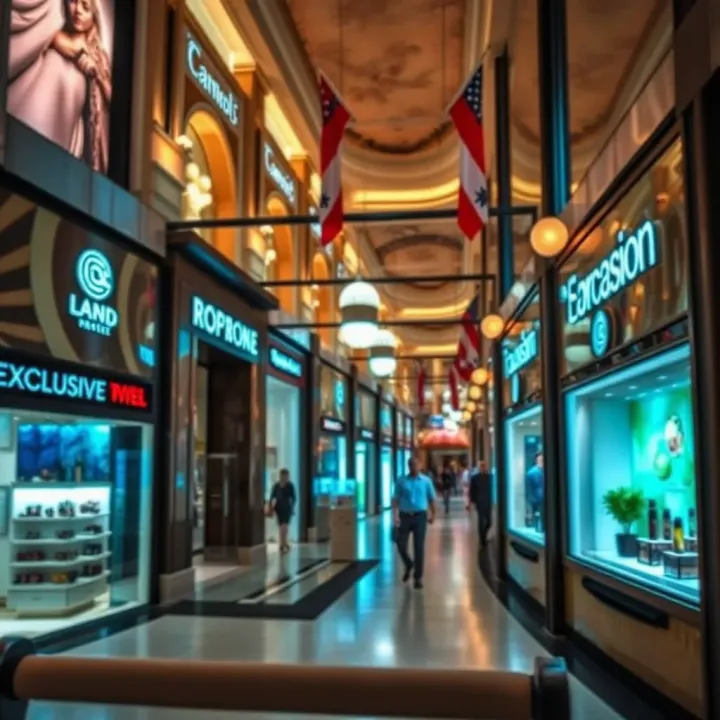
Limited availability: Products or services are not mass-produced or widely distributed.
Premium pricing: Higher cost reflects exclusivity and quality.
Strong brand identity: Brands rely heavily on image and reputation.
Selective consumer base: Access may require certain income levels, membership, or social status.
Exclusive markets command attention because of the prestige and trust they build, which drives consumer loyalty even in competitive environments.
Understanding these features is important for businesses and investors aiming to tap into niche segments. Companies benefit from higher margins and reduced price sensitivity among buyers. Consumers, on the other hand, seek uniqueness and superior quality.
With Pakistan’s growing middle and upper classes, exclusive markets are gradually expanding beyond traditional luxury goods to include areas like bespoke travel, gourmet food, and premium technology products. Recognising shifts in consumer behaviour and economic factors shapes how stakeholders approach these segments.
This introduction sets the stage to explore the benefits, challenges, and current trends shaping exclusive markets both nationally and globally.
Understanding what makes a market exclusive is fundamental for traders, investors, and analysts focusing on niche opportunities. An exclusive market operates beyond ordinary supply and demand, with unique factors restricting access or availability. These factors create a valuable space for businesses that offer limited products or otherwise specialised services, giving them a competitive edge and helping them command premium pricing.
Limited availability of products or services drives exclusivity by design. For example, only a handful of Pakistani brands might produce handcrafted Peshawari chappals using traditional methods, limiting supply but attracting customers who seek authenticity and craftsmanship. This scarcity adds real value and justifies higher prices, especially as consumers cannot simply find the same product elsewhere.
High entry barriers for competitors further define exclusive markets. These barriers may include significant investment in specialised knowledge, rare resources, or regulatory approvals. Take the luxury car segment in Pakistan: assembling and selling premium international brands requires dealership rights, authorised service centres, and extensive capital. These hurdles keep competition limited, helping established players maintain market control.
Targeting affluent or specialised consumer groups is key. Exclusive markets cater to customers valuing distinction or specialised needs. For instance, private educational institutions offering international curricula or overseas consultancy services in cities like Karachi and Lahore serve a small, affluent clientele seeking quality beyond mass-market options. Focusing on such groups allows businesses to deliver tailored experiences and maintain exclusivity.
Role of quality and craftsmanship cannot be overstated. Genuine exclusivity roots itself in exceptional quality that standard products can't match. For instance, Pakistani luxury textile brands such as Khaadi or Sana Safinaz maintain their exclusivity by using premium fabrics and intricate embroidery. This dedication ensures customers associate the brand with top-tier craftsmanship.
Brand reputation and identity help sustain exclusivity over time. Strong brands convey trust and aspirational value, which appeal to consumers who seek more than just products; they want a statement. Brands like Hublot watches or Luxus Pakistan have cultivated distinct images of prestige, making their products scarce status symbols.
Controlled distribution channels play an important role in limiting market access. Instead of widespread availability, exclusive products often have tightly managed releases through select boutiques or authorised dealers. For example, designer wedding outfits in Pakistan might be available only at specific exhibitions or flagship stores, preserving scarcity while enhancing perceived value.
Exclusivity is not simply about limiting products but about creating a unique market identity that balances scarcity, quality, and brand trust. This approach safeguards premium pricing and customer loyalty.
This understanding helps investors and businesses to evaluate market positions critically and identify where exclusivity can be a sustained competitive advantage.
Exclusive markets cover niche areas where products or services cater to a select group, often with high entry barriers and specialised demands. Understanding the types of these markets helps investors and businesses target opportunities wisely and manage risks properly, especially in a growing economy like Pakistan's.
Fashion and accessories play a significant role in exclusive markets by appealing directly to high-net-worth consumers who seek unique styles and craftsmanship. Pakistani luxury fashion often includes hand-embroidered couture from cities like Lahore and Karachi, where designers produce limited collections that command premium prices. The rarity and brand reputation of such pieces maintain exclusivity, ensuring these products hold value beyond their material cost.
Premium automobiles represent another key segment, where exclusivity arises from price, technology, and brand image. Imported vehicles from brands like Rolls-Royce, Bentley, and Mercedes-Benz attract affluent buyers in Pakistan’s metropolitan centres who look for status symbols alongside performance and comfort. The high cost of ownership, coupled with limited availability, keeps competition at bay and allows manufacturers to maintain strong margins.
Upscale real estate also falls under exclusive markets, especially in areas like Defence Housing Authority (DHA) and Bahria Town, where plots and villas come with elite amenities and security. These properties offer not just shelter but prestige and potential asset appreciation. Investors and buyers in this market prioritise location, architectural design, and privacy, making these homes status-defining assets.
High-end consultancy and advisory services cater to clients looking for tailored solutions in finance, management, or legal advice that far exceed standard offerings. Pakistani firms targeting corporates or wealthy individuals provide personalised strategies, often confidential, which justify premium fees. This market thrives on expertise reputation and client trust.
Exclusive educational programmes focus on quality and limited enrolment, serving students willing to pay for enhanced learning experiences, such as international curricula or specialised coaching. Examples within Pakistan include A-Level programmes at select private schools or niche professional training centres that prepare candidates for competitive exams like CSS or medical entrance tests.
Private health care options in the exclusive segment offer personalised treatment, advanced technology, and privacy that government or general clinics cannot. Facilities like Shifa International Hospital or Aga Khan University Hospital provide such high-end services, attracting patients who prioritise comfort, specialised expertise, and prompt care.

Exclusive markets are distinct due to their focus on quality, limited availability, and catering to select consumer segments. Understanding these types helps business leaders and investors identify their niche and build strategies that fit the market's unique dynamics.
This targeted overview enables professionals to assess where exclusivity delivers tangible value and where investment in differentiation yields the best returns.
Operating in exclusive markets brings several tangible benefits to businesses, particularly in regard to profitability and brand reputation. These markets create an environment where companies can charge premium prices due to limited competition, and simultaneously build strong, lasting relationships with discerning clients. This section explores these advantages in detail, illustrating their practical relevance.
Pricing power due to limited competition is one of the main advantages businesses enjoy in exclusive markets. When products or services target a narrow audience with specific needs or status aspirations, competition tends to be scarce. For instance, luxury watchmakers like Rolex or boutique fashion labels can set higher prices knowing their clientele values rarity and craftsmanship. This pricing freedom significantly boosts profit margins, making exclusive markets attractive despite serving fewer consumers.
Beyond pricing, building long-term client relationships is essential in such markets. Exclusive buyers often return, valuing personalised experience and trust. Companies like bespoke tailoring houses in Karachi provide clients with customised fittings, establishing loyalty that translates to repeat business and word-of-mouth referrals. These relationships also allow brands to anticipate clients’ evolving preferences, helping them stay relevant in a niche market.
Creating aspirational value helps businesses position themselves as symbols of success or fine taste. When a brand cultivates exclusivity, it doesn’t just sell a product; it sells a lifestyle that consumers aspire to join. Take Pakistan’s burgeoning luxury textile brands that appeal to elite consumers during wedding seasons. Their carefully crafted image attracts buyers looking to make a statement, reinforcing the brand’s premium standing and encouraging higher spending.
Enhancing perceived quality and trust is closely tied to maintaining exclusivity. Brands in exclusive markets must consistently communicate superior craftsmanship, authenticity, and durability to justify their premium prices. For example, premium automobile showrooms in Islamabad focus heavily on service quality and after-sales support, reassuring buyers about their investment. This trust leads to positive brand perception and increases the likelihood of customer recommendations and loyalty.
Businesses in exclusive markets enjoy tangible benefits like better profit margins and enduring customer loyalty, but must carefully manage their brand image to maintain exclusivity and justify premium pricing.
In summary, the combination of pricing power, deep client relationships, aspirational branding, and trust-building enables companies in exclusive markets to thrive, even in challenging economic climates. For traders and investors analysing these sectors in Pakistan, understanding these factors is key to spotting sustainable growth opportunities.
Understanding consumer behaviour is essential for operating in exclusive markets because it reveals why buyers prefer specialised products and how companies can cater to these motivations. Unlike mass markets, consumers in exclusive markets often seek more than just functionality; their choices reflect deeper psychological needs and social aspirations. This makes it vital for businesses, traders, and analysts to grasp the driving factors behind such purchasing decisions.
Desire for status and distinction plays a major role in exclusive market dynamics. People often buy luxury watches, branded cars, or designer clothes to signal their social standing and distinguish themselves from others. For example, owning a limited-edition sapphire dial watch from a Karachi-based luxury brand can provide a strong sense of prestige among peers. This signalling effect is especially relevant in Pakistani urban centres like Lahore and Islamabad, where social circles value visible symbols of success.
The perception of superior quality is another key motivation. Consumers associate exclusivity with craftsmanship and durability. For instance, premium Pakistani leather goods from trusted ateliers are preferred over cheaper alternatives because buyers believe these items last longer and have finer detailing. This perceived quality justifies higher prices and fosters trust, which becomes crucial for repeat sales and brand loyalty.
Limited access often creates a sense of privilege among buyers. When products are only available through select boutiques in Karachi or Islamabad or via invitation-only events, consumers feel part of an elite group. This exclusivity not only increases desirability but also supports the product’s value retention. For example, limited-run handcrafted jewellery collections often sell out quickly, emphasising the privilege of ownership.
Counterfeit products and authenticity concerns pose serious risks for exclusive markets. Buyers worry about fake versions of luxury brands flooding the bazaar, especially for goods like designer handbags or watches. This erodes trust and can harm genuine brands’ reputations. Pakistani businesses combat this by embedding unique serial numbers, holograms, or certificates issued by reputable authorities to assure authenticity.
Maintaining consistent quality standards is critical to sustaining consumer confidence. Even brief lapses in craftsmanship or service can alienate buyers who expect perfection. For example, an exclusive health care clinic offering premium services in Lahore must ensure every patient interaction reflects the highest standards, or risk losing loyal customers. Businesses often invest heavily in staff training and quality audits to maintain these consistent experiences.
In exclusive markets, consumer choices reflect a blend of emotional and practical factors. Companies that tune into these motivations and adequately address trust challenges can better position themselves for long-term success.
Understanding consumer behaviour here not only helps shape marketing strategies but also informs product development, pricing, and customer service to meet the precise needs of high-end clientele.
Exclusive markets come with distinct challenges that businesses must carefully manage to maintain their competitive edge and market position. Understanding these hurdles is crucial for traders, investors, and financial analysts who navigate these niche sectors. From the high cost of market entry to the influence of economic trends, each risk can directly affect profitability and brand sustainability.
High capital requirements: Entering an exclusive market typically demands significant investment in quality materials, skilled craftsmanship, and superior service infrastructure. For instance, a Pakistani designer aiming to launch a luxury fashion label must invest heavily in sourcing premium fabrics, training artisans, and marketing to affluent buyers. This upfront cost can be a major barrier for smaller businesses or startups, limiting market access and protecting established players.
Such capital intensity also extends to maintaining exclusivity. Companies need to continuously invest in brand development and controlled distribution channels to uphold their exclusive reputation. Without sustained funding, the brand risks dilution or losing its appeal among its discerning clientele.
Protecting intellectual property and trademarks: Safeguarding unique designs, brand names, and logos is vital in exclusive markets where brand identity drives value. Intellectual property (IP) theft or counterfeit products can seriously damage a company’s reputation and revenue. In Pakistan, luxury watchmakers and high-end apparel brands face challenges from imitation products available in markets like Karachi or Lahore, undermining authenticity.
Protecting IP involves legal registration of trademarks and designs, constant market vigilance, and swift action against infringers. Collaborations with enforcement agencies and educating consumers about genuine products help build trust, which is essential to sustaining exclusivity.
Impact of economic downturns on luxury spending: Economic volatility directly affects exclusive market demand. During downturns, discretionary spending on luxury goods tends to decline as consumers prioritise essential over aspirational purchases. For example, during periods of fluctuating exchange rates or inflation spikes in Pakistan, even high-net-worth individuals may cut back on expensive real estate or international holidays.
Businesses in exclusive sectors must therefore prepare for cyclical demand and diversify offerings to balance risk. Flexible pricing strategies and targeted marketing towards resilient customer segments can help cushion the impact of economic slowdowns.
Changing consumer values and cultural shifts: Social trends in Pakistan increasingly influence how consumers perceive exclusivity. Younger generations may prioritise sustainability or ethical production over traditional status symbols. This shift challenges brands to adapt their products and storytelling to remain relevant.
For instance, a luxury leather goods maker might find growing demand for environmentally friendly alternatives or transparency about labour practices. Brands ignoring these cultural changes risk losing connection with new customer bases, which can erode long-term market stability.
Navigating the complexities of exclusive markets requires not only capital and legal safeguards but also keen awareness of economic and social dynamics. Staying ahead involves adapting to these risks without compromising the core exclusivity that defines these markets.
High capital costs and IP protection secure entry and reputation.
Economic downturns can reduce luxury spending, requiring market agility.
Cultural shifts demand changes in product and brand positioning.
Each challenge demands careful strategy to keep exclusive markets profitable and sustainable in Pakistan’s evolving landscape.
Pakistan's exclusive markets are evolving with fresh trends driven by shifts in consumer behaviour and technological advances. Understanding these trends is key for traders, investors, and analysts looking to tap into this niche yet growing segment of the economy. These trends not only influence demand patterns but also impact how brands position themselves for success amid rising competition.
Rising market demand for Pakistani craftsmanship is gaining momentum as more consumers appreciate traditional artistry mixed with contemporary design. High-quality embroidered fabrics, handwoven textiles, and intricate jewellery handcrafted by local artisans have seen renewed interest. This demand is driving both domestic sales and exports, providing significant opportunities for skilled craftsmen in cities like Lahore, Karachi, and Sialkot. For investors, tapping into these craftsmanship-led brands offers access to a market where exclusivity is defined by heritage and quality rather than just price.
Emergence of boutique labels is another key trend reshaping Pakistan’s luxury landscape. Smaller, independent designers create limited collections that blend cultural aesthetics with modern trends, targeting the upper-middle class and expatriates craving authentic yet fashionable products. These boutique brands thrive on exclusivity through limited runs and personalised service, distinguishing themselves from mass-produced luxury items. For market watchers, these labels signal a shift towards diversified offerings, providing fresh investment and partnership opportunities beyond established luxury houses.
Online exclusivity and limited edition releases have become effective strategies for luxury brands in Pakistan to engage a growing tech-savvy clientele. Brands are now launching limited edition collections via social media or dedicated e-stores, creating buzz and urgency around rare items. This approach not only maintains exclusivity but also broadens reach beyond traditional retail locations. For financial analysts tracking luxury consumption, the rise of online-only exclusives highlights changing buying habits influenced by convenience and social media trends.
E-commerce platforms supporting premium segments like Daraz’s luxury section and specialised boutique sites play a vital role in making exclusive products accessible without losing the premium appeal. These platforms offer curated selections with guarantees of authenticity and return policies that build consumer trust—crucial in markets prone to counterfeit risks. From a business perspective, such e-commerce channels reduce overhead costs and vet new customer bases efficiently, facilitating smoother market entry and growth for luxury brands.
The synergy of local craftsmanship revival and digital innovation is shaping the future trajectory of Pakistan’s exclusive markets, marking opportunities for strategic investments and smart marketplace positioning.
Exclusive markets demand more than just quality products—they require deliberate strategies to maintain their unique position and appeal. Success here hinges on consistently delivering exceptional quality and authenticity, while nurturing strong, lasting relationships with customers. Businesses that focus sharply on these areas often stand out, creating an aura of exclusivity that consumers seek.
Investing in craftsmanship and materials is the backbone of exclusivity. For example, a Pakistani luxury lawn brand that sources premium fabric and collaborates with skilled artisans ensures every piece reflects superior workmanship. The commitment to such detail sets the brand apart from mass-market competitors, justifying higher prices and retaining discerning customers.
Quality investment does not stop at raw materials; it includes ongoing training for staff and quality control at every stage. This careful attention guarantees that the end product lives up to the brand’s promise, which builds a reputation that remains untarnished over time.
Guaranteeing genuine product experiences plays a critical role in fostering customer trust. Introducing anti-counterfeit measures like unique serial numbers or holographic tags protects both the brand and consumers from fake products. For instance, luxury handbag producers often use these features to authenticate their goods, ensuring buyers receive genuine articles.
Additionally, providing real product experiences through sample events or exclusive previews allows customers to connect with the brand emotionally. This transparency reassures buyers about authenticity, discouraging doubts that often accompany high-priced items.
Personalised services and exclusivity events create a sense of belonging among buyers. Tailoring customer interactions, such as offering bespoke product options or private shopping appointments, makes clients feel valued. Premium Pakistani jewellers hosting invite-only exhibitions for loyal customers illustrate how personal touch strengthens brand loyalty.
Exclusive events further enhance loyalty by rewarding patrons with unique experiences unavailable to the general public. These carefully crafted occasions promote word-of-mouth endorsements and build long-term engagement.
Effective communication of brand story helps differentiate a company in competitive exclusive markets. Sharing the narrative behind the brand’s origins, values, and craftsmanship encourages emotional connections with consumers. Pakistani brands like Sadequain or Gul Ahmed often highlight their rich heritage and artisan partnerships, appealing to national pride and cultural identity.
Clear, consistent storytelling through marketing materials, social media, and direct customer communication reinforces brand authenticity. It also explains why the products command premium pricing, making the customer journey transparent and compelling.
Building success in exclusive markets requires a blend of unwavering quality and genuine connection with customers. When brands commit to these strategies, they not only survive but thrive in competitive arenas.
Invest in superior materials and skilled craftsmanship
Incorporate anti-counterfeit protections for authenticity
Offer personal, tailored services and exclusive events
Tell a compelling brand story that resonates with customers
These strategies ensure brands stay relevant and respected in exclusive market segments, particularly in Pakistan's growing luxury landscape.
Explore TradingView's powerful charting tools 📈, customizable features, and social trading benefits to boost your market analysis and decision-making in Pakistan.

Explore web trading platforms ⚡️: their features, benefits, tech, security, and tips to choose the best platform for traders in Pakistan 🇵🇰.

📉 Discover how derivative P2P markets in Pakistan enable direct trading of contracts without intermediaries. Learn the risks, regulations, and opportunities for investors.

📈 Discover how trading chat platforms help Pakistani traders share strategies and insights in real time while managing risks and maximizing gains.
Based on 5 reviews