

Complete Guide to Trading PDF Books
📚 Discover how trading PDF books can boost your skills! Learn to manage risks, grasp market trends & find reliable resources for smarter trading.
Edited By
Jessica Morgan
Trading books have always been a cornerstone for anyone keen on mastering the markets, but finding the right resources can sometimes be a hassle, especially in digital form. PDF trading books come handy, offering portability and easy access, making them an excellent choice for traders who want to refine their skills on the go or from the comfort of their homes.
In Pakistan, the enthusiasm for trading is growing steadily, but the availability of quality learning materials can be patchy. This guide focuses on helping you locate reliable trading books in PDF format, recommend titles that are worth your time, and shed light on the legal aspects of using such digital resources. Plus, it offers practical tips on how to make the best use of these digital materials to boost your trading knowledge and technique.

Whether you’re a beginner trying to crack the basics or a seasoned trader looking for advanced strategies, this article lays out a clear path to acquiring and leveraging PDF trading books effectively. You'll also get a glimpse into how technology is shaping learning habits in the trading community within Pakistan.
Understanding how to source and use digital trading books can save time, cut down costs, and significantly enhance your market insight without the need to attend expensive courses or seminars.
In the sections that follow, we'll cover:
Where and how to find credible trading PDFs
Key books every trader should consider
Navigating legal concerns around digital content
Best practices for studying and applying knowledge from these books
Let's start this journey to make reading trading books in PDF format both practical and rewarding for you.
Trading books have long been a cornerstone for anyone aiming to sharpen their skills in the financial markets. They offer a structured path through the often overwhelming world of trading, breaking down complex ideas into digestible chunks. For traders in Pakistan and elsewhere, understanding how these books contribute to learning provides a solid base for better decision-making and strategy development.
At its core, reading trading books helps to deepen your understanding of how markets function. Unlike quick online snippets or social media tips, books provide detailed explanations about market mechanisms, economic indicators, and trading instruments. For example, a book like "Market Wizards" offers interviews with successful traders that reveal not just their strategies but the reasoning behind their moves. This kind of insight equips readers to anticipate market reactions rather than just react blindly.
Effective trading starts with a strong foundation. Books often lay out tried-and-tested strategies that new traders can adapt and build upon. These include understanding trend lines, moving averages, and risk-reward ratios. Taking notes from classics such as "Technical Analysis of the Financial Markets" by John Murphy can help beginners and intermediate traders develop a toolkit for identifying when to enter or exit trades. This framework is essential before dabbling in more advanced approaches.
Every trade is essentially a decision under uncertainty. Reading extensively on trading psychology and decision-making models helps traders recognize biases and emotional pitfalls. Books like "Trading for a Living" by Dr. Alexander Elder dive into managing fear and greed, which are the most common emotional triggers in trading. Improving these skills leads to more disciplined trades and fewer impulsive losses.
Physical books are undeniably helpful but can be a hassle in terms of accessibility. Imagine carrying a set of bulky trading manuals wherever you go; it’s neither practical nor efficient near Pakistan's bustling markets or small trading offices. PDFs solve this by providing portable and searchable content that fits on your phone or laptop, making it easier to refer to key points during trading sessions.
Finding the right trading book in Pakistan can be tricky and pricey. Import duties and limited local stock often inflate prices beyond reach for many aspiring traders. Also, the latest editions might not always be available in bookstores across cities like Karachi or Lahore. PDFs, when sourced legitimately, offer an affordable alternative that bypasses shipping delays and added costs.
The trading world evolves quickly. A printed book can become outdated until a new edition is printed, which might take months or years. For instance, regulatory changes in stock markets or shifts in monetary policy can render older advice obsolete. Digital books in PDF format allow for easier updates, ensuring traders stay current without waiting for a new physical release.
Keeping your learning materials updated and accessible is key in trading where timing is everything. PDFs offer a flexible way to maintain an edge without the physical and financial constraints of traditional books.
Understanding these elements helps traders make informed choices about how they pursue education in a fast-moving and competitive field. Your learning journey becomes not just about absorbing information but doing so in an effective and sustainable way.
Accessing trading books in PDF format has become a game changer for traders, especially in Pakistan where physical copies can be hard to find or expensive to buy. PDFs offer immediate access to a wide range of materials without the hassle of shipping delays or stock shortages. For busy traders, this convenience means they can dive into learning anytime, whether it’s during a coffee break or after market hours.
Moreover, digital format allows easy searching and bookmarking, which helps in quick referencing during trading sessions. It's not just about convenience; having reliable digital textbooks opens up new opportunities to explore up-to-date content that physical books may lack if editions haven't been refreshed regularly. For example, a new technical analysis method published last year may only appear in the latest PDFs and not in older printed versions.
When hunting for PDF books, the official publisher websites should be your first stop. These sites offer legitimate, often updated versions of trading books. For instance, Wiley and McGraw-Hill have extensive collections of trading and finance books available in PDF form that can be purchased or sometimes previewed.
Why go through official channels? Because you know the content is authentic and the copyrights are respected. Sometimes they provide sample chapters or bundled educational resources, which adds value beyond just reading the book. This helps maintain quality and ensures you're learning from trustworthy materials.
Platforms like Coursera, Udemy, and Khan Academy often complement their video courses with downloadable PDFs, which could be excerpts or complete books authored by experts. In Pakistan, institutions such as the Pakistan Institute of Development Economics sometimes offer related digital resources to their students.
Using these platforms means you get curated content tailored for learners, often accompanied by exercises and practical examples. For example, a course on algorithmic trading might provide a PDF handbook to walk you through strategies step-by-step.
Online trading communities like Trade2Win or local Pakistani Facebook groups focused on stock or forex trading sometimes share recommendations or legitimately obtained PDFs. These forums are great for networking, getting advice about current market trends, and discovering lesser-known but highly informative books.
However, it's crucial to verify any PDFs you download here for authenticity. Members typically discuss the reliability of shared materials, which can save you from wasting time on outdated or dubious sources.
Stick to legal sources because unauthorized sharing or downloading of PDFs not only breaks copyright laws but can also land you in hot water legally in Pakistan. Supporting legitimate publishers and authors encourages them to keep creating valuable content.
Many times traders don’t realize that downloading pirated books can involve penalties. Plus, market regulators do emphasize ethical conduct, so it makes sense to lead by example in respecting intellectual property rights.
Pirated PDFs are often poorly scanned or incomplete, containing errors that can mislead readers. Imagine trying to learn from a book on candlestick patterns but missing key charts or explanations due to corrupted files.

Moreover, outdated content can hinder your ability to tackle current market challenges. Markets evolve quickly; techniques effective five years ago might no longer work today. Relying on reliable, up-to-date PDFs ensures your strategies remain relevant.
When traders use pirated PDFs, authors miss out on earnings for their hard work. This discourages them from producing further quality material. In the long run, it shrinks the pool of good trading books available.
By choosing authorized versions, you help maintain the standard of trading literature. Think of it like tipping a skilled chef—you want more great recipes, right?
Accessing trading books legally and reliably doesn’t just improve your skills; it supports the entire trading education ecosystem.
In short, knowing where to find quality PDFs and being mindful of legal and ethical issues protect both your learning journey and the creators behind the books.
Having access to recommended trading books in PDF format is a game changer for traders looking to sharpen their skills without breaking the bank. These digital versions put valuable knowledge right at your fingertips, allowing you to study on the go — whether you're catching a break on a Karachi rooftop or commuting through Lahore’s busy streets. Plus, PDFs are easy to search, highlight, and revisit, making learning much more efficient.
Choosing the right books matters because not all trading literature is cut from the same cloth. Some focus on basics, while others dive into the nitty-gritty of strategies or psychology. Picking well-regarded titles saves you time and helps avoid confusion from conflicting advice. Popular books like A Beginner's Guide to Forex Trading or Swing Trading for Dummies are often available as PDFs and offer solid foundations.
Understanding the fundamentals of trading is non-negotiable for any newcomer. This covers how markets work, types of assets, order execution, and the importance of timing. Good beginner books explain these concepts clearly by breaking down complicated jargon into everyday language. For example, Trading for a Living by Dr. Alexander Elder gives practical insights with examples that beginners can relate to, like explaining candlestick charts as mood snapshots of the market.
The practical value is in getting comfortable with what triggers market moves and how trade setups are crafted. When you grasp the basics, you can better decide when to enter or exit trades instead of blindly guessing.
Once the basics are in place, learning how to analyze market data becomes essential. Technical analysis focuses on price charts, patterns, and indicators, while fundamental analysis digs into economic factors and company health. Books such as Technical Analysis of the Financial Markets by John J. Murphy demystify chart reading, while The Intelligent Investor by Benjamin Graham lays solid groundwork on evaluating stocks.
Readers benefit from understanding how to spot trends, recognize support and resistance levels, and interpret news impacting price movements—essential tools for crafting smarter trades. PDFs make it easier to practice by keeping reference material handy for fast lookups during market hours.
For traders looking to step up their game, algorithmic trading and quant strategies offer a systematic way to capitalize on market behavior. Books like Algorithmic Trading by Ernest P. Chan provide real-world coding examples of trading bots and models that remove emotional bias. These approaches rely on statistical methods and backtesting to fine-tune performance.
Studying such materials in PDF format helps technophiles experiment with code snippets or formulas directly on their devices. It’s practical knowledge for traders ready to explore automated systems that can operate round-the-clock with precision.
No trading book list is complete without risk management. Titles such as Trade Your Way to Financial Freedom by Van K. Tharp emphasize protecting your capital through stop-loss orders, position sizing, and diversification. Recall, even the best strategy can falter if risk isn’t controlled.
Effective risk management helps traders survive losing streaks and preserve funds for future opportunities. Detailed explanations of risk-reward ratios and setting limits provide a safety net. PDFs allow easy annotation of these critical concepts, ensuring traders internalize risk protocols.
Trading isn’t just numbers and charts; it’s a mental challenge. Books like Trading in the Zone by Mark Douglas tackle the human side of trading, explaining how fear and greed can sabotage decisions. Managing emotions is crucial to sticking with your plan and not chasing losses.
PDF versions let you revisit key psychological insights anytime stress creeps in. Learning techniques to reduce impulse trades and build patience improves your edge over others caught in emotional whiplash.
Consistency separates successful traders from the rest. Books focusing on discipline teach how to develop daily routines, set realistic goals, and maintain motivation over the long haul. For example, The Disciplined Trader outlines step-by-step ways to build habits that prevent burnout.
By studying these lessons in PDF form, it’s easier to integrate incremental improvements that stabilize your performance. Over time, this steady approach beats risky chase strategies.
The right mix of trading books, accessed conveniently in PDF format, equips traders with knowledge, tools, and mental frameworks essential for navigating markets confidently.
Overall, grabbing recommended trading books in PDF is like having a mentor in your pocket, ready to guide through every market twist and turn.
Learning from PDF trading books isn’t just about scrolling through pages; it’s a practical process that takes planning and active engagement. PDFs offer an accessible format, especially in Pakistan where physical copies might be pricey or hard to find. But turning those digital pages into real trading skills requires more than passive reading—it needs a methodical approach.
Consistency beats cramming every time when mastering trading concepts. Set aside specific times each day or week dedicated solely to reading your trading PDFs. This habit helps transform learning into a routine, making the knowledge stick better. For instance, blocking 30 minutes post-evening tea allows you to digest chapters without feeling rushed. Over time, this small but steady commitment builds a solid foundation.
Trading isn’t only theoretical; you must apply what you read to truly grasp it. After covering a chapter on chart patterns or risk management, test yourself using trading simulators like Investopedia’s stock simulator or MetaTrader 5’s demo accounts. These hands-on exercises reinforce the concepts and help you understand how theory turns into real-world strategies. Mixing study with practice prevents the usual trap of just absorbing information without knowing how to act on it.
Don't just passively read—mark the vital points like indicators, strategies, or psychological tips as you go. Use different colors to separate categories, for example, blue for technical terms and yellow for practical tips. This visual cue speeds up review sessions and means important tidbits won’t get lost in dense text. Even on PDFs, tools like Adobe Acrobat Reader or Foxit allow you to easily highlight without messing the original content.
After finishing each chapter, jot down a brief summary in your own words. This practice compels you to process and digest the information instead of skimming over it. Writing simple summaries also cuts down the overwhelm when revisiting material later. For example, after a chapter on candlestick patterns, a few bullet points outlining the most common setups can be a quick refresher before trading sessions.
Take advantage of built-in PDF readers or apps like Xodo and Notability that let you add sticky notes, underline, or insert comments directly on the text. These features mimic traditional note-taking but with the flexibility to edit, reorganize, or search your annotations anytime. This organized digital method keeps your insights all in one place and boosts your study efficiency.
By combining structured study plans with active note-taking and practice, consuming trading PDFs becomes a productive journey rather than just another reading chore. This approach builds not only knowledge but also the skills critical for effective trading.
Each of these steps fits seamlessly into a learning routine, making sure your time spent on trading PDFs truly pays off in better decision-making and enhanced market understanding.
Trading books, especially in PDF format, provide a solid foundation for understanding markets and strategies. However, relying solely on books can limit your exposure to dynamic, real-world trading scenarios. That’s where additional resources like online courses, webinars, simulators, and practice tools come into play. These resources fill in the gaps traditional books might leave, allowing traders to apply concepts, get up-to-date insights, and sharpen skills through hands-on practice.
For example, a trading book might explain risk management in theory, but using a simulator helps you see how applying those principles plays out under live market conditions — with real-time price moves and immediate feedback. Without practical tools, learning can stay in the realm of abstract knowledge, which often leads to stumbling in actual trading.
Moreover, integrating diverse learning forms – reading, watching, practicing – helps reinforce learning and caters to different learning styles. In Pakistan, a place where access to physical classrooms can be patchy for some, online and digital alternatives become even more important. These resources offer flexibility, updated content, and interactive elements that PDFs alone just don’t provide.
When looking for online courses or webinars, traders face a wide spectrum of offerings. Free options like those on platforms such as Coursera, Khan Academy, or even YouTube channels run by experienced traders can be a good start. These can cover basics or specific trading concepts without any initial investment.
On the paid side, platforms like Udemy, Investopedia Academy, and platforms ran by known trading educators such as Rayner Teo or TradingAcademy provide more structured content, often with in-depth modules, assignments, and sometimes live mentoring. Paid courses usually ensure better quality control, up-to-date materials, and access to communities or Q&A sessions.
Traders in Pakistan should weigh their budget against the credentials of the course providers. Don’t just go for the cheapest option; a poorly made course won’t add much value. Far better to invest in a respected paid course than to waste time on sketchy free ones.
Combining what you learn from PDFs with courses or webinars turns theory into practice. For instance, if you read about moving averages in a PDF, watching a webinar where the instructor charts strategies using those averages puts the concept into clearer context.
Create a system where after finishing a chapter of a book, you search for a related video or webinar demonstration. This layering effect reinforces understanding and often answers questions books leave unanswered. Many courses also provide downloadable PDFs or summaries, which complement your primary reading.
This integration helps you progress faster. If you simply read chapter after chapter with no varied media, your learning curve might flatten. But by syncing courses with your reading, knowledge sticks better and you’re more ready to apply it in the markets.
Books describe theories and strategies, but without trying those methods out, it’s all academic. Trading simulators let you test strategies in a risk-free environment. For example, using the TradeStation Simulator or Thinkorswim Paper Money account, traders can execute trades using virtual funds in real-time market conditions.
This hands-on experience is priceless. A trader might learn about stop-loss orders in a book but only fully grasps their importance after applying them with simulated money. It stops you from burning actual capital while figuring out what works.
Simulators also reveal how emotions come into play – panic selling, fear of missing out – which books can cover theoretically but you internalize by actually trading.
Good practice tools include progress tracking features. They allow you to log your trades, review mistakes, and see improvement over time. For instance, platforms like TradingView provide charting tools that let you annotate your strategies and track historical trade performance.
Keeping a trading journal alongside helps you decode behavioral patterns, risk management effectiveness, and strategy tweaks. Over months, this data reveals strengths and weaknesses that books can never highlight.
For traders in Pakistan, tracking progress is vital given the volatile nature of local and international markets. It also builds discipline, as consistent reviewing pushes you to maintain or improve aspects like risk controls or entry timing.
The real edge in trading comes from blending knowledge with practice. Additional resources like courses and simulators make your journey beyond just reading PDFs effective and practical.
Accessing trading books in PDF format offers convenience, but it's essential to keep legal and ethical considerations in mind. Ignoring these can lead to serious consequences not just for you, but also affect authors, publishers, and the entire trading education ecosystem. This section sheds light on respecting copyrights and sharing rules, helping you stay on the right side of the law while supporting the creators who produce these valuable resources.
In Pakistan, copyright laws protect the original creators of content, including trading books. These laws give authors and publishers exclusive rights to reproduce, distribute, and sell their work. Downloading or sharing PDFs without permission essentially breaks these rules. For instance, many traders unknowingly download pirated PDFs from dubious websites, risking legal penalties and encountering outdated or altered information that could be harmful to their learning.
Understanding these laws benefits traders by encouraging use of legitimate sources, ensuring access to high-quality and updated material. It also fosters a culture where intellectual property is valued, which ultimately boosts the quality of educational content available.
Purchasing or accessing trading books through authorized channels helps authors and publishers survive in a tough market. For example, traders buying books by well-known authors like Kathy Lien or Mark Douglas support their ability to produce updated editions and new content. When you opt for pirated copies, it reduces authors' incentives, leading to fewer quality publications.
Moreover, by supporting creators, you contribute to the trading community’s growth—higher quality content means better-informed traders. It’s a win-win for everyone. Consider it this way: every legally downloaded PDF is like buying a coffee for the author, encouraging them to keep writing useful guides for traders just like you.
Many authors and publishers offer PDFs under specific licenses, like Creative Commons, which allow limited sharing while protecting their rights. If a trading book is distributed legally with these licenses, it typically specifies whether you can share the file or use it for personal study only.
Always check the license terms before sharing. For example, some educational platforms provide PDFs with permissions to share within a classroom or study group, but not beyond that. Using these legal licenses safeguards you from unintended copyright violations and promotes responsible sharing.
Unauthorized distribution—sharing pirated PDFs widely without permission—hurts authors and the industry. It’s like sneaking into a café and taking a meal without paying; it’s unfair and illegal. This behavior risks your reputation and could lead to legal troubles.
To avoid this, refrain from posting PDFs on public forums or social media groups unless you are sure the content is legally distributable. Instead, direct learners or trading peers to legitimate sites or authorized sellers. Protecting intellectual property this way keeps the community strong and respects the hard work behind those trading books.
Remember: Trading knowledge is valuable and should be respected like any other property. When you respect legal and ethical boundaries, you contribute to a thriving and trustworthy trading education environment.
📚 Discover how trading PDF books can boost your skills! Learn to manage risks, grasp market trends & find reliable resources for smarter trading.
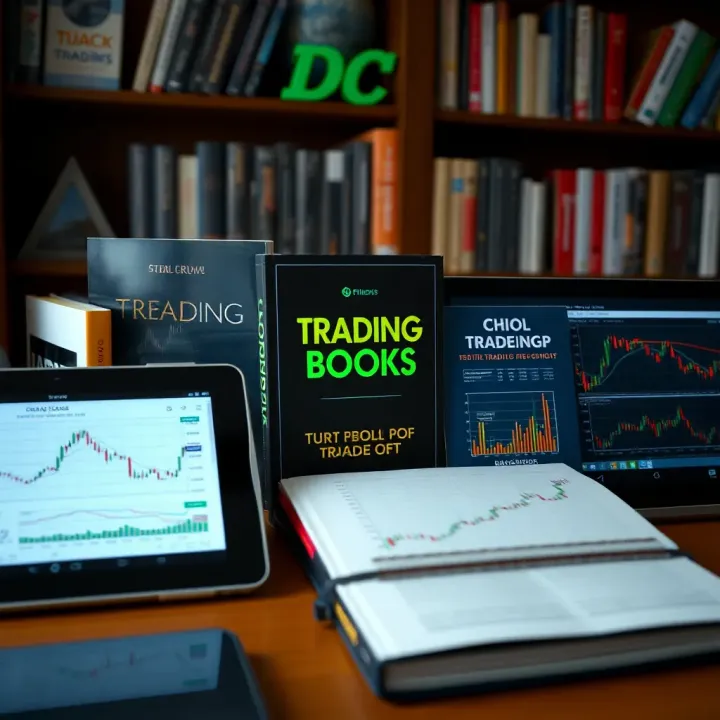
📚 Discover how to find, download, and use trading books in PDF format legally in Pakistan. Learn smart ways to apply insights and boost your trading skills.
📈 Discover how to trade on Quotex in Pakistan! Learn about platform features, setting up accounts, trading options, smart strategies, and managing risks effectively.

Explore trusted trading websites in Pakistan 📈 Learn to pick platforms, check regulations, secure trades 🔒, manage costs, & use smart tools effectively.
Based on 8 reviews