
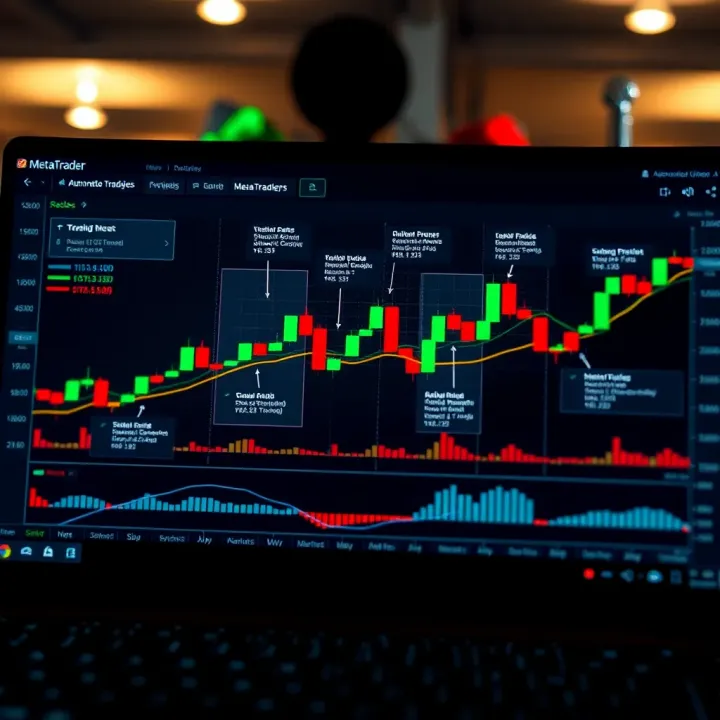
MetaTrader Guide for Pakistani Traders
📈 Discover how MetaTrader supports Pakistani traders with insights on platform versions, broker choices, technical tools, and automated trading to boost your forex success.
Edited By
Sophie Mitchell
Exporting presents a valuable opportunity for Pakistani businesses eager to expand beyond local markets. Understanding your export options helps you choose the best path to reach buyers abroad efficiently and within regulations. Whether you are a textile manufacturer in Faisalabad, a mango exporter from Multan, or an IT services provider in Islamabad, knowing the methods available and their practical implications matters.
Pakistani exporters can select from various options such as:
Direct Exports: Selling goods or services straight to an overseas buyer. This approach gives better control but requires deeper knowledge of the foreign market.
Indirect Exports: Using intermediaries like export agents or trading companies who handle the export process. This reduces risk and paperwork but may cut some profit.
Countertrade: Exchange of goods with overseas partners without involving cash, like barter or offsets. This method suits some sectors when currency issues or sanctions complicate payments.
E-Commerce Export: Selling products through online marketplaces such as Daraz Global or international platforms. This route opens doors for SMEs with limited resources.
Some factors critical for choosing the right export option:
Destination Market: Regulations, demand, and logistics vary widely by country. For example, exporting textile products to the EU requires complying with specific quality and labelling standards enforced by the Pakistan-EU PTA agreement.
Product Type: Perishables like mangoes demand speedy shipping and cold chain solutions, while software exports involve service contracts and data security compliance.
Documentation Required: From commercial invoices and packing lists to export licences and certificates of origin, paperwork differs by method and authority (e.g., Pakistan Customs, Trade Development Authority of Pakistan).
Financing and Payment Terms: Exporters can use letters of credit from Pakistani banks or open accounts depending on trust and risk appetite. Securing finance through SBP schemes or export refinance is often worth exploring.
Exporting is not one-size-fits-all. Assess your product, target market, and financial capacity carefully to select an option that fits your business model and growth goals.
This guide will break down these and other export aspects to help Pakistani businesses trade smarter and grow internationally.
Exporting opens doors for Pakistani businesses to connect with global markets, boost revenues, and reduce dependency on local demand fluctuations. Understanding the available export options is key because each approach carries different costs, risks, and operational demands. For example, a Faisalabad textile exporter might choose direct exporting for better control or opt for indirect exporting if lacking export experience.
This section sheds light on the two main frameworks: direct exporting, where businesses handle sales themselves, and indirect exporting, which involves intermediaries. Appreciating these methods helps exporters select strategies aligned with their resources and goals.
Direct exporting means the exporter sells goods and services directly to overseas customers without middlemen. It often involves setting up sales teams, attending foreign trade fairs, or using digital platforms to reach buyers directly. For Pakistani SMEs, this approach offers hands-on market insight and stronger brand presence abroad.
SMEs in Pakistan, such as cottage craft producers in Sindh, stand to gain from direct exporting as it provides better margins by cutting out intermediaries. It also opens feedback loops to quickly adapt products to foreign consumer tastes. Having direct contacts can lead to repeat orders and relationship-building vital in regions like the Middle East or Europe.
However, direct exporting requires export knowledge, market research, and handling logistics and compliance. Pakistani exporters might face challenges like unfamiliarity with foreign regulations, currency risks, or language barriers. For instance, a manufacturer in Sialkot may struggle with customs paperwork or arranging international shipping, requiring upfront investment in skills or hiring agents.
Export houses and trading companies act as middlemen who buy goods locally and manage international sales themselves. These entities often have established overseas contacts and handle marketing, negotiation, and shipping. For new exporters in Pakistan, this reduces complexity and risk.
Agents and distributors operate by representing a Pakistani exporter or their product line in foreign markets. An agent finds buyers and negotiates deals on behalf of the exporter, while distributors buy products to resell locally. This setup is common for Pakistani electronics exporters targeting African or Central Asian markets.
Indirect exporting offers ease of entry and lower upfront costs since exporters rely on partners with local know-how. Yet, this also means less control over pricing and branding, and profits share with intermediaries. For example, a Karachi-based textile exporter using a trading company might face slower market feedback and less influence on customer relations.
Choosing between direct and indirect exporting depends on your business size, export knowledge, and willingness to manage overseas operations. Both paths can open export success but carry distinct trade-offs in control, cost, and risk.
In brief, grasping these export options helps Pakistani businesses pick the right approach, improve decision-making, and optimise their chances in competitive global markets.
Export documentation and compliance are critical in ensuring smooth clearing and delivery of goods from Pakistan to international markets. These requirements not only satisfy regulatory measures but also build trust with foreign buyers and logistics partners. Pakistani exporters who understand these documents avoid costly delays or fines and streamline the export process.
The commercial invoice is the primary document listing the products sold, their quantities, unit prices, and total amount due. It acts as a bill for the buyer and a declaration tool for customs authorities. Alongside, the packing list details how goods are packed, showing box numbers, weights, and dimensions. Together, they help customs officials verify shipment contents and facilitate inventory checks.
For example, a textile exporter sending Rs 5 lakh worth of garments must clearly state the item descriptions, sizes, and value on the commercial invoice. The packing list helps freight forwarders organise loading efficiently and avoid shipment mishaps.
This certificate declares where the exported goods were produced or manufactured. It plays a big role in determining duties applicable in the import country, especially under free trade agreements. Pakistan’s exporters obtain this certificate from chambers of commerce or relevant authorities like the Trade Development Authority of Pakistan (TDAP).
As a practical example, carpets exported to the European Union require a certificate to claim preferential duty rates under Pakistan-EU trade agreements. Without it, importers may face higher tariffs, reducing competitiveness.
The Bill of Lading (for sea) and Airway Bill (for air) serve as contracts between the shipper and carrier. They provide shipment details, ownership proof, and receipt confirmation upon loading. These are essential for cargo release at the destination port.
If a Karachi exporter sends machinery parts to Dubai by sea, the bill of lading acts as proof of shipment and is often required by banks before releasing payment under a letter of credit.
Customs plays a key role in checking exported goods for correct documentation, classification, and compliance with export regulations. The process involves submitting documents, assessment, inspection if needed, and clearance approval. Proper filing reduces delays and extra costs.
Exporters should be aware that incomplete or incorrect paperwork leads to hold-ups at the port. For instance, missing certificates can result in a shipment being stuck, causing financial and reputational loss.
TDAP supports exporters by providing export facilitation, market research, and certification services. It helps Pakistani exporters access international markets by organising trade fairs and providing updated export-related information.
TDAP’s involvement is especially useful for small businesses new to exports, as it can guide them on compliance and global standards.
Certain products require specific export licences or permits, such as strategic goods, chemicals, or restricted agricultural items. Pakistani exporters must apply through relevant governmental bodies before shipment.
Failing to secure necessary permits results in shipment rejection or legal penalties, so identifying product-specific requirements early is crucial. For example, pharmaceutical exports need approval from the Drug Regulatory Authority of Pakistan (DRAP) alongside standard export documentation.
Timely and accurate documentation, combined with adherence to regulations, significantly improves export efficiency and reduces operational risks for Pakistani businesses.
By mastering these documentation and compliance basics, exporters can confidently navigate Pakistan’s regulatory framework and capitalise on growing global trade opportunities.
Export financing and payment methods form the backbone of successful international trade. For Pakistani exporters, choosing the right payment option not only ensures timely receipt of funds but also manages risks associated with cross-border transactions. At the same time, access to proper financing helps businesses cover production costs and sustain cash flow, especially when dealing with extended payment terms or large orders.
A letter of credit is a widely trusted payment method that protects both exporters and importers. Issued by the buyer’s bank, an L/C guarantees payment to the exporter once specified documents prove shipment of goods. For Pakistani exporters working with new or unknown buyers, L/Cs are practical because they reduce the risk of non-payment. However, banks charge fees for issuing and confirming L/Cs, which exporters should factor into their pricing.
Advance payment means the buyer pays upfront before the goods are shipped, which offers maximum security to the seller. While not always feasible for Pakistani exporters competing internationally, it works well for customised or high-value products. On the other hand, an open account lets the buyer pay after receiving goods, usually within 30 to 90 days. This method requires high trust and good relationships, so exporters often extend this only to reliable customers or markets.
Documentary collections involve banks acting as intermediaries to release shipment documents to the buyer against payment or acceptance of a bill. Although less secure than an L/C, this method is cheaper and suits businesses with established buyers. Remittances, like wire transfers, offer direct payment solutions but depend heavily on trust and timing. Pakistani exporters should weigh costs and risks when using these options.
The State Bank of Pakistan (SBP) offers export refinance facilities to ease working capital constraints for exporters. These schemes provide loans at subsidised rates and encourage exporters to increase production. For example, textile exporters can access funds at lower interest rates, helping them manage costs during seasonal orders or raw material purchases. Familiarity with SBP's programmes ensures exporters don’t miss out on these benefits.
Most commercial banks in Pakistan provide export-related financial services, including pre-shipment and post-shipment financing. Services like trade finance, foreign currency accounts, and guarantees help exporters manage currency fluctuations and payment delays. Banks such as HBL, UBL, and MCB have specialised export desks to guide businesses through documentation and financing options.
Exporting carries risks like currency volatility, delayed payments, and political changes. Pakistani exporters can reduce these risks by diversifying markets, using suitable payment methods like L/Cs, and purchasing export credit insurance if available. Regularly monitoring exchange rates and locking in forward contracts through banks also helps guard against losses caused by rupee fluctuations.
Proper understanding of export financing and payment options can significantly improve cash flow, reduce risk, and build stronger business relations in international markets.
Selecting the appropriate export market and strategy lays the groundwork for successful business expansion. For Pakistani exporters, understanding where and how to sell their products can save time, money, and effort, while opening doors for sustained growth. The choice depends largely on market demand, competition, and the exporter’s capacity to manage logistics and partnerships.
Using trade statistics and market reports helps exporters make informed decisions. Government agencies like the Trade Development Authority of Pakistan (TDAP) and international bodies publish data on import trends, tariff rates, and consumer preferences across countries. For example, many Pakistani textile exporters use such reports to identify rising demand for fabrics in the Middle East or Europe. By reviewing these figures, businesses can avoid saturated markets and focus on regions with growing opportunities.
Identifying niche products and target customers often makes the difference between success and struggle. Instead of casting a wide net, some companies specialise in unique goods like handcrafted leather items or organic food products that appeal to specific buyers. For instance, a small Karachi-based firm producing artisanal spices may find loyal customers abroad who seek authentic Pakistani flavours. Focusing on these niches allows exporters to build brand recognition and compete effectively even with limited resources.
Deciding between direct sales and local partnerships shapes the export process significantly. Direct sales involve the exporter dealing straight with buyers or retailers, giving full control over pricing and marketing. This suits companies with strong export experience or niche products needing precise positioning. On the other hand, local partnerships through agents or distributors facilitate market entry where the exporter lacks presence or language familiarity, for example, Pakistani manufacturers collaborating with Gulf-based trading firms.
Online exports and e-commerce have transformed access to foreign buyers. Platforms like Daraz and Alibaba allow exporters to showcase products globally without hefty investment in physical offices. Small exporters can test demand and gather feedback quickly, while larger businesses use e-commerce to complement traditional channels. However, they must handle logistics, returns, and customer service efficiently to build trust abroad.
Choosing the right market and entry approach depends on thorough research and understanding of your product’s fit. This careful preparation not only minimises risks but also positions Pakistani exporters to reap better profits and long-term partnerships.
By balancing market insights with the right strategy, Pakistani exporters can navigate the complexities of international trade with more confidence and success.
Successful exporting is more than just shipping goods overseas. It involves a careful approach to ensure your products meet international standards and reach customers efficiently. For Pakistani businesses, adopting best practices can save time, cut costs, and build long-term trade relationships. The right preparation helps avoid common hurdles such as customs delays or market rejection.
Product adaptation and quality standards are vital to appeal to foreign buyers and comply with their regulations. For example, Pakistani textile exporters targeting the European Union must meet strict quality certifications like OEKO-TEX or GOTS. Failing to adjust the product to local preferences or ignoring quality checks can mean wasted shipments. Small and medium enterprises should assess competitor products and consider changes in fabric, sizing, or finishing to fit market demands. Also, adhering to ISO standards or client-specific requirements often builds trust and eases customs clearance.
Packaging and labelling go hand in hand with product adaptation, especially for perishable goods or consumer items. Export packaging must protect the product during long transport, and it often needs to follow the destination country’s rules. For instance, food exporters must provide nutritional information in the local language and include expiry dates clearly on the label. Pakistani mango exporters using durable and ventilated crates minimise damage and spoilage during transit, improving customer satisfaction and repeat orders. Moreover, correct labelling—showing origin, batch numbers, and handling instructions—is critical to avoid penalties and rejection at ports.
Managing logistics and transport costs is a common challenge for exporters. Efficient route planning and selecting the right shipping mode can reduce costs significantly. For example, exporters shipping garments to the Middle East could compare sea freight versus air freight depending on urgency and product value. Delays caused by improper paperwork, customs inspection, or transportation strikes can add hidden expenses. Partnering with experienced freight forwarders familiar with Pakistan Customs and international logistics often streamlines operations and saves money over time.
Dealing with foreign exchange fluctuations affects exporters’ profitability and pricing strategies. Since many contracts are settled in US dollars or Euros, sudden PKR devaluation can turn export gains into losses. To counter this risk, businesses can use forward contracts through Pakistani commercial banks or open foreign currency accounts to lock exchange rates. This approach also helps in budgeting and pricing competitiveness. Careful financial planning along with market research ensures exporters don’t face surprises that can harm their cash flow or client relationships.
Consistently following these best practices not only improves Pakistan’s export reputation but also strengthens individual businesses’ chances of success globally.
By focusing on product quality, packaging, cost-effective logistics, and currency risk management, Pakistani exporters can position themselves more confidently in international markets.
📈 Discover how MetaTrader supports Pakistani traders with insights on platform versions, broker choices, technical tools, and automated trading to boost your forex success.
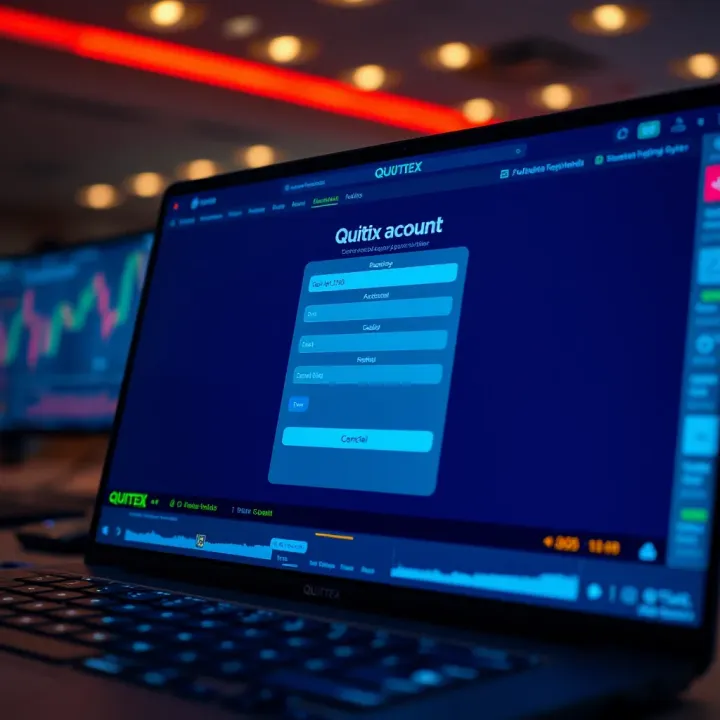
💻 Learn how to register on Quotex step-by-step, verify your account, fund it with Pakistani-friendly options, and tackle common issues for secure trading success.

📈 Discover top trading apps for Pakistan investors! Compare features, fees & security to pick the best fit for your trading style and goals.

📈 Find the best trading app in Pakistan with our detailed guide! Explore features, security, costs & usability to pick the right fit for your investment needs.
Based on 8 reviews