

Trading Basics and Strategies for Pakistani Markets
Explore trading basics, strategies, and market insights with a focus on Pakistan. Learn risk management and effects of global factors 📈💼🌍
Edited By
Emily Carter
Option trading is growing in popularity among Pakistani investors looking for ways to diversify beyond traditional stock and commodity trading. Unlike simply buying shares, options offer you the right, not the obligation, to buy or sell assets at preset prices within specific timeframes. This flexibility can help you manage risk, speculate on markets, or generate extra income.
To get started, it's clear you need a solid grip on market basics. In Pakistan, the Karachi Stock Exchange (now integrated with the Pakistan Stock Exchange or PSX) lists derivatives, but option trading remains less common compared to equities. However, with growing digital access and regulatory improvements by the Securities and Exchange Commission of Pakistan (SECP), more traders are exploring options for tailored strategies.

Options can amplify both profits and losses. Careful strategy and risk control remain essential, especially in volatile markets like Pakistan’s.
There are two main types of options to know:
Call Options: These give you the right to buy an asset at a fixed price, useful if you expect the asset’s price to rise.
Put Options: These give you the right to sell an asset at a fixed price, suited to situations where you anticipate a price drop.
Understanding these basics allows you to pick from multiple trading strategies such as buying calls or puts, selling covered calls, or employing spreads and straddles. For Pakistani traders, utilising local market movements — such as currency fluctuations or commodity price shifts — can enhance the effectiveness of these strategies.
Risk management cannot be overstated. Excessive leverage or ignoring expiry dates can quickly lead to losses. Tools like stop-loss orders and diversifying your option positions help protect your capital.
Planning and patience pay off. Instead of chasing quick gains common during volatile sessions, setting clear entry and exit points based on thoughtful analysis will serve Pakistani traders better in the long run.
This article will guide you through the essential strategies and practical insights needed to trade options wisely within the Pakistani market context, aiming to make complex concepts straightforward and applicable.
Understanding the basics of option trading is the foundation for any trader aiming to master this flexible financial tool. It helps to know exactly what options offer compared to regular stock trading, which is especially useful for Pakistani investors looking to diversify their portfolios or hedge risks without committing large capital upfront. For example, instead of buying 100 shares of a company like Engro Fertilizers, you could buy a call option giving you the right to purchase those shares later at a set price. This reduces upfront cost but increases complexity.
Definition of call and put options: Options are contracts that give the holder the right, but not the obligation, to buy or sell an asset at a predetermined price within a specified timeframe. A call option allows you to buy the asset, while a put option lets you sell it. Think of a call option as a ticket to buy something cheaper later, whereas a put option works like insurance against price drops.
Role of strike price and expiry date: The strike price is the set price at which you can buy (call) or sell (put) the underlying asset. The expiry date is the deadline for exercising this right. These two factors directly affect an option’s value. For instance, if the strike price is below the current market price for a call option, it’s considered "in the money" and more valuable. Timing is vital – once the expiry date passes, the option becomes worthless if not exercised.
Differences from regular stock trading: Unlike buying shares directly, options allow you to control larger amounts of stock with less money, but they come with expiry constraints and complexities like time decay (premium losing value as expiry approaches). Regular stock trading is straightforward ownership with no expiry, but options provide strategic ways to profit from market moves, volatility, or to protect existing investments.
Availability of options on Pakistan Stock Exchange (PSX): The PSX has started offering options on select instruments like KSE-100 index futures and some blue-chip stocks, but the market is still developing. This means liquidity can be limited, and not all traders have easy access to diverse option contracts yet.
Regulations from the Securities and Exchange Commission of Pakistan (SECP): The SECP regulates derivatives trading to protect investors and maintain market integrity. They set rules on minimum margin requirements, reporting, and trading practice standards. Pakistani traders must stay updated with SECP notifications to avoid compliance issues, as regulations can tighten or expand with market maturity.

Common traded instruments and liquidity: Currently, index futures and a handful of stock options on companies like Pakistan Petroleum Limited (PPL) or Pakistan Oilfields Limited (POL) dominate options trading on PSX. Liquidity remains a challenge, so traders often face wider bid-ask spreads, impacting potential profits. For active option trading, many turn to international brokers offering access to more liquid markets like US equities options.
Knowing these basics and the local landscape enables Pakistani traders to make informed decisions rather than jumping in blindly. Proper grounding reduces risks and sets the stage for mastering advanced strategies.
Expert option trading requires a clear grasp of effective strategies that manage risk while aiming for profits. In Pakistan's growing financial markets, mastering these strategies can help traders make informed decisions and improve returns. This section outlines commonly used practices among both beginners and seasoned traders, illustrating their practical value with examples.
Covered calls and protective puts are foundational strategies that allow beginners to protect their investments or generate income with limited risk. A covered call involves holding shares of a stock and selling call options against them, earning premium income while potentially selling the stock at a higher price. For instance, if a trader owns 100 shares of a PSX-listed company like Engro and expects modest gains, selling a call option with a strike price above the current level can provide extra income while holding the shares for dividends or appreciation.
Protective puts work as an insurance policy where the trader buys put options to guard against a significant fall in the underlying stock’s price. For example, if a trader holds shares that may be vulnerable to market volatility—especially given Pakistan's economic uncertainties due to fluctuating exchange rates or political developments—a protective put helps limit loss without selling the shares outright.
Spread strategies: bull call spread, bear put spread offer a more cost-effective approach to capturing market moves while controlling risk. A bull call spread involves buying a call option at a lower strike price and selling another at a higher strike, benefiting from moderate upward movement. For example, anticipating steady growth in power generation companies amid rising electricity demands, a trader could use this to profit while limiting premium expense.
Conversely, a bear put spread involves buying a put option and selling another at a lower strike price, aiming for a modest downward move while limiting risk. This can be useful for traders expecting slight corrections in commodity prices, like oil or wheat, important to Pakistan’s economy.
Straddles and strangles for volatility plays are techniques to profit from significant price swings, regardless of direction. A straddle involves buying call and put options at the same strike price and expiry, betting on high volatility. For instance, before Pakistan's budget announcement, a trader might use a straddle on key index options to benefit from sharp market reactions.
A strangle is similar but uses different strike prices for calls and puts, reducing upfront cost but requiring larger moves to profit. This works well when there’s uncertainty but smaller expected price moves, such as ahead of corporate earnings announcements of PSX-listed companies.
Butterfly and condor spreads for limited risk help traders make gains with defined risk and limited capital. A butterfly spread mixes options at three strike prices to profit from minimal price movement, ideal during periods of low volatility in stable sectors like banking. The condor spread extends this concept with four strike prices, offering a wider range and a conservative approach suited to sideways markets.
Calendar spreads and ratio spreads involve options with different expiry dates or ratios, allowing traders to capitalise on time decay and volatility changes. Calendar spreads buy a longer-dated option and sell a shorter-dated one at the same strike, gaining from differing time erosion rates. In Pakistan's context, a calendar spread on a stock like Lucky Cement could be used around times of seasonal demand shifts.
Ratio spreads, on the other hand, involve buying a certain number of option contracts while selling more contracts of another strike, a more aggressive strategy expecting specific price moves. Such tactics require close monitoring but can yield returns when timed well during economic cycles or sectoral shifts.
Successful option trading is about balancing potential rewards with risks through informed strategy choices. Understanding when and how to apply these methods sets expert traders apart in Pakistan's evolving markets.
Managing risk while aiming for decent returns is the backbone of successful option trading. Options offer flexibility but come with specific challenges like time decay and price swings that can quickly eat into profits. For Pakistani traders, recognising these risks and applying robust strategies helps avoid costly mistakes and enhances the chance of steady growth.
Volatility risk and time decay play a major part in options pricing. Volatility reflects how much the underlying asset's price might move. Higher volatility usually boosts option premiums, but sudden drops can hurt traders holding those contracts. On the other hand, time decay (also called ‘theta’) means options lose value as they near expiry. For instance, a call option on an active PSX stock might look lucrative one week but could drop in value daily if the stock doesn't move as expected. Keeping track of volatility and timing is key to not letting gains erode before you exit.
Position sizing and diversification are practical ways to limit downside risk. Instead of investing heavily in one option contract, spreading capital across different strikes, expiries, or underlying stocks lowers exposure if one move goes against you. Suppose you invest Rs 1 lakh solely in a speculative option on a tech company listed on PSX; any sharp adverse move can wipe out a lot fast. Splitting that capital among safer, less volatile plays or using spreads can better protect your funds.
Consistent traders know using stop losses and mental discipline helps in surviving the markets over the long haul. Setting predetermined exit points for losses prevents emotional decisions during sudden swings. For example, a trader might cut losses if an option drops 30% in a day rather than hoping for a rebound that might not come. Equally important is sticking to your trading plan without chasing quick profits or revenge trading, which often leads to deeper losses.
Technical analysis indicators for options help identify entry and exit points. Indicators like Relative Strength Index (RSI), Moving Averages (MA), and Bollinger Bands can track momentum and overbought/oversold conditions on the underlying stock, assisting in timing your option trades. For instance, if the RSI on a PSX stock hits a high level signalling overbought, it might be the right time to sell call options or consider protective puts.
Fundamental factors affecting option prices include earnings announcements, dividends, macroeconomic news, or changes in government policy. These can cause sudden price jumps or drops in an underlying stock, directly impacting option values. Traders should stay updated on announcements from companies listed on PSX and government fiscal policies, as unexpected news can swiftly affect premiums and trading sentiment.
Using option pricing models for valuation gives a clearer picture of fair value. Models like Black-Scholes estimate theoretical option prices based on variables such as underlying price, strike price, volatility, interest rates, and time to expiry. Pakistani traders who understand how to use these models can spot overpriced options to sell or undervalued options to buy, improving risk-reward balance. In practice, this could mean evaluating whether a call option on a heavily traded PSX stock is too expensive compared to its expected movement.
Balancing risk and reward is not guesswork. With sound tools and discipline, traders can navigate volatility and time decay effectively while aiming for consistent, profitable trades in Pakistan’s option market.
Practical tips serve as the backbone for traders aiming to move beyond theory and become proficient in options trading, especially in the Pakistani context. In a market like Pakistan’s where option trading is still developing, applying focused strategies such as planning, choosing the right broker, and keeping up with market changes can make a big difference to your success.
Setting realistic goals and exit strategies is vital for trading success. Pakistani traders often jump into option positions with hopes for quick profits but without a clear exit plan, which can lead to unnecessary losses. A well-laid trading plan sets achievable targets based on your risk tolerance and market conditions. For example, if you buy call options on a PSX stock like OGDC, decide beforehand the profit level or maximum loss you are ready to take. Exit strategies might include predefined stop losses or profit booking when a stock hits certain levels, helping you avoid emotional decisions.
Keeping trading journals and reviewing performance allows traders to track their decisions critically. Writing down every trade along with reasons for entering or exiting a position helps spot patterns over time. Many Pakistani traders overlook this step, missing out on learning opportunities. For instance, after trading with spreads or straddles, journaling the outcomes lets you evaluate which strategies work best under certain market moves, improving future trades.
Local options available on PSX versus international brokers differ mainly in accessibility and regulations. PSX offers options trading through licensed brokers familiar with local market dynamics and currency risks. But some Pakistani traders prefer international brokers for a wider range of option contracts and better platform features. However, international accounts may face hurdles with currency transfers and compliance. Choosing between local and international brokers depends on your trading goals and comfort with regulatory frameworks.
Evaluating trading platforms for usability and fees is essential before committing funds. A user-friendly platform with low commissions and real-time data suits active option traders. Pakistani traders should assess platforms on trade execution speed, available charting tools, and ease of order placement. For example, some local brokers offer platforms integrated with account funding through Easypaisa or JazzCash, simplifying deposits. High fees or slow platforms can eat into profits, so compare options carefully.
Following market news and regulatory changes helps you avoid surprises. The SECP occasionally updates rules around derivatives, and economic shifts affect option pricing on the PSX. Monitoring reputable business news sources and official SECP announcements ensures your trading stays compliant and responsive to market changes. For example, changes in SBP interest rates can impact volatility and option premiums.
Engaging with Pakistani trading communities and workshops provides peer support and knowledge sharing. Participating in forums or workshops organised by Pakistani financial educators or brokerage houses offers valuable insights and practical tips. Such engagement helps you stay current with local market trends and learn from others’ experiences, which is crucial when options trading volumes are still growing in Pakistan.
Developing discipline, choosing the right tools, and staying informed are practical steps that can help Pakistani traders navigate option trading with greater confidence and success.
Explore trading basics, strategies, and market insights with a focus on Pakistan. Learn risk management and effects of global factors 📈💼🌍

Discover how to pick the best trading website in Pakistan with tips on reliability, fees, security, and support to match your trading style 📈🔒💻
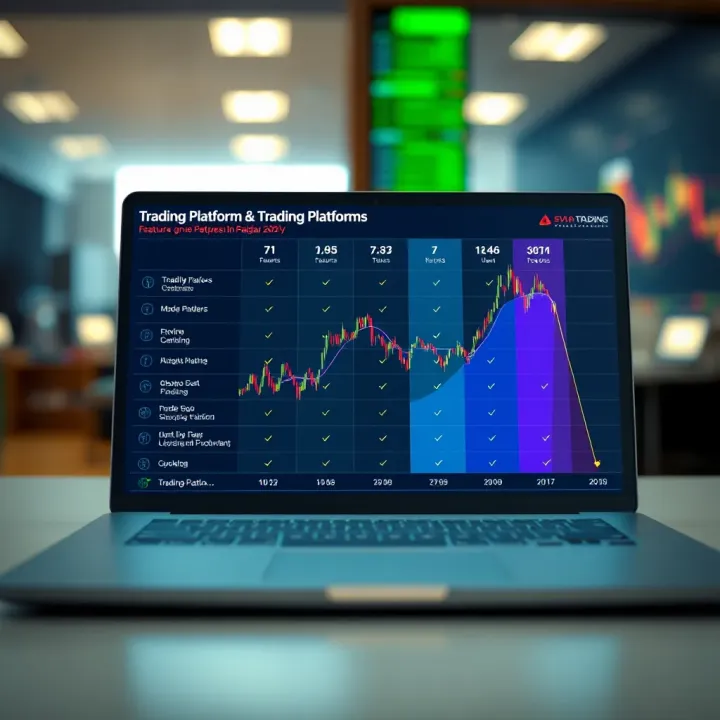
🔍 Find the best trading platform for Pakistan with reliable tools, easy access to markets, and expert tips to help you trade confidently and safely.

Explore top trading platforms in Pakistan with detailed insights on features, fees, security, and user fit to choose the best one for your trading needs 📈💼
Based on 11 reviews