
Best Forex Broker in Pakistan: How to Choose
Looking for the best forex broker in Pakistan? Learn how to spot regulated brokers, compare fees, platforms, and support for smarter trading. 💹📊
Edited By
Emma Fitzgerald
Gold and forex markets share a unique connection that influences global finance and local economies alike. Understanding this relationship is key for traders, analysts, and investors aiming to navigate fluctuating currency values and gold prices.
Gold has long been perceived as a safe-haven asset during times of economic uncertainty or currency weakness. When a currency depreciates, investors tend to shift their funds into gold to preserve wealth. For example, when the Pakistani rupee drops against the US dollar, demand for gold in Pakistan often rises as a hedge against inflation and depreciation.
In forex markets, gold is usually priced in US dollars. Therefore, movements in the dollar directly impact gold rates worldwide. A strengthening dollar often makes gold more expensive in other currencies, reducing demand. Conversely, a weaker dollar pushes gold prices up. This inverse relationship affects not only gold investors but also currency traders who leverage gold’s price action to predict forex market trends.
Gold’s role as both a commodity and a currency substitute positions it uniquely in forex trading, making it a valuable indicator of market sentiment.
Currency fluctuations and gold demand: When major currencies like the USD, EUR, or JPY fluctuate, local currencies such as the PKR feel the ripple effects, impacting gold buying behaviour in Pakistan.
Inflation and monetary policy: High inflation or loose monetary policies can weaken currencies, encouraging investors to turn to gold, affecting forex pairs involving those currencies.
Geopolitical tensions and economic uncertainty: In periods of turmoil, gold prices often rise as traders look for safe assets, which, in turn, reflect on forex market volatility.
For Pakistani investors, integrating gold into forex trading strategies requires awareness of local economic conditions, government policies, and international market trends. Gold trading alongside currencies like USD/PKR can provide diversification and risk management amid the rupee’s fluctuations.
By closely monitoring gold’s price movements and their correlation to currency pairs, traders can improve timing for forex entries and exits. Taking cues from gold trends alongside Pakistan’s economic indicators can enhance decision-making in volatile markets.
Understanding the foundations of gold and forex markets is key to grasping how they interact. This knowledge helps traders and investors make smarter decisions by revealing how movements in one market can influence the other. For example, knowing why gold often rises when the US dollar weakens can guide when to enter or exit trades.
Forex trading involves buying and selling currencies against each other in a global market that operates 24 hours daily. It is the largest financial market, with daily turnover exceeding $6 trillion. This scale means forex trading deeply affects international trade, investments, and economic policies.
Major currencies participating in forex include the US dollar (USD), Euro (EUR), Japanese yen (JPY), British pound (GBP), and others like the Swiss franc (CHF) and Canadian dollar (CAD). These currencies form pairs—such as EUR/USD or USD/JPY—where traders speculate on which currency will strengthen or weaken. This is relevant for traders who need to follow global economic news and central bank decisions influencing these currencies.
Forex trading works through brokers and electronic platforms where currencies are exchanged instantly. Traders study factors like interest rate changes, geopolitical events, and economic data releases to predict currency movements. For instance, if the US Federal Reserve raises interest rates, the USD might strengthen, affecting currency pairs and gold prices linked to the dollar.
Gold stands out as a store of value because it does not lose worth like some currencies during inflation. Investors in Pakistan often buy gold to protect their wealth, especially during times of rupee depreciation or economic uncertainty. Gold’s tangible nature and limited supply add to its appeal beyond just an investment asset.
Historically, gold has been used as money and a symbol of wealth across cultures. From the Mughal Empire’s treasury to contemporary jewellery demand in Pakistan’s markets, gold serves both financial and cultural roles. This history reinforces why gold remains trusted even as financial systems evolved.
Compared to fiat currencies, which governments issue and can devalue, gold resists sudden value loss because it is not directly controlled by any single authority. This contrast matters for traders and investors who want to balance risks between currency fluctuations and asset stability. For example, during currency crises, gold prices typically rise, indicating its value as a hedge.
Gold’s unique position between tangible asset and financial instrument makes it an essential part of understanding both economic trends and forex market movements.
In summary, the basics of gold and forex markets lay the groundwork for analysing how these two interact. With this foundation, traders can better anticipate market changes influenced by gold's behaviour and currency dynamics.
Gold plays a significant role in shaping currency markets, influencing both exchange rates and investor behaviour. Understanding this connection helps traders and analysts predict market moves, especially during times of economic change. Gold’s relationship with currencies often reflects broader economic trends and market confidence, which is vital for making informed trading decisions.
Gold and the US dollar generally move in opposite directions. When the dollar gains strength, gold prices tend to fall, and vice versa. This happens because gold is priced in dollars globally, so a stronger dollar makes gold more expensive for buyers using other currencies. For example, in mid-2023, as the dollar index climbed due to rising US interest rates, gold prices dipped, showing this classic inverse pattern.
This relationship is crucial for forex traders who watch gold movements to gauge dollar strength indirectly. A surge in gold prices might signal dollar weakness ahead, affecting forex pairs like USD/PKR or USD/EUR.
Emerging market currencies often react to changes in gold prices due to their economic structure and reliance on commodity trade. Countries like South Africa and Russia, with strong gold exports, see their currencies appreciate when gold prices rise, reflecting better trade balances and increased foreign investment.
For traders focusing on these markets, tracking gold can provide early hints about currency movements. For instance, when gold prices surged in 2022, the South African rand strengthened as investors anticipated higher export revenues.
The Pakistani rupee (PKR) shows sensitivity to gold prices mainly because Pakistan imports most of its gold demand. Rising gold prices often mean increased import costs, putting pressure on the PKR due to higher trade deficits.
Moreover, as the US dollar fluctuates, the rupee moves accordingly, partially influenced by gold’s inverse link to the dollar. For Pakistani investors and forex traders, monitoring gold can help anticipate rupee volatility, especially during unstable economic periods.
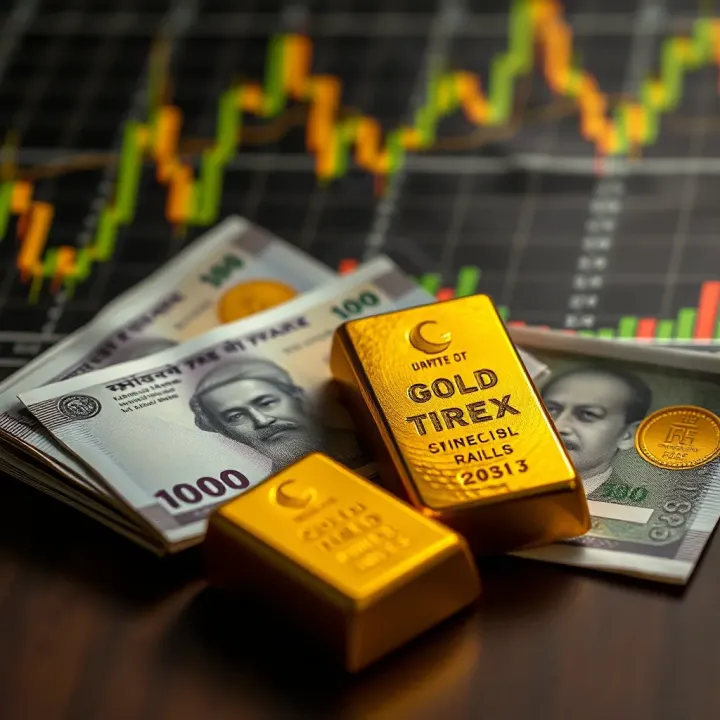
During economic or geopolitical uncertainty, investors flock to gold as a safe haven to protect their capital. Unlike fiat currencies, gold retains intrinsic value and isn’t tied to government debt or monetary policy in the same way.
This increased demand boosts gold prices and can cause significant shifts in forex markets, as traders move away from riskier currencies. For example, in 2020 amid the initial COVID-19 shock, gold prices hit record highs while many currencies faced sharp drops.
Gold price swings often fuel volatility in forex markets. Sudden jumps or drops in gold can unsettle currency pairs linked to the dollar or commodity-exporting countries. This volatility presents both risks and opportunities for traders.
Managing this requires close attention to gold market signals and broader economic indicators. Ignoring gold’s movements can leave traders exposed to unexpected currency fluctuations.
Recent events illustrate gold’s impact clearly. During the US Federal Reserve’s rate shifts in late 2022, gold prices reacted sharply, affecting the dollar and emerging market currencies. Similarly, escalating tensions in Eastern Europe caused spikes in gold demand and subsequent forex market turbulence.
For Pakistani traders, these examples highlight the importance of integrating gold price analysis with currency market strategies to navigate uncertain global conditions effectively.
Watching gold prices gives traders a valuable window into currency strength, risk sentiment, and potential market shifts, making it a key tool in modern forex trading.
Trading gold within the forex market has become highly relevant for investors seeking diversification and hedging options. Its unique position as both a precious metal and a forex commodity offers practical benefits, especially in volatile currency conditions. For traders, gold provides an alternative to currency pairs with the advantage of liquidity and affordability without needing to hold physical gold.
In forex, gold is commonly traded against the US dollar under the symbol XAU/USD. This pairing represents the price of one ounce of gold quoted in US dollars, making it easy to track and trade globally. Its value usually moves inversely with the US dollar; when the dollar weakens, gold prices tend to rise. This relationship helps traders speculate on economic shifts and inflation expectations quickly.
Most major forex trading platforms in Pakistan, including MetaTrader 4 and 5, offer gold as a trading asset alongside currency pairs. Local brokers approved by the Securities and Exchange Commission of Pakistan (SECP) often support additional payment methods like JazzCash and Easypaisa, making access to gold trading more practical for Pakistani investors. These platforms provide real-time charts, leverage options, and risk controls tailored for gold.
Unlike buying physical gold, forex gold trading does not involve ownership of the actual metal. This means traders can enter positions with small amounts and use leverage, allowing higher potential profits or losses. Physical gold requires secure storage and involves additional costs such as making charges, especially in Pakistan where gold jewellery is more common. Forex gold trading offers greater flexibility and faster liquidity but also demands a strong understanding of market movements.
Traders often rely on technical analysis tools like moving averages, Relative Strength Index (RSI), and Fibonacci retracements to forecast gold price trends. Gold’s price reacts strongly to support and resistance levels, which can signal good entry or exit points. For example, if gold breaks a long-term resistance level on high volume, it usually indicates a strong bullish run ahead.
Gold prices are sensitive to global political tensions, inflation reports, and central bank announcements. For instance, during recent geopolitical tensions in the Middle East, gold prices spiked as investors sought safety. Pakistani traders should watch news about US Federal Reserve interest rates or Pakistan’s rupee fluctuations, as these events often trigger immediate market reactions.
Given gold’s price swings, proper risk management is vital. Setting stop-loss orders helps cap potential losses during sudden reversals, which are common during major economic announcements. Diversifying positions and avoiding excessive leverage also protect traders from sharp moves. Pakistani traders new to gold forex should practice on demo accounts to build confidence before committing real capital.
Trading gold in the forex market combines the metal’s traditional value with modern market accessibility, offering unique opportunities but also requiring disciplined strategy and risk controls.
Gold holds a unique place in Pakistan’s investment landscape. It isn’t just about profits; gold carries deep cultural and economic significance for many Pakistanis. At the same time, forex trading has gained attention as a modern investment avenue. Understanding the local dynamics of both markets helps traders and investors better navigate opportunities and risks.
Gold has long been seen as a reliable store of value in Pakistani households. Culturally, gold plays a role in weddings, festivals, and as a symbol of wealth. Families often invest in gold jewellery and coins to preserve savings through uncertain economic times. This affinity persists even when bank interest rates are low or the stock market fluctuates.
Economically, gold provides a hedge against inflation and rupee depreciation, which have periodically affected Pakistan. People view gold as a safer asset during political upheavals or economic instability, especially when foreign exchange reserves dip or the rupee weakens.
On the other hand, forex trading is attracting younger, tech-savvy investors interested in short-term gains. It offers potentially higher returns but comes with greater complexity and risk. Unlike gold, which many treat as a long-term asset, forex demands constant monitoring and market knowledge. Still, compared to traditional savings, forex is less popular among the average Pakistani investor, partly because of limited awareness and regulatory concerns.
Local gold markets in Karachi, Lahore, and other major cities remain very active. Jewellery shops, goldsmiths, and authorised dealers provide liquidity for buying and selling physical gold. These markets react quickly to changes in international gold prices and local rupee value, often influencing daily price updates seen by consumers. Besides physical gold, Pakistan also sees some trading of gold certificates and digital gold platforms, though these remain niche.
Pakistan imports almost all of its gold, making local prices sensitive to the rupee-dollar exchange rate. When the rupee depreciates, the cost of importing gold rises, pushing gold prices higher domestically. Even small changes in exchange rates can impact affordability and demand, affecting everything from wedding season purchases to investment decisions.
The State Bank of Pakistan’s (SBP) monetary policies influence the broader forex environment, indirectly impacting gold prices. For instance, SBP’s decisions on interest rates affect the rupee’s strength, inflation, and investor sentiment. Higher interest rates may strengthen the rupee, lowering gold’s relative appeal as an inflation hedge. Conversely, rate cuts or economic concerns could drive more people towards gold.
Dollar exchange rate movements remain the main driver of gold demand in Pakistan. When the US dollar strengthens, local gold prices tend to rise, triggering increased buying before prices climb further. Traders and investors watch exchange rates closely; a sudden fall in the rupee often leads to a spike in gold demand, sometimes sparking short-term shortages in local markets.
For Pakistani investors, understanding how rupee fluctuations affect gold prices helps in timing purchases and managing risks, especially when gold is a key part of their portfolio.
Clear knowledge about gold’s role alongside forex dynamics equips traders to make smarter decisions, whether they prefer physical gold or gold trading in forex markets.
Trading gold in the forex market offers Pakistani investors a practical avenue to diversify their portfolios beyond traditional assets like physical gold or stocks. Given the volatility and unique behaviour of gold compared to other currencies, traders need clear guidance on choosing platforms, managing risks, and setting realistic expectations. Understanding these elements helps protect capital while maximising potential profit.
Regulation ensures a trading platform operates under strict guidelines to protect traders from fraud and unfair practices. Pakistani traders should look for platforms authorised by recognised global bodies like the Financial Conduct Authority (FCA), Cyprus Securities and Exchange Commission (CySEC), or the Australian Securities and Investments Commission (ASIC). These licences mean the platform adheres to transparency, maintains client fund security, and provides dispute resolution.
Local regulations apply less directly, but some brokers hold licences from the Securities and Exchange Commission of Pakistan (SECP) or offer Pakistan-friendly services. Avoid platforms without clear regulatory status as they carry risks of fund mismanagement or hidden fees.
Several reputable trading platforms are popular among Pakistani users for gold forex trading. MetaTrader 4 (MT4) and MetaTrader 5 (MT5) remain industry standards due to their user-friendly interfaces, charting tools, and support for automated trading. Brokers like ForexTime (FXTM), IG Markets, and XM offer MT4/5 access alongside localised customer support.
Other platforms like IQ Option and Deriv provide easier entry points with lower minimum deposits, suitable for beginners. However, traders should check if these platforms offer gold trading (XAU/USD) pairs and allow deposits through local payment options.
Convenient deposits and withdrawals are essential. Many leading brokers now accept JazzCash and Easypaisa, two popular Pakistani mobile wallets, allowing quick local currency transfers without bank delays. This is especially helpful given the hassle of international bank transfers and high charges.
For instance, a trader funding their account with Rs 50,000 via Easypaisa can start trading gold pairs on platforms supporting these methods without currency conversion hassles. Still, always confirm transaction fees and processing times. Some brokers also accept credit cards and bank transfers, but local e-wallets speed transactions, making them preferable for Pakistani traders.
Gold’s price swings tend to be more pronounced than major forex pairs like EUR/USD or GBP/USD, due to its status as a commodity and safe haven. This higher volatility means gains can be bigger but so can losses if unprepared.
Traders should understand that events like geopolitical tensions or US monetary policy changes can cause rapid gold price shifts. For example, gold may spike during global uncertainty, impacting forex positions tied to gold. Managing position size is critical to survive these swings, especially for new traders with limited capital.
Setting stop losses and take-profit limits safeguards capital when trading volatile assets like gold. A stop loss automatically closes a position if the price moves unfavourably beyond a set point, preventing large unexpected losses.
For instance, if you buy XAU/USD at $1,900 per ounce, setting a stop loss at $1,880 limits losses to $20 per ounce if prices fall. Meanwhile, a take-profit point at $1,920 secures gains when the price rises. Using these tools is essential for disciplined trading and avoids emotional decisions during sudden market moves.
Many new traders jump in with high leverage, chasing quick profits on gold without understanding risks. This often leads to rapid losses. Another mistake is ignoring economic news that strongly impacts gold prices, such as Federal Reserve rate announcements or geopolitical events.
Additionally, some fail to diversify and rely solely on gold trading, leaving their portfolios exposed. Pakistani traders should educate themselves, start with smaller trades, and maintain realistic profit goals.
Practical trading knowledge protects your capital and builds confidence, particularly in a market as dynamic as gold forex.
By selecting regulated platforms available in Pakistan and using local payment methods like JazzCash and Easypaisa, traders can focus more on strategy rather than logistics. Controlling risks with stop losses and tempering expectations helps create more sustainable trading habits.
This approach benefits Pakistani traders navigating the interplay between gold and forex markets, blending local context with global market dynamics.
Looking for the best forex broker in Pakistan? Learn how to spot regulated brokers, compare fees, platforms, and support for smarter trading. 💹📊
📈 Discover when to trade forex in Pakistan with insights on global sessions, market volatility, and timing tips to boost profits while managing risks effectively.
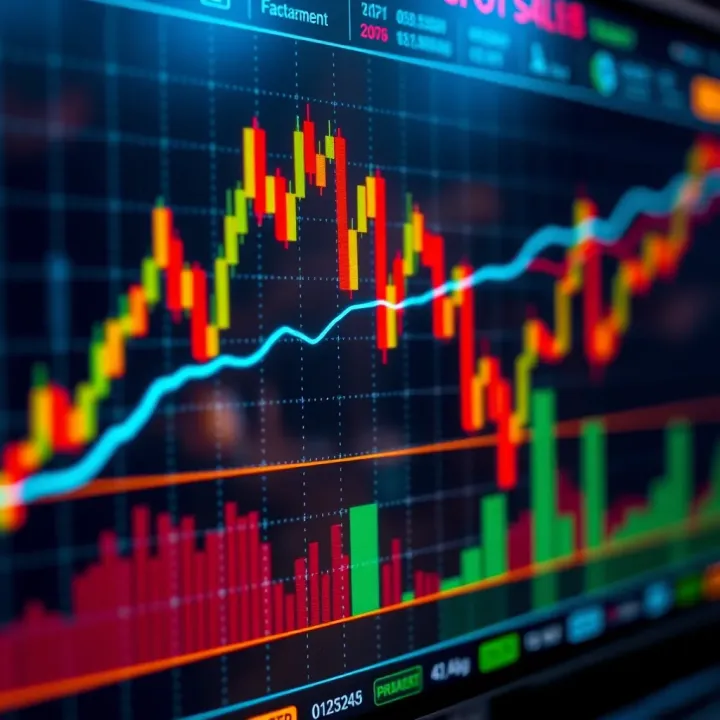
🌍 Learn practical forex trading in Pakistan with tips on regulations, market basics, risk management, and building a successful routine! 💹📊
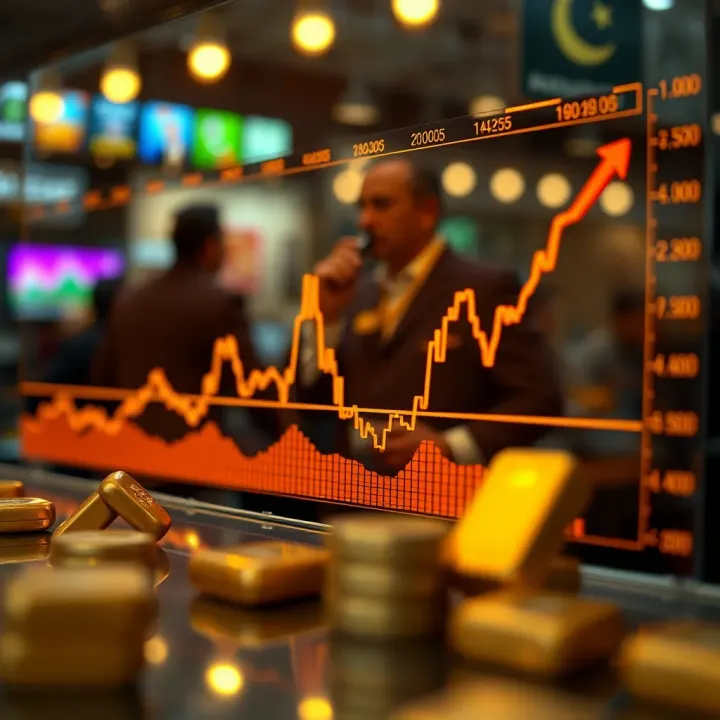
📈 Explore tomorrow's gold price in Pakistan: key factors, local rate changes, and international trends to help you stay smart with your investments.
Based on 10 reviews