
Gold Price Forecast: XAU USD Trends & Factors
Stay ahead in XAU USD trading 💰 by exploring gold price trends, key drivers, and tech & fundamental analysis tailored for Pakistan's market.
Edited By
Benjamin Wright
Trading in the XAU/USD pair is no walk in the park, especially for traders based in Pakistan navigating both local and international factors. Gold prices against the US dollar shift due to a jumble of economic indicators, geopolitical events, and market sentiment that can turn on a dime. This section sets the stage by outlining the key elements influencing price swings and why staying updated matters for anyone looking to trade or invest wisely.
Understanding these dynamics isn’t just about knowing the numbers. It’s about translating global happenings into actionable insights you can use in your trading strategy. Whether it's the impact of US Federal Reserve interest rates, moves in global gold demand, or political tensions in the Middle East, each can rattle the market in unique ways.
In the coming sections, we'll break down the latest news headlines, analyze their potential impact on gold prices, and offer practical tips on how to interpret these shifts through a Pakistan-centric lens. This means factoring in local currency trends, import-export demands, and regional economic policies that often fly under the radar but play a crucial role.
Staying ahead in the XAU/USD market requires more than guesswork—it demands a clear grasp of relevant news and trends tailored to your trading environment.
By the end of this guide, you’ll have a more grounded understanding of how external and domestic influences weave together in the price of gold, helping you make informed decisions rather than just riding the waves blindly.
Understanding the XAU/USD pair is foundational for anyone trading gold against the American dollar, especially for traders based in Pakistan. This pair essentially captures the value of gold priced in US dollars. Knowing its significance helps traders anticipate market shifts and manage risks more effectively, which is vital in a market as unpredictable as gold.
XAU/USD measures how many US dollars are needed to buy one ounce of gold. Gold is represented here by its ISO code "XAU," the standard used globally in financial markets, while USD stands for United States Dollar. This pairing is unique because it combines a tangible commodity with a fiat currency, making it a valuable tool for hedging against inflation or economic uncertainty. For example, if global inflation fears rise, traders often rush to buy gold, pushing the XAU/USD price higher.
Gold and the US dollar share an inverse relationship most of the time. When the dollar strengthens, gold prices tend to fall, and vice versa. This happens because gold is priced in dollars worldwide — a strong dollar makes gold more expensive for holders of other currencies, lowering demand. Conversely, when the dollar weakens, gold becomes cheaper internationally, often driving prices up. For Pakistani traders, keeping an eye on US Dollar Index movements alongside gold prices can reveal opportunities or warn of potential downturns in the market.
Gold has long been a reliable refuge when financial storms hit. For Pakistani investors, who often face local currency instability and inflation, gold purchases provide a shield preserving wealth. Unlike stocks or bonds, gold’s value is less tied to any one country's economy, making it a critical asset during times of geopolitical tension or currency devaluation.
Gold’s price movements can influence Pakistan's economy, especially considering gold is a popular investment and a culturally significant asset here. Fluctuations in the XAU/USD price can affect local gold prices and import costs, which in turn impact inflation and the Pakistani rupee’s strength. For instance, when gold prices surge, it can widen import bills, weakening the rupee. Traders aware of this dynamic can better plan their strategies right around these economic cycles.
Monitoring the XAU/USD pair is not just about tracking gold or the US dollar independently — it's about understanding their dance together and what it signals to Pakistan’s broader financial scenery.
This overview sets the stage for deeper dives into economic reports, geopolitical impacts, and technical trends essential for savvy XAU/USD trading in Pakistan.
Understanding the recent economic factors influencing XAU/USD movements is vital for traders focused on this pair, especially in Pakistan where gold trading has a strong cultural and economic background. Economic variables don’t just shift prices; they shape market sentiment and create opportunities or risks for trading strategies. Keeping an eye on these elements helps traders anticipate moves and avoid surprises.
Inflation figures in the US carry significant weight for gold prices. When inflation rates climb, the value of the dollar usually dips, making gold — priced in USD — more expensive for holders of other currencies, thereby increasing demand and pushing prices up. For instance, if the recent Consumer Price Index (CPI) report in the US shows a higher-than-expected increase, traders often rush to gold as a hedge, causing a price spike. It’s like a seesaw effect: higher inflation often leads investors to gold for protection.
For Pakistani traders, understanding this dynamic is crucial because the Pakistani rupee’s fluctuations against the dollar can amplify or dampen these moves. A stronger rupee might lessen the impact of rising gold prices locally, while a weaker rupee could magnify them, affecting buying decisions.
Interest rates decided by the Federal Reserve have a direct and immediate impact on gold prices. When rates rise, the opportunity cost of holding non-yielding assets like gold increases, usually pushing prices down. Conversely, rate cuts generally encourage investors to seek safety in gold. For example, if the Fed signals a hold or potential cut, the gold price often rallies, reflecting this sentiment.
Traders, especially in Pakistan, need to track Federal Reserve meeting outcomes closely because these decisions affect USD strength and hence the XAU/USD pair. The tricky part is how the market interprets the outlook rather than the rate change alone — sometimes a rate hike expected will be priced in already, so reaction depends on future guidance.
Gold mining and refining rely on a vast supply chain that can be disrupted by logistical bottlenecks, labor strikes, or geopolitical issues. Recent global transport snags have delayed shipments of gold, contributing to tighter supply and nudging prices higher. It’s like when your local market faces a fruit shortage; prices go up because availability drops.
For traders, it’s important to watch reports on mining output and shipment news since constraints on supply can create sudden price jumps. Pakistani investors sometimes see this reflected in local gold prices insurance premiums as well.
Several central banks worldwide have been steadily buying gold to diversify reserves away from the US dollar and strengthen their balance sheets. Countries like India, Russia, and China have increased purchases, signaling confidence in gold as a safe asset amid economic uncertainty.
This trend boosts demand and supports gold prices. Pakistani traders should note that when central banks buy more gold, it often marks increasing global risk concerns, driving prices up. Keeping tabs on official announcements from these countries can provide early clues about market direction.
In summary, tracking US inflation data, interest rate decisions, supply chain developments, and global central bank activities gives traders in Pakistan a clearer edge. These factors interplay constantly, producing the daily ebbs and flows in XAU/USD that savvy traders need to navigate.
Geopolitical events have always played a significant role in shaping the movement of gold prices against the US dollar. For traders in Pakistan, understanding these dynamics is vital since the XAU/USD pair reacts vigorously to shifts in global tension and political instability. This section breaks down how current geopolitical factors directly influence gold prices and what traders should keep an eye on to make well-informed decisions.
Ongoing conflicts in regions like Eastern Europe or the Middle East tend to push investors toward gold as a safe haven asset. When news breaks out about unrest or armed skirmishes, uncertainty creeps into the financial markets, sending traders scrambling to hedge risks. For instance, during the recent flare-up in Ukraine, gold prices spiked sharply as fears about supply chain disruptions and inflation soared. Such tensions make gold attractive compared to more volatile currencies, which can rapidly depreciate.
This means traders in Pakistan should monitor conflict zones closely, as an escalation can trigger sudden rallies in the XAU/USD pair. Watching international news updates and alerts about ceasefire talks or new hostilities helps anticipate price swings rather than reacting after the fact.
Trade relations between major economies can also shape gold demand. For example, if the US imposes tariffs or trade restrictions, it can affect investor confidence and currency strength, indirectly influencing gold prices. When tariffs go up, industries might face higher costs, which can lead to inflation fears and increased gold buying.
A recent example includes US-China trade tensions, where each round of tariff announcements led to a noticeable uptick in gold prices. Traders in Pakistan should thus keep tabs on trade policy developments, especially from the US and China, as these affect global demand patterns and, by extension, the XAU/USD.
The political scene in the United States has a profound impact on the dollar's strength, which in turn affects gold prices. Political uncertainties such as election outcomes, government shutdowns, or policy standoffs can weaken the US dollar because they raise questions about economic stability.
For example, the government shutdown periods in the last few years caused brief dips in the dollar index, pushing gold higher as investors looked for alternatives. The upcoming US elections or any major legislative battles should be closely followed since they can sway market sentiment and volatility.
When political stability in the US falters, the US dollar typically weakens, making gold cheaper for holders of other currencies and thus increasing demand. Conversely, when the US government appears strong and policies are predictable, the dollar usually strengthens, which can drag gold prices down.
For traders in Pakistan, matching this relationship with local rupee volatility offers valuable insight. In moments when the dollar weakens due to political reasons, gold often shines as a preferred store of value. Therefore, keeping a finger on the pulse of US political developments can provide a strategic edge when trading XAU/USD.
Stay alert to geopolitical shifts—they often move the gold market more dramatically than economic reports. Understanding these influences can help you better time your entry and exit points in XAU/USD trading.
Technical analysis remains a staple for traders looking to navigate the twists and turns of the XAU/USD market each day. For Pakistani traders, who often contend with economic and geopolitical sources of volatility, understanding the technical signals can be a real lifeline. It provides a snapshot of where price might head next based on historical patterns instead of just reacting to news events. The practical benefit? Traders can build strategies rooted in chart signals rather than speculation alone.
Looking closely at recent price behavior helps traders spot where gold is likely to stall or surge. For instance, if XAU/USD has repeatedly bounced off the $1950 level in the last few sessions, that price acts like a floor — a support level. Conversely, if prices repeatedly hit around $1985 but fail to break through, that’s a resistance point. Recognizing these patterns signals where buyers and sellers are stepping in, crucial for timing entries or exits. Say a trader spots a double bottom pattern forming near $1950, this could indicate a rebound is on the cards, offering an actionable buying opportunity.
Trend lines sketch the market’s broader direction, helping traders see whether gold is trending up, down, or sideways. Drawing a trend line beneath a series of higher lows, for example, can confirm an uptrend. Moving averages, such as the 50-day and 200-day, add another layer by smoothing out price noise. Crossovers of these averages often foreshadow a change in momentum. If the 50-day moving average crosses above the 200-day, it might signal that gold’s price is gaining strength — what traders call a ‘‘golden cross’’. Spotting these helps traders avoid jumping in too early or missing key reversals.
Volume reveals the strength behind a price move. A price jump on low volume might be weak or short-lived, while rising prices with increasing volume suggests genuine buying interest. Traders can look at momentum indicators like the Moving Average Convergence Divergence (MACD) histogram to see if momentum is increasing or waning. For example, if the MACD histogram bars start shrinking near a resistance level, it may hint that the upward move is tiring, warning traders to tighten stops or consider taking profits.
The Relative Strength Index (RSI) measures if XAU/USD is overbought or oversold, flagging potential reversals. An RSI above 70 often means the market is stretched and might pull back, while below 30 suggests a rebound could be near. Pairing RSI with MACD readings can offer a clearer picture. Imagine RSI hovering near 75 while the MACD line crosses below its signal line — two red flags that the bullish momentum could be fading. Such signals can guide traders in timing when to exit longs or even enter shorts cautiously.
Keeping an eye on these technical tools — support, resistance, trend lines, moving averages, volume, RSI, and MACD — equips XAU/USD traders in Pakistan with practical insights. Rather than guesswork, these indicators provide a grounded approach to anticipating price moves.
By combining these technical elements, traders can build a solid framework to approach today’s trading with confidence, even as the gold market reacts to economic and geopolitical events globally and locally.
Pakistan’s economic landscape plays a significant role in shaping the movements of XAU/USD, given its unique position as a developing economy with particular vulnerabilities and strengths. This section explores how local factors, especially those linked to the Pakistani rupee and investor behavior, intertwine with the global gold and US dollar markets to influence trading decisions.
The Pakistani rupee (PKR) is known for its erratic swings, often riding high waves of inflation, balance of payments pressures, and external debt repayments. When the rupee weakens, gold becomes more attractive as a hedge for investors seeking to preserve value. Traders watching XAU/USD in Pakistan should note that sharp rupee devaluations usually push local gold demand up, indirectly nudging the global gold price higher, as Pakistani demand counts in the overall market sentiment.
For instance, during recent rupee dips against the dollar, retail gold purchases surged in major cities like Karachi and Lahore, reflecting a flight to safety when the local currency loses ground. If you’re trading XAU/USD, keep an eye on the PKR’s trajectory—not just the dollar’s or gold’s standalone moves—as this cross-effects matrix can offer clues about potential price swings.
Gold in Pakistan is more than an investment; it’s also deeply woven into cultural and social practices, from festive gifts to weddings. The demand often spikes when the rupee weakens or economic uncertainty rises. This correlation means that a faltering economy can fuel greater local appetite for gold, which can, in turn, influence global price trends.
To put it practically, when traders spot a rising trend of rupee depreciation backed by weakening economic data—like lower remittance inflows or rising inflation—their anticipation of increased demand from Pakistan can validate a bullish stance on XAU/USD. This dynamic isn’t just theoretical; it’s grounded in real market behaviours and local buying patterns.
Pakistan’s investors historically lean toward tangible assets, with gold holding a prized spot due to its perceived stability and cultural value. Unlike stock markets or digital assets, gold is seen as something you can actually hold and insure. This mindset shapes how demand spurs during times of uncertainty or inflation; even smaller investors tend to buy gold coins or bars as a safe signpost.
Understanding this helps traders and analysts predict periods where domestic gold demand might intensify, beyond what global factors alone would suggest. For example, during political upheavals or unexpected economic shocks, local investors often turn to gold as a refuge, pushing XAU/USD higher.
Various government policies also steer the gold market in Pakistan, from import duties and taxes to regulations on gold trading and ownership. Recently, heavier customs duties on imported gold have increased premiums in the domestic market, raising the price local buyers pay over global rates.
Traders following XAU/USD must account for these factors because higher local costs could dampen immediate physical demand, even if international gold prices rise. Conversely, policy relaxations or incentives—like reduced tariffs or licensed trading platforms—can boost gold buying interest, amplifying the impact on XAU/USD prices.
In sum, Pakistan’s economic environment, especially rupee volatility and investor preferences, weave tightly into the fabric of XAU/USD market dynamics. Recognising these local nuances can offer traders and analysts a sharper, grounded perspective in their decision-making processes.
Trading gold against the US dollar requires more than just a grasp of price movements. Practical tips help traders reduce risk, capitalize on trends, and stay informed amid fast-changing market conditions. For traders in Pakistan, where economic factors often add extra layers of complexity, having a solid approach to managing trades and sourcing reliable data can make the difference between profit and loss. Let’s break down some hands-on strategies that matter today.
A stop loss order is one simple yet powerful tool that every XAU/USD trader should know how to use. It acts like a financial safety net, automatically closing your position if prices move against you beyond a certain threshold. Say you bought gold at $1900 an ounce expecting it to go up, but geopolitical tensions ease and prices start sliding. By placing a stop loss at $1880, you limit your losses instead of getting caught in a deeper downturn.
Key here is setting your stop loss at a level that reflects market volatility without being too tight — otherwise, minor fluctuations might trigger it unnecessarily. For example, during volatile economic data releases, it's wise to widen stop losses a bit. Using stop losses not only protects your capital but also helps you maintain discipline, preventing emotional decisions when markets swing unexpectedly.
Gold is often called a safe haven, but putting all your eggs in one basket is risky. Diversifying your portfolio means spreading investments across various assets to cushion against losses if gold prices falter. For instance, pairing gold trades with foreign exchange pairs like USD/PKR or commodities like oil might balance your exposure.
In Pakistan's context, where currency volatility is frequent, mixing XAU/USD positions with local investments or even fixed income instruments may reduce overall risk. This approach benefits traders by smoothing returns and keeping portfolios more resilient during sudden shocks. It's not about avoiding gold but about making it a part of a broader, well-balanced strategy.
Access to trustworthy data is the backbone of successful trading. For XAU/USD, reliable sources include internationally recognized financial news platforms like Bloomberg, Reuters, and CNBC. These outlets offer up-to-the-minute updates on economic releases, geopolitical events, and central bank policies affecting gold.
For those based in Pakistan, monitoring Pakistan Stock Exchange (PSX) news and reports from the State Bank of Pakistan can also provide relevant local context. Additionally, platforms like Investing.com and DailyFX offer detailed charts and technical analysis tools that traders can tap into. Getting data from multiple reputable sources helps avoid surprises and supports smarter decision making.
The gold market can be a hotbed for rumors and misleading info, especially on social media and unverified websites. Falling for such misinformation can lead to bad trades. To steer clear, verify news from more than one credible source before acting. If an event sounds too dramatic or if its implications don't seem to line up with other reports, pause and double-check.
Subscribe to newsletters from established financial analysts or follow respected economists and traders with proven track records. Platforms that provide transparent data collection methods and clear editorial standards generally offer safer ground. Remember, in trading, patience and caution often beat the urge to rush based on hearsay.
Staying sharp in trading gold against the US dollar means managing your risks wisely and staying updated with accurate news. Both go hand in hand to keep your trading strategies strong and adaptable.
By blending effective risk management with a careful selection of news sources, traders in Pakistan can better handle the unique challenges of today’s markets and spot opportunities with confidence.
Staying ahead of market moves in XAU/USD trading means paying close attention to the latest news and economic signals. Forecasting these trends based on current information helps traders in Pakistan make smarter decisions, avoiding reckless bets and minimizing losses. In a market where gold prices swing on every bit of news, understanding how present events shape the near and distant future is especially helpful.
The practical value here is clear: traders can adjust their strategies promptly, whether it’s tightening stops or scaling positions. For instance, if inflation reports from the US come out hotter than expected, the USD might strengthen for a bit, causing gold prices to dip. Recognizing this interplay quickly can save investors from unwanted shocks.
In the short term, XAU/USD prices tend to dance around key economic releases and geopolitical updates. Traders should expect some bumps and wiggles — like a tug-of-war between safe-haven demand and dollar strength. For example, a sudden spike in US Treasury yields could pressure gold prices downward, while escalating geopolitical tensions usually push gold upward.
Recognizing these short-lived price shifts is essential. It lets traders jump in and out at optimal times or hedge their positions accordingly. A practical tip would be to watch for price action around major events like US employment numbers or Federal Reserve speeches, as these often trigger noticeable volatility.
There are a handful of important variables to track that often steer short-term XAU/USD moves:
US Economic Data: Inflation rates, job reports, and consumer confidence figures can affect the dollar and in turn gold.
Federal Reserve Policies: Interest rate hikes or dovish signals impact gold indirectly via dollar strength.
Geopolitical Developments: Any sudden conflicts or sanctions can spike gold prices due to increased risk aversion.
Local Factors in Pakistan: Rupee volatility or changes in import duty on gold may sway domestic demand and thus market dynamics.
Focusing on these factors helps traders stay nimble and ready for rapid price changes, avoiding surprises that catch many off guard.
Looking beyond the immediate horizon, global economic trends set the broader stage for gold’s direction. Persistent inflation, currency devaluation, or rising debt levels across economies tend to favor higher gold prices. This is because gold acts as a hedge against currency debasement and financial instability.
For Pakistani traders, noticing how global economic currents flow over months or years can guide thoughtful commitment levels. Say, a prolonged US-China trade friction or sustained monetary easing policies might boost gold’s appeal as a safer store of value.
Long-term gold investing includes its own set of risks and openings. Risks might involve:
Sudden normalization of interest rates worldwide, making bonds more attractive than gold
Strengthening US Dollar reducing gold’s safe-haven allure
Changes in mining policies or supply disruptions affecting availability
On the flip side, opportunities present themselves when:
Geopolitical uncertainties keep investors jittery
Central banks ramp up gold purchases as part of reserves
Currency weakness in emerging markets pushes local demand upwards
Understanding these risks and chances allows Pakistani traders to build a more balanced portfolio, safeguarding against shocks but also capturing growth potential.
By weaving together the short-term signals and long-term themes, traders can better position themselves in the XAU/USD market. It’s about reading the room—both the immediate headlines and the underlying currents shaping gold’s price journey.
Stay ahead in XAU USD trading 💰 by exploring gold price trends, key drivers, and tech & fundamental analysis tailored for Pakistan's market.
📈 Dive into XAU/USD analysis today! Explore gold price trends, key factors, and expert tips for traders in Pakistan to navigate the market confidently.

📈 Discover tomorrow's XAU/USD forecast with insights on gold price trends, economic signals, and geopolitical impact for smarter trading decisions in Pakistan.
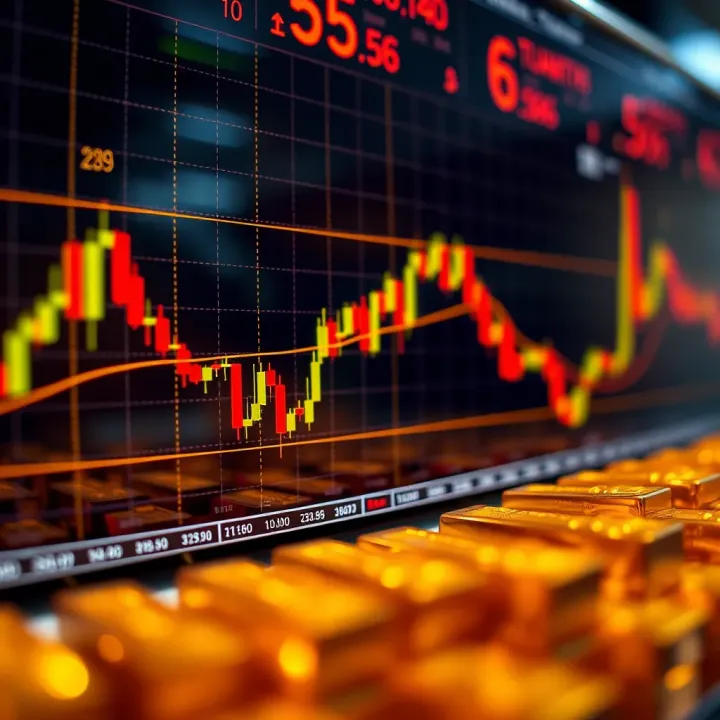
Explore how XAU/USD signals guide gold trading in Pakistan 📈. Learn types, strategies, price factors, and risk tips for smarter investing decisions 💰.
Based on 7 reviews