

Understanding Margin in Trading for Pakistan Traders
📊 Learn how margin works in trading, understand risks, margin calls, and boost your buying power safely in Pakistan’s markets with expert tips.
Edited By
Thomas Collins
Broker trading forms the backbone of Pakistan's investment ecosystem, linking investors to financial markets locally and internationally. For Pakistani investors, understanding how brokers operate is essential for making informed choices and executing trades efficiently.
A broker acts as an intermediary between you and the exchange, facilitating buying or selling of stocks, commodities, or currencies. Unlike self-directed trading, broker-assisted trading offers expert guidance, access to market insights, and sometimes, tailored financial advice.

In Pakistan, investors encounter various types of brokers. These include full-service brokers who provide comprehensive offerings such as portfolio management, research reports, and market analysis. On the other hand, discount brokers focus on executing trades at lower fees without extensive advisory services.
Choosing the right broker depends on your investment goals, trading frequency, and budget for fees.
Costs vary widely; full-service brokerage fees can run higher, often including account maintenance charges, while discount brokers charge per trade, appealing to active traders aiming to reduce expenses.
Beyond costs, regulatory compliance remains a crucial factor. The Securities and Exchange Commission of Pakistan (SECP) regulates brokerages to protect investors and maintain market integrity. Always ensure your broker is SECP-registered to avoid scams or unregulated platforms.
Pakistani investors typically use trading platforms like PSX’s (Pakistan Stock Exchange) online portals, or brokers’ dedicated systems that integrate with mobile apps for convenience. Familiarity with these platforms improves your ability to monitor markets, place orders quickly, and manage your portfolio on the go.
In summary, understanding broker roles, fee structures, and regulatory safeguards helps investors make better decisions. This foundation supports more confident trading and can improve overall returns while reducing risks commonly faced in Pakistan’s dynamic markets.
Broker trading is a fundamental part of investing, especially in markets like Pakistan, where individuals rely heavily on brokers to access shares, commodities, and other financial products. Understanding how broker trading works helps investors make informed decisions and avoid unnecessary costs or risks.
Broker trading involves buying and selling financial instruments—such as stocks, bonds, or commodities—through an intermediary called a broker. The broker acts on behalf of the investor, executing trades on exchanges like the Pakistan Stock Exchange (PSX). Essentially, brokers connect investors to the markets, facilitating transactions that individual investors cannot usually carry out directly.
Brokers provide more than just trade execution. They offer critical services like market advice, research, and access to various investment products. In Pakistan, brokers must be registered with the Securities and Exchange Commission of Pakistan (SECP), ensuring they follow regulatory standards to protect investors. Without brokers, ordinary investors would struggle to navigate complex financial markets or access investment opportunities confined to institutional players.
A reliable broker not only places your orders but also helps you understand market movements and manage risks, crucial for long-term investment success.
Pakistani investors often rely on brokers to access the PSX, mutual funds, and even commodities like gold. For example, a middle-class investor in Lahore wanting to buy shares of a company like Engro Corporation would approach a registered brokerage firm or use an online trading platform provided by brokers such as AKD Securities or JS Global. Brokers assist by opening trading accounts, offering trading apps, and guiding investors through necessary compliance like CNIC verification.
Plus, with the rise of mobile apps, many brokers now provide online platforms where investors can buy and sell shares anytime, anywhere. Still, understanding the broker’s fee structure, service quality, and the regulatory safeguards they adhere to is essential before starting trade.
In short, broker trading in Pakistan is the bridge connecting investors to financial markets, combining convenience with regulatory oversight. Knowing how brokers operate and their role is key to navigating Pakistan’s evolving investment environment efficiently.
Understanding the various brokerage services available in Pakistan helps investors make better choices suited to their trading style, budget, and level of experience. Brokers offer different kinds of services that range from fully managed investment support to simple, low-cost trade executions. Knowing these types helps you align your needs with a broker’s strengths.
Full-service brokers provide comprehensive assistance to investors, including market research, portfolio advice, and personalised trading strategies. They act more like financial advisors, guiding clients on when to buy or sell shares or other instruments. In Pakistan, companies like AKD Securities and Topline Securities fall under this category. They charge higher commissions but offer value-added services such as wealth management and tax guidance. This option works well for investors who prefer expert help and have sizeable portfolios, although the cost may deter smaller traders.
Discount brokers focus on providing basic trade executions at lower charges without extensive advisory. These brokers are ideal for self-directed investors who understand market dynamics and want to minimise cost. For instance, brokers like IGI Securities offer discount services with simpler platforms and fewer bells and whistles. Because they cut down advisory services, fees are generally lower, making them a popular choice in Pakistan for retail investors trading modest volumes.
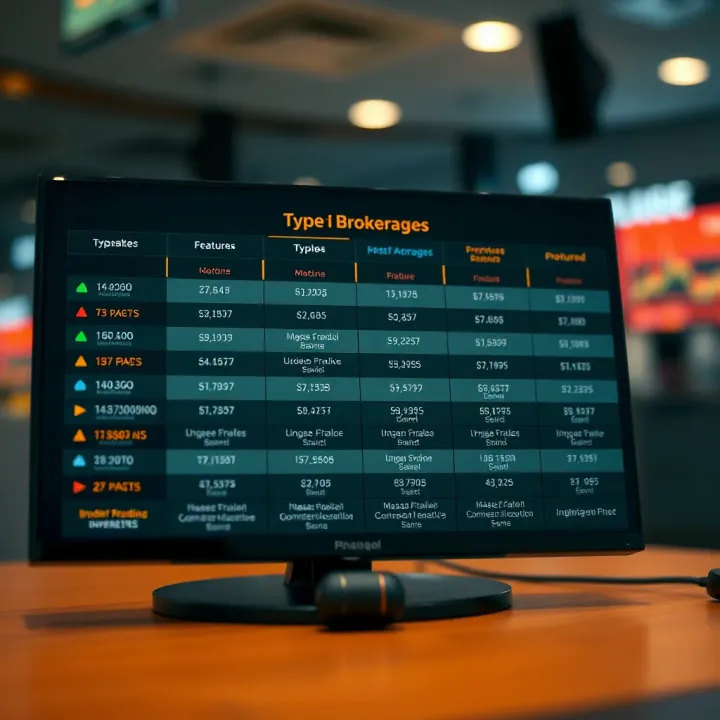
The rise of digital technology has brought many online and mobile platforms that facilitate fast, convenient trading. These platforms, such as PSX’s own app, Mettis, or private options like Interactive Brokers and local contenders offering web and app-based access, enable investors to trade from anywhere. They combine features from full-service and discount brokers, often providing research tools and low cost. For Pakistani investors facing frequent loadshedding or busy schedules, these platforms offer flexibility and quick trade executions. They usually charge minimal fees and rely on user-friendly interfaces, making them attractive for beginners and active traders alike.
Different brokerage services cater to varying investor needs — from expert advice with full-service brokers to cost-effective self-trading via discount brokers and highly accessible online platforms. Choosing the right type depends on your trading goals, knowledge, and how much support you require.
This understanding allows Pakistani investors to navigate broker options more confidently, ensuring they get the right balance of cost, convenience, and expertise for their trading journey.
Understanding the costs tied to broker trading is vital for Pakistani investors wanting to maximise returns. Beyond the price of shares or commodities, these fees directly affect overall profitability. Knowing what charges apply helps investors pick brokers wisely and manage their investments efficiently.
Commission is the most common cost investors face. It is a fee brokers charge for executing buy or sell orders on your behalf. In Pakistan, commission rates can vary widely depending on the broker's service type. For example, a full-service broker might charge between 0.15% to 0.35% per transaction, while discount brokers might offer a flat fee or lower percentage. Jazz Securities and Arif Habib Limited, two well-known firms, set their commissions differently based on client profiles and trading volumes.
Commission often depends on the transaction size and the market segment—equities, derivatives, or commodities. Some brokers include additional charges if trading at the Pakistan Stock Exchange (PSX) during peak hours. It's wise to clarify these costs upfront since they accumulate with every trade, heavily influencing net gains.
Apart from commission, investors should watch out for maintenance charges. Some brokers impose monthly or annual fees for keeping trading accounts active, covering services like portfolio tracking and account statements. For instance, a broker may charge Rs 500 per month as maintenance, which adds up if you trade infrequently.
Hidden fees could include charges for trade confirmations, SMS alerts, or withdrawing funds. Brokerage firms may also deduct fees related to regulatory levies mandated by the Securities and Exchange Commission of Pakistan (SECP) or the Central Depository Company (CDC). These smaller costs might seem trivial but can cut into your investment returns over time.
To avoid surprises, always request a fee schedule when opening an account.
Comparing brokerage costs helps investors find options that fit their trading style and budget. For example, if you trade frequently with small volumes, discount brokers like iBroker or MCB Arif Habib Savings might save you more because of their low commission rates. Conversely, if you prefer advisory services and research reports, the extra commission from full-service brokers might be justified.
Investors should also factor in technology fees if they use online or mobile trading platforms. Some brokers charge for real-time data access or premium tools. Karachi-based firms often bundle these charges, while others list them separately.
Tip: Calculate your annual trading volume and estimate total fees with different brokers before committing. This practice prevents overpaying and boosts your net profit.
In short, costs and fees are not merely additional charges but key elements that shape your trading experience and success in Pakistan's financial markets. Staying informed and comparing practices across brokers allows you to manage these expenses smartly.
Picking the right broker matters a lot for your investments. A suitable broker can save you money, provide better trading tools, and help you avoid risks. This section breaks down the key points to watch out for when you’re deciding on a broker in Pakistan.
Before you sign up with a broker, look at their fees, available investment options, and trading platforms. For example, some brokers charge low commissions but may have limited access to markets, while others offer a wide range of products but at a higher cost. Also, check if the broker supports mobile trading apps like those popular in Pakistan—many investors now prefer platforms like MCB Trade or JS Global’s app for ease of use.
Your own trading style counts too. If you trade frequently, lower commissions and fast trade execution will be important. For long-term investors, customer service and educational resources might matter more. Don’t forget to ask about minimum account balances, deposit options, and withdrawal processes. These practical details affect your overall experience.
Regulation ensures brokers operate fairly and transparently, protecting you from fraud or malpractice. In Pakistan, the Securities and Exchange Commission of Pakistan (SECP) oversees brokers. Always confirm that the broker is SECP licensed. This approval means the broker follows local laws on trading, client funds, and reporting.
For instance, unregulated brokers might lure investors with promises of high returns but leave them stranded when problems arise. A SECP-approved broker provides peace of mind and access to Pakistan Stock Exchange (PSX) markets under an official framework. Regular audits and compliance with SECP rules also limit risk.
Working with SECP-licensed brokers provides a safety net that can prevent scams and gives you legal recourse if things go wrong.
Good customer service is critical when you face challenges or need guidance. Pakistani investors often rely on brokers' helplines, WhatsApp support, or on-ground offices for quick solutions. Before committing, test their responsiveness by asking questions about account opening or trading processes.
Trading tools can make or break your trading edge. Platforms that provide real-time data, technical analysis charts, and news updates improve decision-making. For example, brokers offering access to Market Data Feed or integration with popular software like MetaTrader add value.
Remember, a responsive customer service team combined with intuitive, reliable trading tools helps you manage your investments confidently. It also eases learning if you are new to trading.
By keeping these points in mind, you can pick a broker that suits your needs, protects your money, and supports your trading journey in Pakistan’s market.
Investors in Pakistan rely on brokers to access various trading instruments and markets that offer diverse opportunities and risk profiles. Knowing which instruments are available and how they function is essential for making informed decisions and maximising returns. Brokers serve as the gateway to these financial products, each with its own features and considerations.
Equity shares represent ownership in a company and are among the most popular assets for Pakistani investors. These shares are actively traded on the Pakistan Stock Exchange (PSX), which hosts a broad range of listed companies across sectors like banking, textiles, energy, and telecom. For example, shares of companies such as Habib Bank Limited (HBL) and Pakistan Petroleum Limited (PPL) are frequently traded.
Investing in PSX requires understanding market volatility, company fundamentals, and economic factors impacting Pakistan’s domestic and export-oriented industries. Brokers provide access to real-time trading, portfolio tracking, and research reports, helping investors follow ticker movements like the KSE-100 index.
Mutual funds pool money from investors to buy a diversified portfolio of equities, bonds, or other assets managed by professionals. For Pakistani investors, mutual funds offer a way to reduce risk while gaining exposure to multiple sectors without buying shares individually. Examples include funds offered by MCB-Arif Habib Savings & Investments or Al Meezan Investment Management.
Besides mutual funds, brokers can facilitate access to savings plans, pension funds, and government securities such as Pakistan Investment Bonds (PIBs). These products cater to investors seeking steady returns or capital preservation, especially those hesitant about market volatility.
Forex trading is available through brokers authorised by the State Bank of Pakistan and regulated by the Securities and Exchange Commission of Pakistan (SECP). Traders can speculate on currency pairs like USD/PKR, EUR/PKR, or GBP/PKR, which are influenced by factors such as monetary policy decisions, political events, and remittance flows.
Commodity trading in Pakistan primarily revolves around agricultural products, metals, and energy resources. Brokers enable clients to trade commodities like wheat, cotton, gold, and oil through platforms connected to regional exchanges or international markets. This offers portfolio diversification and hedging against inflation or rupee depreciation.
Understanding the different markets and instruments available through brokers empowers Pakistani investors to align their strategies with their risk appetite and financial goals.
When choosing a broker, verify which instruments they support and assess the quality of trading platforms, pricing, and market research provided. This ensures smooth execution and access to the opportunities that best fit your investment profile.
Trading with a broker can be rewarding, but success depends on understanding key factors that impact your investments. Knowing how to interpret market trends, manage risks, and stay updated with regulatory changes will help you use broker support effectively and protect your capital.
Reading market trends is essential for making informed decisions. In Pakistan, stock prices on the Pakistan Stock Exchange (PSX) often follow patterns influenced by local economic conditions, political developments, and global market shifts. For instance, announcements by the State Bank of Pakistan (SBP) about interest rate changes can move market sentiment substantially. Utilising your broker’s research reports or analytic tools, such as real-time charts and volume data, gives you an edge. These tools help spot buying or selling signals early, allowing timely trades. Don't rely solely on tips from friends or social media—depend on solid trend analysis and keep an eye on sector performance, such as banking or textiles, to make better bets.
Risk management is another area where brokers can assist you. They can offer stop-loss orders to limit your losses if a stock price falls beyond a set point. For example, if you buy a stock at Rs 100 and set a stop-loss at Rs 90, your broker automatically sells it if it hits Rs 90, protecting your investment. Diversifying your portfolio across different industries also reduces risk. Your broker can guide you in choosing a mix of equities, mutual funds, or commodities according to your risk tolerance. Additionally, always discuss margin trading risks with your broker, as borrowing money to buy stocks can amplify both gains and losses.
Pakistan’s financial regulations can change swiftly, affecting investment options and tax obligations. The Securities and Exchange Commission of Pakistan (SECP) and Federal Board of Revenue (FBR) often announce updates regarding trading limits, disclosure requirements, or tax deductions on dividends and capital gains. Your broker should keep you informed about these changes through newsletters or direct communication. Staying updated ensures you comply with the law to avoid fines or blocked accounts. For example, when FBR updated tax deduction rates on stock profits in FY 2023-24, many investors adjusted their strategies promptly to avoid surprise tax bills.
Successful trading with a broker goes beyond buying and selling; it requires continuous learning, risk control, and staying compliant with regulations. Regular discussions with your broker can clarify doubts and improve your trades.
By actively using your broker’s resources for market insights, risk tools, and regulatory updates, you stand a better chance of making profitable decisions while safeguarding your investments.
📊 Learn how margin works in trading, understand risks, margin calls, and boost your buying power safely in Pakistan’s markets with expert tips.

📈 Dive into CFDs trading in Pakistan! Learn how CFDs work, spot risks, pick brokers, and get practical tips for smart, responsible trading.

📊 Master trading graphs to boost your trading in Pakistan's markets! Learn types, interpretations & tips to spot trends and trade smart confidently.

📈 Learn how to read trading charts and spot trends effectively. A clear guide for traders in Pakistan to improve decision-making and avoid common charting mistakes.
Based on 13 reviews