
Top Trading Platforms in Pakistan: Find Your Best Fit
Explore top trading platforms in Pakistan with detailed insights on features, fees, security, and user fit to choose the best one for your trading needs 📈💼
Edited By
Isabelle Turner
Trading has caught the eye of many Pakistanis, from Karachi to Lahore, as more folks look to grow their savings beyond the usual bank accounts. But jumping into the world of trading without understanding the tools — especially trading platforms — can be like trying to drive without knowing the traffic rules. This guide breaks down what trading platforms are, why they matter, and what any Pakistani investor should keep in mind before picking one.
Choosing the right platform isn’t just about picking one that looks shiny or promises quick profits. It’s about finding a tool that fits your goals, budget, and pace of learning. Whether you're a newbie getting your feet wet or someone well-versed in stocks and forex, knowing the nuts and bolts of various platforms can make the difference between a smooth ride and a bumpy one.
In this article, we’ll cover the basics of trading platforms, explore the types available in Pakistan’s market, discuss important features and security aspects, and even dig into regulatory stuff that often goes unnoticed. Along the way, you’ll find practical tips tailored specifically for Pakistani investors to help you make better choices and trade smarter.
Remember: A trading platform is your window to the market. If that window is fogged up or cracked, you won’t get a clear view of what’s happening outside.
Trading platforms are the backbone of modern investing and trading, especially for Pakistani investors eager to tap into both local and global markets. Understanding what these platforms actually do and how they operate is key to making smarter trading decisions. These tools aren't just software—they're the interface where traders place their bets, gather market info, and keep an eye on their portfolios all in real time.
A trading platform is software that lets investors buy and sell financial products like stocks, bonds, commodities, or currencies. Imagine it like a digital marketplace where buyers and sellers meet. It provides the necessary tools for placing orders, checking prices, and reviewing live market data. For Pakistani traders, popular platforms like IG Markets or local choices like JS Research give a window into both national and international markets.
Trading platforms level the playing field by giving individuals direct access to exchanges without needing to go through physical brokers. They reduce the time, cost, and complexity associated with investing. They also help facilitate liquidity and price discovery, making markets more transparent and efficient. For example, when Karachi Stock Exchange integrates with online platforms, investors can trade as swiftly as they would on Wall Street or the London Exchange.
Orders come in various flavors—market orders, limit orders, stop-loss, and more. Market orders execute immediately at the current price, while limit orders allow you to specify the price you're willing to pay or accept. Platforms process these orders by routing them to exchanges or liquidity providers. Quick execution is vital, especially if you're day trading or trying to avoid slippage in volatile stocks like those of Pakistan's oil and gas sector.
Most platforms connect directly with stock exchanges, like the Pakistan Stock Exchange, or with brokers who then act as intermediaries. This connection determines how quickly and reliably your order gets filled. For instance, PSX-listed stocks usually execute faster and more reliably on platforms tied to local brokers like MCB Arif Habib Savings and Investments compared to international platforms which may have some lag due to cross-border processing.
In trading, milliseconds can mean the difference between a good deal and a missed opportunity. Knowing how your platform executes orders and interacts with the market can save you money and stress.
In sum, understanding what trading platforms are and how they operate is like knowing the rules of a game before playing. It empowers investors to choose the right tools and be confident in their trades. In Pakistan’s growing investment community, this basic knowledge helps pave the way for smarter, safer market participation.
Understanding the varieties of trading platforms is essential for Pakistani investors aiming to pick the right tool for their trading journey. Different platforms cater to different trader needs, from high-powered desktop setups to on-the-go mobile apps. Each type has its nuances, benefits, and drawbacks, so knowing these helps investors avoid pitfalls and trade smarter.
Desktop trading platforms typically offer a comprehensive set of tools—think advanced charting, custom indicators, and swift order execution. These platforms often require installation on your PC or laptop and are favored by serious traders who spend a chunk of their day analyzing markets. For example, MetaTrader 5 and TradeStation feature rich interfaces and allow traders to customize dashboards extensively, which is great for those who prefer a tailored workspace.
The biggest advantage here is power and speed. Desktop platforms handle heavy data loads and provide faster order processing, which matters a lot when you’re reacting to market swings in seconds. They’re less prone to crashing or lagging compared to web-based versions, especially if your internet is spotty—a common challenge in some regions of Pakistan. Plus, features like automated trading scripts and deep analytics are usually exclusive to desktop setups.
Web platforms score high on convenience. No installations, just log in from any browser and you’re good to go. This flexibility makes them attractive for casual traders or those who want to check their portfolio from different devices. Examples like Interactive Brokers' web portal or TD Ameritrade’s web platform offer enough tools for basic trading and market analysis without the bulk of desktop software.
However, web platforms often lack the full range of advanced tools and speed that desktops provide. They might run slower due to internet fluctuations and can freeze with heavy data or complex charting tasks. For Pakistani traders dealing with intermittent bandwidth, this can be a frustration. Also, some web platforms limit customization, which means you get a more generic experience.
Mobile trading apps put the market in your pocket. They’ve improved vastly, moving beyond just viewing quotes to supporting order placements, alerts, and even technical analysis. Apps must balance usability with functionality—simple enough for quick trades but capable enough not to leave advanced traders hanging. The challenge is screens are smaller and input is less precise, so app design focuses on intuitive layout and ease of navigation.
Pakistani investors commonly use mobile apps like PSX’s e-Value, which connects directly to the Pakistan Stock Exchange, offering real-time data and trading features. Others include international apps like MetaTrader 4 and InvestMate, which support forex and CFDs alongside stocks. These apps have become go-to tools for traders who want quick access to markets whether commuting, waiting in line, or during breaks.
Picking the right platform type depends on your trading style, tech comfort, and the kind of markets you’re interested in. Desktop platforms serve heavy-duty needs, web offers flexibility, and mobile apps deliver convenience. For Pakistani investors, combining these based on circumstances is not uncommon.
Choosing wisely means trading effectively, with the tools that suit your lifestyle and goals best.
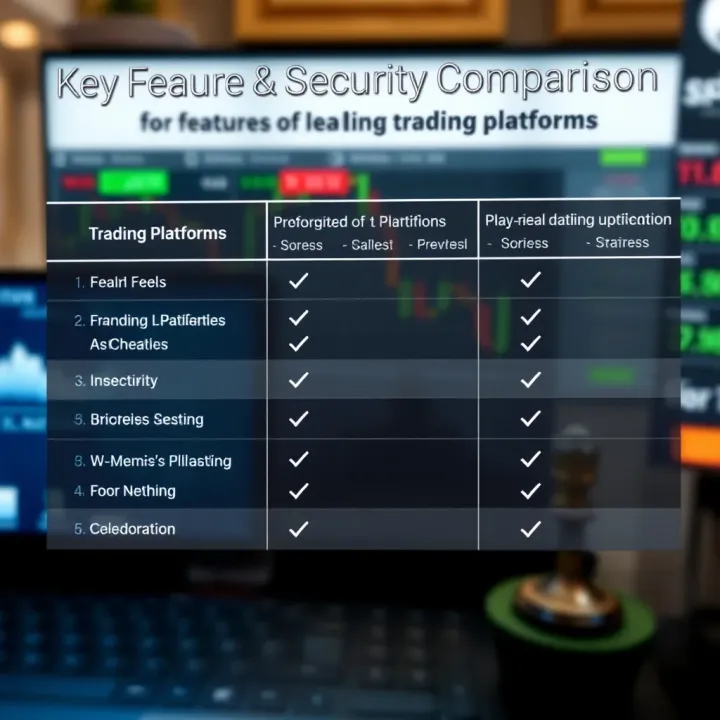
When picking a trading platform, especially for Pakistani investors, focusing on core features can mean the difference between a smooth trade or a costly mistake. These features aren’t just bells and whistles—they directly affect how efficiently you manage trades, analyze markets, and protect your investments. Whether you're a newbie or a seasoned trader, understanding what to look for helps cut through the noise and zero in on a platform that actually serves your needs.
Ease of navigation is often underestimated but hugely important. A platform that's intuitive saves time and reduces errors. Imagine trying to buy shares quickly during a sudden market dip, but fumbling through a cluttered interface—that’s money left on the table. For example, platforms like PSX’s UTrade offer straightforward layouts with clear menus, making it easy for Pakistani traders to place orders without second-guessing. The smoother the navigation, the faster you react, which can make a big difference in volatile markets.
Customization options let you tailor the platform to your exact trading style. Say you’re mainly watching textile stocks; being able to save specific watchlists or set alerts for price changes on select companies can save heaps of time. Good platforms let you adjust dashboards, choose themes, and set default order types so you’re not constantly clicking around. This custom fit approach turns a generic trading environment into your personal cockpit.
Charts, indicators, and reports are the backbone of informed trading decisions. Without solid analytical tools, you’re flying blind. Major platforms used in Pakistan, like JS Global’s online service, come equipped with candlestick charts, moving averages, RSI, and other tools traders swear by. These indicators let you spot trends and reversals before they hit mainstream news.
Real-time data access makes sure you’re not acting on yesterday's news. Market conditions shift in the blink of an eye, and having up-to-the-second ticker info is a must. Pakistani investors trading on platforms like AlMeezan's Exec360 get live quotes and updates, helping them react immediately. Delayed data can mean missing out on the best entry or exit points.
Importance for active traders can’t be overstated. If you’re day-trading or scalping, every millisecond counts. Fast execution means your market or limit order matches current prices before they change. Imagine trying to catch a falling knife and the platform lags—you could end up buying at a worse price or missing the trade altogether.
Factors affecting performance include server location, internet connection quality, and the platform’s architecture. A local Pakistani server versus one hosted abroad can shave precious delays. Additionally, platforms that handle traffic spikes well prevent crashes during busy sessions, which is crucial when markets are volatile.
Encryption and data protection are non-negotiables. Think of your trading platform like a digital vault holding sensitive financial info. Top-tier encryption methods, such as AES 256-bit, keep hackers at bay. Brands like IG Markets and Interactive Brokers invest heavily in these safeguards, offering peace of mind that your data and trades stay secure.
Authentication methods provide the next layer of defense. Two-factor authentication (2FA) is standard for serious platforms, requiring a password plus a code from your phone or email. Some platforms even use biometric authentication for an extra lock. For Pakistani users, where cyber threats are on the rise, enabling these options is a straightforward way to keep accounts safe from fraud.
In the fast-moving world of trading, a platform’s core features aren't just nice add-ons—they’re essential tools that directly affect your success and safety as an investor. Focus on ease of use, strong analytics, quick trade execution, and solid security to build a trading setup that works for you.
For Pakistani investors, knowing which trading platforms are widely used and trusted can make a world of difference. These platforms serve as the gateway to the stock markets, allowing traders to buy and sell shares with ease and confidence. Picking a platform that's popular locally means you benefit from better customer support, familiarity with local regulations, and often, services tailored to the Pakistani market. In this section, we'll examine both local brokers and international platforms that Pakistani traders often rely on.
When it comes to local brokerage platforms, names like AKD Securities, JS Global Capital, and Al Meezan Investment Management often spring up in conversations. These platforms not only have a solid reputation but are also compliant with Pakistan's Securities and Exchange Commission regulations. AKD Securities, for example, offers a user-friendly trading interface and a robust research division, making it attractive for both beginners and seasoned traders. JS Global Capital is known for its comprehensive market insights and customer-centric services that cater specifically to Pakistan's trading ecosystem.
Local brokerage platforms typically offer a full spectrum of services beyond trading execution. This includes portfolio management, detailed market analysis, and personalized financial advice geared towards the Pakistani market. Many also provide access to equities listed on the Pakistan Stock Exchange (PSX), government bonds, mutual funds, and other locally regulated financial products. Additionally, they often extend educational resources and workshops to help traders sharpen skills. Local client support, available in Urdu and English, often makes resolving issues quicker and smoother compared to international platforms.
International platforms like Interactive Brokers, eToro, and TD Ameritrade are accessible to Pakistani investors, offering a broader range of global markets and products. However, there are certain restrictions—some platforms may limit direct stocks trading for residents of Pakistan or require additional documentation for account verification. For example, Interactive Brokers supports Pakistani clients but requires KYC documents that might take time to verify. Pay attention to currency conversion fees since trading on US or European exchanges involves currency exchanges often priced less favorably than local brokers.
A major distinction between international and local platforms lies in the variety and scope of investment options. International platforms offer access to global stocks, ETFs, options, and futures, which are typically not available through local brokers. Yet, international platforms might have less responsive customer support for Pakistani users and lack localized investment insights. Also, international platforms tend to operate under different regulatory bodies, which means Pakistani traders must double-check compliance with local tax laws and reporting requirements.
Choosing between local and international platforms depends heavily on your investment goals—whether you're focused on Pakistan's market or seeking diversification through global assets.
Both local and international platforms come with their pros and cons, so understanding your priorities and doing a bit of legwork on platform features, fees, and customer support will put you in the driver's seat.
Regulations play a big role in shaping how trading platforms operate in Pakistan. Without clear rules, investors might face risks like fraud, unfair trading practices, or data breaches. By setting regulatory frameworks, authorities help protect traders and ensure smoother market functioning. For Pakistani investors, understanding these regulations means being able to choose platforms that play by the rules and offer a safer trading environment.
The SECP is the watchdog for financial markets in Pakistan, including the trading platforms. They set licensing requirements which are mandatory for any platform operating legally within the country. This licensing ensures platforms meet basic standards—like having enough capital, technological infrastructure, and trained staff—to provide reliable services.
For example, if a platform lacks SECP approval, it might not have proper risk management systems in place, increasing chances of losses or data mishandling. So, before opening an account, Pakistani investors should verify if their chosen platform is SECP-licensed to avoid such pitfalls.
Consumer protection policies form another pillar of SECP’s role. They set rules to guard investors’ rights, such as clear disclosure of fees, transparent order execution, and quick dispute resolution mechanisms. If a trader faces unfair practices or technical glitches causing losses, these policies provide avenues for complaints and compensation. SECP’s oversight here is particularly useful in a country like Pakistan, where investor confidence is still improving.
Platforms approved by SECP tend to be more reliable because they follow strict guidelines designed to protect buyers and ensure fairness.
One direct result of these regulations is increased transparency. Trading platforms must regularly disclose information about their operations, financial health, and transaction histories. This openness makes it easier for investors to see what’s going on behind the scenes and trust the platform.
Transparency also reduces chances for manipulation or hidden fees. For instance, platforms registered with SECP submit audited financial reports which are periodically reviewed. This means if a platform suddenly changes its fee structure or faces financial trouble, investors can get timely warnings.
Compliance isn’t just paperwork; it strongly impacts how platforms operate daily. They have to maintain up-to-date security protocols, keep customer records accurately, and ensure fair trade execution. Non-compliance can lead to hefty penalties or even license revocation, which discourages reckless behavior.
For Pakistani traders, this means platforms are more likely to prioritize user data protection and system reliability. However, traders should remain vigilant and regularly check if their platform adheres to the latest SECP notifications.
In summary, regulations by SECP and compliance requirements act as a safety net for Pakistani investors, promoting trust and stability in the trading ecosystem. Choosing platforms aligned with these standards is a smart step toward safer and more efficient investing.
Security is a big deal when you're dealing with trading platforms, especially for Pakistani investors who might not have extensive protective layers due to regional limitations. Making sure your assets and personal info are secure helps you avoid nasty surprises, like losing money to cybercriminals or falling victim to scams. It’s not just about avoiding trouble—it’s about trading with confidence and peace of mind.
Trading platforms must balance user convenience with strong safeguards. Understanding the risk landscape lets you keep a step ahead when it comes to protecting your trades and data.
Phishing scams are crafty attempts where fraudsters pose as legit traders or brokers to steal sensitive info like passwords or bank details. For example, you might receive an email that looks like it’s from your brokerage but actually tricks you into entering login credentials on a fake website. Hacking is another threat—attackers exploit platform vulnerabilities to break into accounts or disrupt service. Recently, a Pakistani trader reported losing funds when attackers breached his account due to weak password practices.
To keep safe, always double-check sender emails and URLs before logging in or clicking links. Using two-factor authentication (2FA) adds an extra layer of protection, because even if your password is grabbed, hackers can’t get access without the second step.
Spotting scams requires being a little suspicious of out-of-the-blue offers or anything promising guaranteed returns. A common scam lure is a platform asking for upfront fees to 'unlock' special features or insider tips. If a deal sounds too good to be true, it usually is.
Other red flags include unsolicited calls or messages pressuring you to act fast, badly written communication, or requests for account credentials through unofficial channels. Stay cautious and report suspicious activity to your brokerage and SECP.
Remember: Legitimate platforms never ask for your password or personal info via email or phone.
Don’t make it easy for cybercriminals—use strong, unique passwords for your trading accounts. Password managers like LastPass or Bitwarden can help you manage these without needing to memorize complicated strings.
Regularly update your software and apps to patch security holes. When using mobile trading apps, avoid public Wi-Fi or use a trusted VPN to prevent data interception. Also, review your account activity frequently for unusual transactions.
Trading platforms bear serious responsibility for shielding your data. This means encrypting information, employing firewalls, and regularly auditing their systems for vulnerabilities. Some platforms provide alerts if suspicious login attempts occur, which can be lifesaving.
In Pakistan, platforms complying with SECP regulations must follow certain data protection rules to avoid hefty penalties and protect users. Transparency about security policies boosts trust and helps users understand what measures are in place.
To wrap it up, security isn’t just an IT problem—every trader must play their part, and platforms have to lead by example. Knowing how threats work and what both parties should do makes the trading environment safer for everybody.
Understanding the costs involved in using trading platforms is just as important as knowing how to use them. For Pakistani investors, fees can directly eat into profits or affect overall investment strategies. Evaluating these costs upfront helps you avoid surprises and choose a platform that fits your budget and trading style. The right knowledge means you spend less on unnecessary charges and keep more of your returns.
When trading, commissions are the fees charged by brokers or platforms for executing buy or sell orders. These usually come in two forms: flat fees and percentage-based commissions.
Flat fees mean you pay a fixed amount per trade regardless of its size. For example, a platform might charge PKR 100 for every trade, whether you're buying 10 shares or 1000. This setup is easier to predict and can benefit high-volume trades.
Percentage-based fees take a slice of the trade’s value. If the commission is 0.1%, a trade of PKR 100,000 would cost PKR 100. This model suits smaller trades better but can get pricey if you’re trading large amounts frequently.
Pakistani platforms like PSX’s own brokerage services often lean towards percentage-based commissions, with rates ranging from 0.1% to 0.25% per trade. International platforms accessible to Pakistani investors sometimes offer flat fees, especially for foreign exchange or commodity trades.
Understanding which commission structure your platform uses helps you forecast your expenses and decide whether it suits your trading frequency and average investment size.
In Pakistan, broker commissions for the Pakistan Stock Exchange usually sit between 0.1% and 0.25% per trade value. This range can vary depending on the brokerage firm and the asset type. For instance, brokers like AKD Securities or Habib Metro offer competitive rates often starting at 0.15%.
Foreign platforms like Interactive Brokers may offer flat fees starting as low as $1 per trade but require currency conversion fees on top, adding complexity for Pakistani users.
It's important to check with your chosen platform about minimum fees, as some brokers impose a baseline charge even if your percentage calculation results in a smaller number.
Besides obvious commissions, several less visible fees can confuse traders and reduce profits if overlooked.
Withdrawal fees: When you transfer your funds out of a trading account, many platforms apply withdrawal charges. For example, some brokers in Pakistan may charge PKR 500 to PKR 1000 per withdrawal or a certain percentage of the amount. Frequent withdrawals can add up quickly.
Inactivity and data costs: Some platforms charge fees if your account stays inactive for an extended period. Such fees might range from a small monthly amount to a percentage of your account balance. Additionally, real-time market data often isn’t free. Platforms may bill users separately for premium charts, quotes, or live feeds, which are crucial for active traders.
Always read the fine print on fees before starting. Hidden charges, while small individually, can significantly impact your bottom line over time.
In Pakistan, many local platforms bundle some data access in their packages but watch for extra charges on advanced tools or reports. International platforms may offer tiered services where deeper market data costs extra.
Understanding the full suite of fees—including those less talked about—helps you pick a trading platform that matches both your needs and your wallet.
By keeping a sharp eye on fee structures and hidden costs, Pakistani investors can make trading more cost-effective and avoid unexpected losses. Familiarity with local broker offerings and international options sets the stage for smarter investment decisions.
Picking the right trading platform can make a huge difference in your investing journey, especially for Pakistani traders who need a tool that fits their unique needs and local market conditions. This section lays out the key steps to figure out the best platform for you, focusing on practical considerations like your personal trading style, the features you value, and the quality of support you can get. Taking the time to evaluate these factors helps avoid hassle down the road and improves your chances of success by using a platform that clicks with how you like to trade.
Your investment goals and style are like the compass for choosing a trading platform. Are you aiming for long-term growth, or do you want to swing trade daily? For instance, if you prefer holding stocks for years, platforms offering detailed research reports and solid long-term data—like Karachi Stock Exchange’s native platforms or international ones such as Interactive Brokers—would suit you better. On the other hand, if you're an active trader wanting lightning-fast execution, platforms like MetaTrader 5 or IQ Option with real-time data and quick order capabilities might be the way to go.
Knowing your risk appetite also matters. Conservative investors might prioritize platforms with robust risk management tools, while aggressive traders might want more flexible margin options. Before you commit, write down your goals clearly and see what platform features align best with them.
How often and how much you trade daily or monthly matters more than many realize. If you’re a casual investor placing only a few trades a month, low fees are essential, so platforms with flat or minimal charges like PSX’s local brokerage apps might keep your costs down. On the flip side, active or high-volume traders must be mindful of commissions that pile up quickly on percentage-based fee structures, as even small differences can eat into profits.
Also, platforms catering to frequent traders usually offer enhanced tools—think advanced charting, automated trading options, and fast order execution—which casual traders might not need. Getting this balance right means you don't pay for stuff you'll never use but also don’t miss out on vital features if you get more active.
Good customer service is often the unsung hero in trading. Imagine your internet drops during a crucial market move; quick access to an efficient support team saves you from headaches and potential losses. Pakistani users should look for brokers or platforms offering responsive local support with Urdu/Hindi language options, like HBL Konnect or UBL Omni’s brokerage services.
A platform that offers multiple contact options—live chat, phone, and email—plus fast resolution times will keep your trading smooth. It’s worth testing the support before signing up: ask a few questions and see how quickly and clearly they respond.
Trading isn't just about clicking buttons; it requires understanding market basics and platform mechanics. Platforms with built-in learning centers, like TD Ameritrade or local hubs such as Mettis Global Finance, offer videos, webinars and tutorials tailored for beginners and seasoned traders alike.
For Pakistani investors, accessible educational materials that explain local market specifics alongside global trading concepts can bridge knowledge gaps. Choosing a platform with strong educational support helps you avoid common pitfalls and become more confident in your trades faster.
Picking a platform isn't a one-size-fits-all deal — taking stock of your personal trading habits and the platform’s support capabilities can save you from costly mistakes and wasted time.
By carefully sizing up these factors, Pakistani investors can make a more informed decision, ensuring their trading platform matches their style, frequency, and support expectations. This groundwork smooths the path to smarter trading and better outcomes in a market that's ever-changing.
Using a trading platform isn't just about clicking buttons—it’s about understanding how to make the most out of the tools at your disposal. For Pakistani investors, where markets can be volatile and opportunities fleeting, mastering your platform can make the difference between gains and losses. This section highlights practical steps and tips to become a confident user, ensuring your trading routine is smooth and responsive.
Starting off on the right foot means setting up your account properly. Most Pakistani brokerage platforms require you to provide a valid CNIC (Computerized National Identity Card) and complete a Know Your Customer (KYC) process. This typically involves submitting proof of income and bank details for fund transfer verification.
Getting these steps done carefully is critical: without fully verified accounts, you won't be able to deposit funds or place trades. For example, platforms like PSX’s web portal or brokerage apps such as JS Global have clear step-by-step signups but always double-check personal info for errors to avoid delays.
Tip: Keep your documents ready and scanned for faster verification; some brokers even offer instant digital verification which speeds things up.
Once your account is active, the next step is to get cozy with the interface. Whether you're using a desktop platform or a mobile app, effective navigation can save a lot of headaches.
Start by locating essential menus: market watch lists, order entry screens, and portfolio summaries. Some platforms like KTrade or Alfalah Securities allow you to customize your dashboard so you can view your frequently traded stocks or preferred market sectors right at launch. Don’t hesitate to experiment with features like alerts or watchlists to stay on top of market moves.
Remember, speed matters in trading – knowing where to find your tools quickly reduces the risk of missing a good trade or leaving an order half done.
Placing an order might seem straightforward, but there are nuances every trader should know. Most Pakistani platforms support basic order types like market orders (buy/sell at current price) and limit orders (set price threshold). Understanding these can help control execution price, especially during volatile times.
If you're day trading on platforms like IGI Securities or Shajar Capital, using limit orders can prevent surprises by avoiding slippage, where you get a worse price than anticipated. Also, keep an eye on additional options such as stop-loss orders which automatically close a position to limit losses.
Practical advice: Always confirm order details before submission. Mistakes in quantity or symbol can lead to unintended trades, which can get costly.
Trading doesn’t stop once an order is filled. Monitoring your positions closely enables timely decisions. Most trading platforms provide real-time updates on portfolio value, gains/losses, and dividend history.
For example, EasyPaisa’s investment tools and MUFG Securities platforms provide graphical summaries and alerts when prices hit your preset targets. This real-time feedback helps investors in Pakistan adapt fast—locking profits or cutting losses early—without constantly refreshing market pages.
Keep an eye not just on your individual stocks but also on overall portfolio diversification to manage risk better. Some platforms even include performance benchmarking against indices like KSE-100 to see how well your holdings stack up.
Developing proficiency in using your chosen trading platform is essential for seizing trading opportunities and managing risks efficiently. By focusing on clear account setup, effective navigation, precise order placement, and diligent portfolio monitoring, Pakistani investors can trade smarter and with greater confidence.
The world of trading platforms is rapidly evolving, bringing new tools and features that can significantly impact how investors manage their portfolios. Staying on top of these trends helps Pakistani traders take advantage of the latest technologies to improve trading efficiency, reduce risks, and increase profitability. Innovations like automated trading and social trading communities are no longer just buzzwords—they’re becoming practical resources that everyday investors can use.
Automated trading uses computer algorithms to execute trades based on predefined rules, removing the guesswork and emotion from buying and selling decisions. For example, a trader might set up an algorithm to buy shares of a stock when its price falls below a certain level and sell when it rises above another. These algorithms continuously scan the market and handle orders instantly, which is something a human trader can’t match in speed or consistency.
This technology is especially useful for Pakistani investors who want to handle multiple trades or markets without staring at screens all day. Automation can also monitor complex indicators simultaneously, making it easier to react to market shifts that might otherwise go unnoticed.
For the average trader, automation means a chance to simplify and systematize their approach. Instead of manually placing every order, they can rely on bots to do the routine work while focusing on strategy adjustment and learning. However, it's important to remember that automated systems work best when built on sound trading strategies and need regular tuning.
While automation optimizes execution speed and can work 24/7, not all platforms in Pakistan offer sophisticated algo-trading features. Investors should look for platforms like Interactive Brokers or MetaTrader that support automated trading tools suited to their skill levels.
Social trading lets traders follow and copy the moves of more experienced investors, making it easier for beginners to learn and potentially profit without years of expertise. Copy trading works like this: you pick a trader whose performance you admire, and your trades automatically mirror theirs, proportional to the amount you're investing.
This concept has grown popular worldwide and is becoming more accessible in Pakistan with platforms like eToro and ZuluTrade, sometimes available through local brokers. For investors hesitant to take big risks on their own, copy trading provides a stepping stone while they build confidence and skills.
Beyond just copying trades, many platforms now include community features — forums, chat rooms, and news feeds — where traders exchange ideas, share insights, and discuss strategies. This social aspect can be a big plus, as it turns trading from a lonely task into a shared experience.
In Pakistan, these communities can also help bridge knowledge gaps, offering local perspectives on global markets or regional economic events. For instance, platforms with integrated chats allow traders to quickly gauge market sentiment or warn each other about suspicious schemes.
Remember: While social trading and automation make trading more accessible, they don’t eliminate risks. Always combine these tools with your own research and risk management.
By embracing these trends—automated trading and social integrations—Pakistani investors can enhance how they trade, getting closer to professional-grade tools without needing advanced degrees in finance or computer science.
Trading in Pakistan has grown steadily, yet it faces unique challenges tied to local infrastructure and access. Understanding these hurdles helps investors grasp the full picture and plan better. Looking ahead, the landscape is ripe with potential, driven by rising public interest and advancing education initiatives. This section breaks down what stands in the way and what lies ahead for Pakistani traders.
Internet and technology barriers: Reliable internet access remains a stumbling block for many Pakistani traders, especially those outside major cities like Karachi or Lahore. Slow connections can delay real-time data, causing frustration and potentially missed trades. For example, a trader in rural Punjab might struggle with intermittent service, making it hard to keep up with fast market moves. Besides connectivity, outdated hardware or limited access to smartphones can hinder use of modern trading platforms, which often rely on quick, responsive interfaces.
Steps to improve access: Practical steps involve leveraging mobile networks, as Pakistan has widespread 3G and 4G coverage, even in less urban areas. Investing in affordable smartphones and data plans is foundational. Traders should also explore platforms that offer low-data modes or offline capabilities for research. On a broader level, government efforts to improve digital infrastructure and encourage financial tech innovation can open doors over time. Workshops or community training sessions can guide newcomers on how to maximize platform efficiency despite bandwidth constraints.
Public engagement trends: Over the past few years, more Pakistanis are showing curiosity about trading and investing, sparked by economic changes and success stories shared on social media. Platforms like PSX (Pakistan Stock Exchange) report increasing account openings, signaling rising engagement. This trend means more traders are willing to learn and participate but may still need guidance selecting the right platforms tailored to their needs.
Opportunities for education: This growing interest creates space for education initiatives. Brokerage firms, fintech startups, and educational institutes are starting to offer webinars, tutorials, and practical courses in Urdu and English, making learning more accessible. For instance, companies like Taurus Securities and Summit Capital provide workshops on how to use online platforms effectively. By focusing on real-world applications rather than theory, they help novice investors feel confident and avoid common pitfalls.
Building awareness and improving infrastructure are twin paths to boosting Pakistan's trading ecosystem. Together, they empower investors to engage smarter, safer, and with more confidence.
In summary, while challenges regarding internet coverage and tech access exist, they're steadily being tackled with practical solutions. Simultaneously, the rising wave of interest and educational resources sets a promising stage for Pakistani traders to thrive in the coming years.
Explore top trading platforms in Pakistan with detailed insights on features, fees, security, and user fit to choose the best one for your trading needs 📈💼
Explore trusted trading websites in Pakistan 📈 Learn to pick platforms, check regulations, secure trades 🔒, manage costs, & use smart tools effectively.
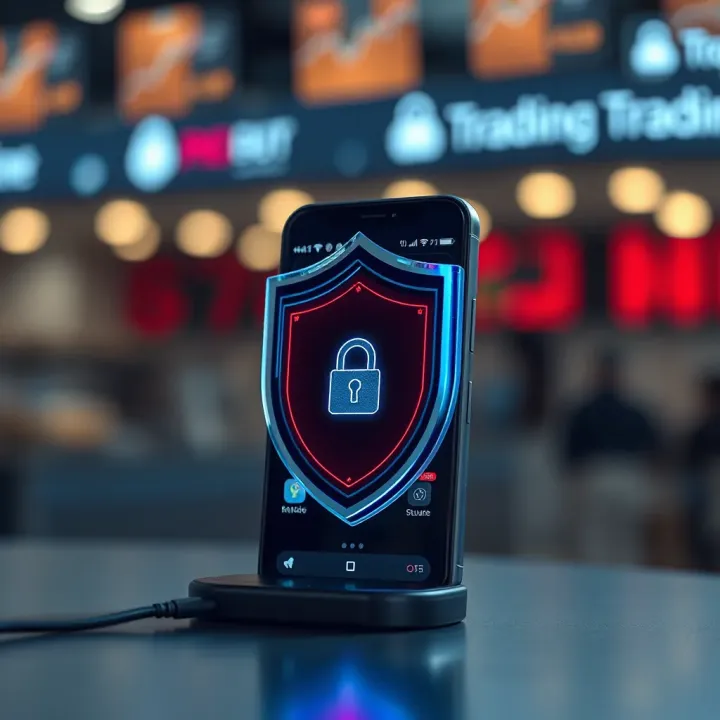
📈 Explore top trading apps in Pakistan! Learn features, security tips, and legal rules to pick the best platform for your local trading needs. 🇵🇰
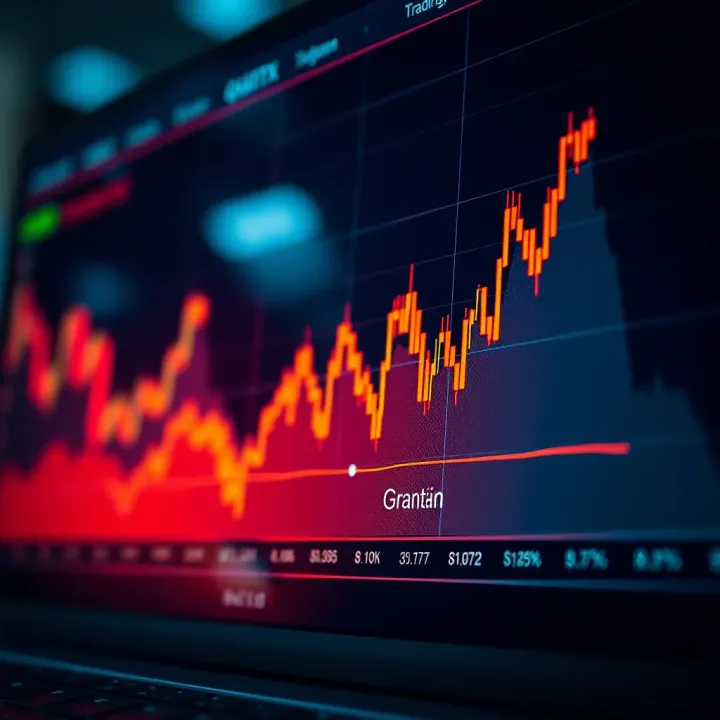
📈 Discover how to trade on Quotex in Pakistan! Learn about platform features, setting up accounts, trading options, smart strategies, and managing risks effectively.
Based on 6 reviews