

Trading Patterns Explained: Your PDF Guide
📊 Explore trading patterns with our detailed guide 📈 Learn to spot key market signals and pick the best PDFs for smart trading in Pakistan 🇵🇰
Edited By
Harry Wilson
Trading chart patterns serve as a backbone for many traders aiming to predict price movements and make informed decisions. Whether you are trading stocks, forex, or commodities, understanding these patterns can significantly improve your chances of success. This guide provides a practical look into various chart patterns, helping traders in Pakistan and elsewhere sharpen their skills using PDF resources.
For beginners and seasoned traders alike, chart patterns offer a window into market psychology—showing when buyers or sellers are likely to take control. Yet, the sheer volume of information available online can be overwhelming. That’s where carefully curated PDF guides come in handy. They organize key concepts, offer examples, and provide step-by-step methods in one accessible format.

This article walks you through the essentials: from the basics of what chart patterns represent, to how you can spot the most common ones like head and shoulders, double tops and bottoms, and flags. Beyond identification, we’ll explore practical applications including risk management and trend recognition. Plus, we’ll discuss how to select reliable PDF materials to deepen your understanding without sifting through scattered sources.
Mastering chart patterns isn’t about guesswork; it’s about seeing the signals clearly and acting on them with confidence.
In the following sections, we’ll cover:
What trading chart patterns are and why they matter
Popular and effective chart patterns to watch for
How to apply these patterns in real trading situations
Risk management principles connected to chart patterns
The benefits of using PDF guides for study and reference
By the end, you’ll have a solid framework for using chart patterns as part of your trading toolkit, making your strategies more grounded and well-informed.
Understanding trading chart patterns forms the backbone of effective market analysis. These patterns serve as visual cues on price charts, guiding traders to make informed decisions. In this section, we'll explore what trading chart patterns are, their significance, and why investing time in studying them can improve both timing and accuracy in trading.
Trading chart patterns are recognizable formations that appear on price charts due to the collective behavior of market participants. These shapes reflect the tug-of-war between buyers and sellers and hint at potential price moves. For example, a "Head and Shoulders" pattern often signals a pending reversal, offering traders a chance to anticipate trend shifts. Recognizing these formations helps traders spot entry or exit points, rather than making blind guesses.
In technical analysis, chart patterns act as a language spoken by price action. They complement other tools like moving averages or oscillators by visualizing market sentiment. For instance, combining a "Triangle" pattern with volume analysis can confirm whether a breakout is genuine or false. In essence, chart patterns provide context for price movements, helping traders avoid knee-jerk reactions to market noise.
Timing is everything in trading. Chart patterns help identify not just where the market might go but when it might make a move. For example, spotting a "Double Bottom" pattern forming near a support level can signal a good time to buy before prices surge. By studying these patterns, traders can better align their trades with market momentum, avoiding early or late entries.
While no method guarantees 100% accuracy, chart patterns offer probabilities. They allow traders to predict potential directions and set realistic targets. For example, after a "Flag" pattern, the price often continues in the prevailing trend direction. Understanding these signals helps in managing expectations and crafting strategies that factor in possible price scenarios.
"Chart patterns are not crystal balls but signposts that, when read correctly, guide traders through market ups and downs."
By mastering these fundamentals, traders in Pakistan and beyond can build a solid foundation to navigate markets confidently and efficiently.
Understanding common trading chart patterns is a must for anyone serious about trading. These patterns act like signposts, showing potential future price action based on historical market behavior. Grasping these can improve timing on entries and exits and allow traders to spot trend shifts before they happen.
Broadly, chart patterns fit into two buckets: reversal patterns and continuation patterns. Reversals signal a change in trend direction, while continuation patterns hint the existing trend will keep trucking. Spotting these correctly makes a huge difference in decision-making and risk management.
This is one of the most reliable reversal patterns out there. It gets its name because the price chart resembles a head flanked by two shoulders. You’ll notice a peak (shoulder), followed by a higher peak (head), then another lower peak (shoulder).
What to watch for? Once the price breaks the "neckline"—the support line connecting the bottoms of the shoulders—it usually signals the bull-run is over and bears are about to take charge. It’s a common sight in markets like the Pakistan Stock Exchange when a strong uptrend starts to falter. Traders often set stop-loss just above the right shoulder’s peak to limit risk.
Imagine the price hitting a resistance level twice, unable to push through twice (double top); or hitting support twice without breaking down (double bottom). These patterns indicate a shift is brewing.
For example, a double top forms a clear "M" shape, showing sellers forcing prices down after testing highs twice. Conversely, a double bottom looks like a "W", signaling buyers stepping in strongly twice to keep prices afloat. In volatile markets where sudden shifts happen, recognizing these formations early helps traders avoid getting trapped in false breakouts.
When resistance or support levels hold firm three times before price breaks away, that’s a triple top or bottom. It’s like the double pattern’s more stubborn cousin.
This pattern often suggests a stronger conviction that the current trend is ready to flip. For instance, during the 2019 bear run in tech stocks, some saw triple tops forming in Apple’s charts before a steady drop. Traders can use these patterns to confirm reversal signals, giving more confidence before pulling the trigger.
Triangles form when price action narrows into a tight range, creating converging trend lines. Think of it as a coiled spring. There are three types: ascending (bullish), descending (bearish), and symmetrical (neutral).
For example, an ascending triangle where the top resistance stays flat but the bottom creeps higher often leads to an upside breakout. Pakistani traders watching shares like Lucky Cement use this pattern to time breakouts in sideways markets. A key tip: Volume often decreases during the formation, then spikes upon breakout.
These are short-term continuation patterns often seen after a sharp move. Flags look like small rectangles slanting against the trend, while pennants form tiny symmetrical triangles.
Imagine a steep sprint paused briefly—a flag or pennant is that pause before resuming the run. Traders spot these patterns for quick, relatively low-risk entries following strong moves. If Volume supports a breakout in the flag’s direction, it increases confidence.
Rectangles arise when price bounces between horizontal resistance and support, consolidating before continuing the prior trend. It’s like the market is catching its breath.
This pattern offers clear entry and exit levels—buy near support, sell near resistance—but with an eye on breakout signals. For example, during uncertain market phases globally or in Pakistan, stocks often move inside rectangles before deciding one way or the other. Patience here tends to pay off.
Recognizing and understanding these patterns isn’t about predicting the future with absolute certainty. It’s about stacking the odds in your favor by reading market psychology straight off the charts.
Mastering common chart patterns equips traders with a toolkit to interpret market signals better and react decisively. Whether you’re day trading in Karachi or investing for the long haul, these patterns bring clarity amid market noise.
Chart patterns are more than just shapes on a screen; they're a language through which the market speaks. Understanding how to effectively use these patterns can drastically improve your trading decisions. In this section, we’ll explore how combining chart patterns with other indicators and applying smart entry and exit strategies can help you navigate markets more confidently.
Volume acts like the heartbeat in trading — it shows the strength behind price moves. When a chart pattern signals a potential breakout, for instance, confirming it with volume can make the signal much more reliable. For example, a triangle pattern break on high trading volume is more believable than one with thin volume because it suggests real interest driving the price.
Volume spikes during breakouts often mean that big players are involved, giving momentum traders extra confidence. However, if volume remains low despite a pattern breakout, it might be a false alarm, so it’s wise to hold back or prepare a tight stop-loss.
Indicators such as the Relative Strength Index (RSI) and Moving Average Convergence Divergence (MACD) serve as helpful companions to chart patterns. RSI tells you if an asset is overbought or oversold, which can add context to a reversal pattern. For example, spotting a double bottom when the RSI is showing oversold conditions strengthens the likelihood of a price rise.
MACD can reveal the momentum behind a pattern's breakout or breakdown. If a bullish breakout from a flag pattern coincides with MACD crossing above its signal line, that alignment could indicate a stronger move ahead. Using these indicators in tandem with chart patterns helps filter out noise and boosts confidence in trading decisions.
Spotting the right moment to jump in is often tricky, but chart patterns give you visual cues. Breakout points are where price escapes a consolidation zone or a pattern boundary, suggesting a new trend might begin. For a head and shoulders pattern, the breakout happens when the price breaks below the neckline.
To avoid jumping in too early, look for confirmation—like a daily candle closing beyond the breakout level or an uptick in volume. This approach prevents getting stuck in false moves and helps preserve your capital.
Risk management is the unsung hero of successful trading. Once you identify a pattern and plan your entry, setting stop-loss orders keeps an unexpected downturn from wiping out gains. A common practice is to place a stop-loss just beyond the opposite side of the pattern; for a bullish breakout from a triangle, the stop-loss might be just below the lower trendline.

Take-profit levels often align with the pattern’s measured move—the estimated price target based on the pattern's size. For example, after a cup and handle breakout, traders may project the price advance equal to the depth of the cup. Having clear exit rules tidies up your trading and prevents emotional decisions that can wreck profits.
Effective use of chart patterns requires marrying visual signals with smart analytical practices. Combining these patterns with volume, RSI, and MACD while applying well-planned entry and exit strategies can improve your trading outcomes significantly.
By blending these techniques, traders—especially in dynamic markets like Pakistan’s—can sharpen their timing and manage risks better. Always remember, no single method guarantees success, but a thoughtful, disciplined approach paints a clearer picture in the sometimes messy world of trading.
Learning trading chart patterns through PDF books offers distinct advantages that make mastering complex concepts more manageable. PDFs provide a practical balance between depth and accessibility, which especially benefits traders who want to study on the go or prefer a structured approach to learning. Unlike videos or live courses, PDFs allow readers to control the pace, revisit tricky sections at will, and build a personalized study routine.
Offline reading is a major perk of PDF books. For traders operating in Pakistan or regions with intermittent internet access, being able to download and access materials anytime without a connection is a real game-changer. This means you can review chart patterns during your commute or keep studying even if the power flickers during market hours. For example, a trader might download a PDF guide on head and shoulders patterns and review it in a park or cafe, far away from screens buzzing with interruptions.
Easy to reference and annotate also makes PDFs ideal for in-depth trading study. Unlike printed books where notes can be messy or lost, PDFs let you highlight text, add digital sticky notes, or bookmark crucial pages. This helps traders quickly jump back to important concepts or setups when analyzing live charts. For instance, if you spot a textbook double top pattern in your portfolio, you can easily flip to your annotated example in the PDF, reinforcing learning and helping avoid costly mistakes.
Another benefit is the step-by-step explanations that PDF books often provide. They break down complicated trading concepts into simple, digestible parts—avoiding the overwhelming flood of technical jargon. Suppose you're learning about pennants: a well-organized PDF guide will first explain what pennants signal, then show how to identify them, and finally detail the best times to enter or exit a trade. This layered approach suits both beginners and experienced traders refining their strategies.
Closely linked to structure is the inclusion of illustrations and examples. Visuals are essential when studying chart patterns since spotting them on real charts isn’t always straightforward. A PDF book can include detailed chart screenshots, annotated diagrams, and real trade snapshots that help readers connect theory with practice. For example, consistent close-ups on volume spikes during breakouts within a pennant pattern give clarity that pure text descriptions can’t match. These visuals act like a cheat sheet during live market analysis.
The flexibility and clarity offered by PDF books make them an excellent resource for traders committed to improving their chart pattern recognition skills without getting lost in complex online tutorials or expensive courses.
In the end, PDF formats allow traders in Pakistan and elsewhere to learn at their own rhythm, have tailored reference materials at hand, and visually grasp nuanced market movements, contributing significantly to smarter trading decisions.
When diving into trading chart patterns, not all PDF books are created equal. Picking the right ones can save you loads of time and help avoid costly mistakes. A reliable PDF resource should offer trustworthy information that stands the test of real market ups and downs, especially for traders operating in Pakistan’s unique environment. You want books that don’t just repeat theory but provide actionable insights and reflect current market conditions.
When judging a PDF’s value, knowing the author's background matters a lot. Trading isn't just about knowing patterns on paper; it’s about applying them in real, often choppy markets. Authors who’ve been in the trenches—trading stocks, forex, or commodities—bring insights that no textbook can mimic. For example, a Pakistani trader who has weathered fluctuating economic conditions knows which patterns tend to hold up and when to be cautious.
Such authors often share anecdotes and real-world case studies, which help readers understand how to adapt chart patterns to different market rhythms. When browsing for these PDFs, look for bios mentioning years of trading, platforms they’ve worked with, or if they’ve managed real portfolios. This practical touch makes learning relevant and less theoretical.
Don't overlook feedback from other traders and experts. Reviews can highlight if a PDF genuinely helps traders spot setup mistakes or if it’s filled with confusing jargon. Endorsements from reputable figures, like well-known traders or analysts active in the Pakistan Stock Exchange, add credibility.
For instance, a book supported by a trader who’s active on platforms like TradingView or a respected technical analyst signals quality. Reviews pointing out clarity in illustrations, error-free examples, and practical strategies are good signs. Pay attention to critiques too—sometimes they reveal gaps, helping you decide if the book suits your style and skill level.
Financial markets constantly evolve, influenced by political events, tech shifts, and investor behaviors. A chart pattern PDF that was great five years ago might miss important nuances today. Ensure that the PDF covers recent market developments, new patterns, or updated interpretations.
For example, rising retail trading and algorithmic strategies have changed volume patterns and breakout behaviors. A reliable PDF might discuss these shifts, giving you an edge. Always check the publication date and see if recent market crashes or booms are analyzed—it’s a good marker of relevance.
Frequent updates show the author’s commitment and guarantee fresh, accurate content. Trading is not a set-it-and-forget-it game; conditions and best practices change. PDFs with version notes or revision dates give you confidence that you’re not working with outdated info.
Look for editions that respond to reader feedback or add chapters on evolving technology like AI indicators or mobile trading apps. Just like software updates keep your phone running smooth, a well-maintained PDF helps your trading stay sharp amidst changing trends.
Choosing the right PDF resources means balancing solid author experience with timely, regularly refreshed content. This combo boosts your skills and puts the odds a bit more in your favor on Pakistan’s active trading floors.
Understanding chart patterns in Pakistan’s stock market requires more than just textbook knowledge. The local market has its unique quirks and dynamics, influenced by political events, economic announcements, and sometimes sudden spikes in trading volumes. For traders, adapting their strategies to these realities can make a huge difference in spotting reliable patterns and avoiding false signals.
Studying chart patterns specifically within Pakistan’s market context helps traders develop a sharper eye for recognizing patterns that truly matter here, rather than blindly following examples from completely different markets. This not only improves trade timing but also aids in managing risks more effectively.
Pakistan’s stock market can be quite volatile, often reacting sharply to news like policy changes or global commodity price shifts. For example, a surge in oil prices sometimes triggers quick reversals in energy sector stocks. This volatility tends to create more false breakouts or exaggerated patterns if you don’t factor it in.
Traders should watch out for high volatility environments by incorporating volume analysis more heavily or waiting for confirmation signals before acting on a breakout. Using shorter stop-losses during news-heavy periods can also limit damage if the pattern fails. In short, volatility in Pakistan markets demands flexibility and a cautious approach, rather than rigid pattern interpretation.
One size never fits all with trading time frames. Pakistani markets often have bursts of activity at the market open or near closing, making intraday patterns reliable only if you choose suitable time frames.
For day traders, 15- or 30-minute charts might work better to capture quick moves seen during volatile sessions. Swing traders, on the other hand, may prefer daily or even weekly charts to smooth out noise and focus on more stable patterns. Matching the time frame to your trading style and the speed of market moves here is key to successfully using chart patterns.
Trading doesn’t have to be a solo gig, especially in Pakistan’s tight-knit investing community. Platforms like Pakistan Stock Exchange forums or WhatsApp groups offer spaces where traders share insights on emerging chart patterns or unusual market behavior.
Being active in such groups helps you stay connected with real-time sentiment and learn how others interpret the same patterns in local stocks. For instance, members might spot a formation in Habib Bank shares that textbooks don’t cover but is common locally.
Another great way to sharpen your skills is attending workshops and seminars on technical analysis offered by local brokerages or financial institutes. These sessions often tailor teachings to Pakistan’s market realities, unlike generic international courses.
Hands-on practice during these events, sometimes with live chart demonstrations on companies like Engro or Lucky Cement, bridges the gap between theory and application. You also get to ask questions and clear doubts directly with experienced traders who understand the local context well.
Engaging with local resources gives traders a practical edge, turning textbook patterns into living strategies that work in Pakistan’s sometimes unpredictable markets.
In the end, trading chart patterns effectively in Pakistan hinges on blending global knowledge with local wisdom — constantly learning, adapting, and connecting with fellow traders.
When working with trading chart patterns, mistakes can sneak in easily and derail your efforts. Recognizing and avoiding these common pitfalls is critical for making trading decisions that have a solid footing. Many traders, especially those newer to the game or relying heavily on pattern identification, often fall into traps like misinterpreting signals or ignoring vital context. These errors don’t just reduce your chances of success; they can also lead to unnecessary losses.
False breakouts are among the trickiest challenges traders face with chart patterns. They occur when a price appears to break through a key support or resistance level but then quickly reverses direction, trapping traders who entered on the breakout. For example, imagine a stock that breaks above a resistance level at 100 but closes back below it by the day's end. Traders who bought in expecting a strong upward move might find themselves stuck with losses.
To spot false breakouts, don’t rely solely on price movement. Check accompanying volume — real breakouts typically show a surge in volume, confirming trader interest. If volume is low or declining, it’s a red flag. Additionally, wait for confirmation through a close above or below the breakout point on a timeframe that makes sense for your trading style. Jumping the gun without these confirmations is how false breakouts catch you off guard.
Volume is the lifeblood of market moves and it complements chart patterns perfectly. A pattern forming without adequate volume information is like reading a book with missing pages. Take, for instance, a head and shoulders pattern where the volume doesn’t decline on the right shoulder as expected — this may weaken the pattern’s reliability.
Volume helps validate whether a trend or reversal is genuine. When volume supports the pattern, it increases confidence in the signal. Ignoring volume means missing out on an essential clue about market psychology and trader participation. Always pair volume analysis with your visual pattern recognition for a fuller picture and to avoid costly mistakes.
Patterns tell one part of the story — price action — but they don’t capture the broader reasons behind market moves. Ignoring fundamental factors like earnings reports, geopolitical developments, or economic data can leave you blindsided. For instance, even the best-formed bullish pattern can fail spectacularly if a company announces poor quarterly results shortly after your trade initiation.
Integrating a basic understanding of fundamentals with chart pattern analysis can prevent trades that look perfect on charts but falter due to external forces. In Pakistan’s volatile markets, where news events can rapidly impact sentiment, this balance is especially key.
Some traders get so fixated on the patterns they forget about managing risk. You might spot a clean triple bottom or a breakout and dive in without setting stop-loss orders or defining how much of your portfolio is at stake. This kind of overconfidence leads to outsized losses, eroding your capital and confidence alike.
Risk management isn’t just about placing stops; it includes understanding position sizing, diversifying trades, and sticking to your trading plan. Even reliable patterns can fail — it’s how you prepare for that failure that determines if you're in the game for the long haul. Avoiding this mistake means protecting your trading capital first and foremost.
Clear recognition of these mistakes and adjusting your approach accordingly can dramatically influence your success with chart patterns. No pattern is foolproof, but being vigilant about false breakouts, volume cues, fundamentals, and risk measures sets you apart from the average trader.
By steering clear of these errors, you build a solid foundation and keep your trading strategy practical, well-rounded, and adaptable to market realities.
Integrating chart patterns into a trading plan is key for turning raw price movements into a strategy that fits your goals and risk limits. Chart patterns don't work well if used in isolation—they need a structured approach that maps out when to enter or exit, how to manage risks, and how to measure if your approach is working. This way, trading becomes less a gamble and more a calculated move based on patterns you've studied through trusted PDF guides or real market experience.
Knowing your risk tolerance is the first step in shaping your approach to chart pattern trading. Risk tolerance means how much loss you can comfortably accept without losing sleep or abandoning your plan. Different traders have different comfort levels—some might risk 1% of their total capital on a single trade, while others might go up to 5%. Understanding this helps you decide the size of your trades and set stop-loss orders that prevent big losses.
For example, if you're trading the Head and Shoulders pattern, which often indicates a reversal, you might place your stop-loss just beyond the pattern's right shoulder to limit downside. If you know your tolerance, you won't leave the stop too loose, which many beginners do, leading to bigger losses than they expected.
Profit goals are just as important, setting realistic targets for when to exit a trade once the pattern plays out. Saying "I want to make $500" is vague and depends on your trade size and market conditions. Instead, define goals based on pattern measurements—for instance, in a double bottom pattern, target the price point equivalent to the distance between the bottoms and the peak between them.
By having clear profit goals, you take the emotion out of decision-making. When your price hits that target, you sell and lock in gains rather than getting greedy and risking a reversal. Clear goals improve discipline, a trait every trader needs.
No trading plan is set in stone. One way to stay on top of your game is by tracking how often your chart pattern trades succeed. Keep a trading journal or use spreadsheet software to log entries, exits, stops, and outcomes. Suppose you notice that trades based on candlestick reversal patterns fail 60% of time in a particular market. That insight tells you to be more cautious or combine those patterns with volume analysis or other indicators.
This practice lets you make data-backed decisions instead of going with gut feelings. Over time, you’ll see which patterns and setups work best for you and which don’t.
Markets change, so should your trading strategy. Regularly updating your plan keeps you aligned with current market behavior and your own evolving skills. If you started with conservative targets and see more confidence building, you can tweak your profit goals or try tighter stop losses.
An example might be revisiting your approach to triangle continuation patterns after reviewing recent trades in the Pakistan Stock Exchange. If you find breakouts are less reliable during volatile days, you might decide to trade those patterns only on days with lower volatility or after confirmation from indicators like MACD.
Regular review transforms trading from guesswork into a learned craft. Adjustments might be small but they keep your strategy tuned like a fine engine.
By integrating chart patterns with clear goals and ongoing evaluation, you transform technical knowledge from PDF manuals into practical trading decisions. This approach minimizes surprises and helps traders stay grounded even in choppy markets.
Relying solely on PDF books can leave gaps in practical understanding of trading chart patterns. That’s where additional tools come in. They offer hands-on experience and dynamic learning methods which PDFs can’t provide on their own. For traders, especially in markets like Pakistan’s with unique behaviors, these tools bridge the theory-practice divide.
By combining PDFs with video tutorials, webinars, or simulated trading platforms, you get to see concepts in action, engage in real-time discussions, and practice without risking capital. These supplementary tools enhance retention, clarify complex ideas, and build confidence before committing real money.
Seeing is believing when it comes to chart patterns. Video tutorials provide step-by-step walk-throughs of pattern identification and trade execution. For instance, a video showing how to spot a head and shoulders pattern backed by volume data makes it easier to grasp than just reading about it.
These tutorials often include screen recordings that zoom in on charts, highlight breakout points, and explain signals as the market moves. Watching an expert trace support and resistance lines or overlay indicators like RSI during live market conditions turns abstract concepts into practical skills.
Webinars take learning a notch higher by letting you interact directly with instructors and other traders. You can ask questions about tricky patterns, clarify doubts, and get feedback on your chart readings.
This back-and-forth is invaluable for sharpening your approach. Plus, webinars sometimes feature live market analysis, allowing you to see how experienced traders interpret fast-changing data.
Engaging in live sessions helps traders avoid isolation, stay motivated, and adapt strategies based on real-world inputs.
A simulated or demo trading platform replicates market conditions without real money at stake. This lets you practice identifying chart patterns like flags, pennants, or triangles under pressure.
For example, on platforms like MetaTrader 5 or TradingView’s paper trading feature, you can experiment with different time frames and test how patterns develop in bullish or bearish climates. This hands-on recognition is key to becoming quick and accurate in real trading.
By using demo accounts on platforms such as Thinkorswim or NinjaTrader, traders learn risk management while trying out strategies. Making mistakes here doesn’t cost a dime but teaches valuable lessons on stop losses, entry timing, and adjusting to false breakouts.
This environment fosters better decision-making and emotional control before diving into live markets, which is especially important in volatile places like Pakistan’s stock exchanges.
Practicing in a no-risk setup prepares traders mentally and technically, boosting chances of consistent profits once real trades start.
Incorporating these additional tools alongside your PDF resources creates a well-rounded learning experience. They turn passive reading into active learning and ultimately, smarter trading.
When diving into trading chart patterns through PDF resources, it’s easy to overlook the importance of legal and ethical considerations. However, these factors play a crucial role in ensuring you're learning responsibly and protecting yourself from potential legal headaches. Using legitimate and ethically sourced materials not only supports the trading education ecosystem but also keeps your practice above board.
Risks of unauthorized downloads: Downloading pirated PDFs might seem like a quick fix, especially if a book or guide is pricey. But the risks are real. Besides the obvious legal issues, these files often come with malware or corrupted data, putting your computer and personal info at risk. Imagine downloading a copy of a popular trading guide and ending up with a virus that compromises your trading accounts. Not worth it.
Furthermore, pirated content usually doesn’t get updates or support, so you miss out on the latest insights or corrections in technical analysis. As trading itself evolves quickly, this can leave you stuck with outdated or wrong information.
Supporting original authors: When you purchase or access trading PDFs through authorized channels, you’re actually encouraging authors to create better, more detailed resources. Most trading experts invest a lot of their time and analysis into these guides, and fair compensation motivates them to continue sharing their knowledge.
Also, supporting legitimate authors often means you get access to extra materials — like updated charts, exclusive webinars, or direct support through forums. It’s a clear win for anyone serious about improving their trading game.
Proper sourcing and citations: When using PDF books or compiling information from multiple sources, properly crediting the authors and publishers isn’t just courteous — it’s necessary. This transparency helps maintain professionalism in your studies and in any content you might share.
For example, if you’re creating a trading plan or blog post using insights from a PDF by John Murphy, citing his work accurately helps readers trust your material and avoids any accusations of plagiarism.
Using authorized materials: Always ensure your PDFs come from reputable providers or official websites. Using authorized materials means the content is legitimate, reliable, and often verified for accuracy. It also means you’re respecting licensing agreements, which can vary widely — some books allow sharing within communities, others restrict distribution strictly.
By sticking to authorized PDFs, you avoid potential fines or legal trouble down the road. Plus, many trading platforms and educators recommend specific official PDFs to guarantee you’re not led astray by inaccurate or incomplete info.
Ignoring legal and ethical issues in using PDF trading resources not only compromises your educational integrity but can also put your devices, accounts, and reputation at risk. It pays to be cautious and support the trading community fairly.
In summary, choosing to use legal, ethically sourced PDF books to learn chart patterns means better quality content, safer learning environments, and a stronger trading community overall. Always prioritize authorized content and respect intellectual property rights to keep your trading education robust and clean.
📊 Explore trading patterns with our detailed guide 📈 Learn to spot key market signals and pick the best PDFs for smart trading in Pakistan 🇵🇰

📊 Learn to identify and use key trading chart patterns for smarter decisions. Get practical tips and free PDF resources to enhance your trading skills! 📈

📈 Learn key trading chart patterns for stocks and forex in Pakistan with free PDF resources. Sharpen your skills and boost your market strategy today!
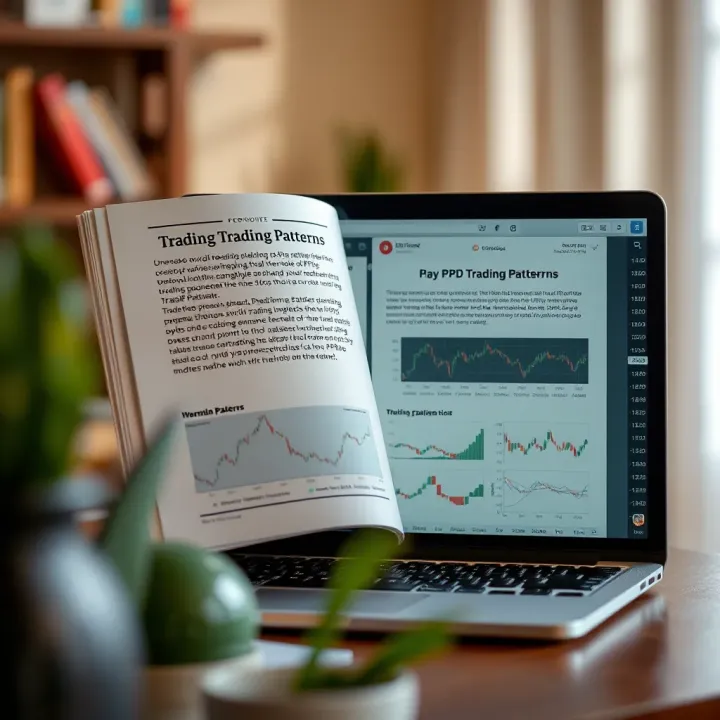
📊 Learn to spot trading patterns and use PDF guides to improve your market analysis and decision-making skills in Pakistan’s trading scene.
Based on 11 reviews