
Top Trading Apps in Pakistan: Features & Tips
📈 Explore top trading apps in Pakistan! Learn features, security tips, and legal rules to pick the best platform for your local trading needs. 🇵🇰
Edited By
Charlotte Price
In today’s world, trading isn’t just about sitting in an office or speaking to a broker on the phone anymore. With smartphones in everyone’s pocket, trade apps have become the go-to tool for investors, traders, and financial professionals. In Pakistan, where the financial sector is evolving fast and more people want easy access to investment opportunities, trade apps offer a practical, fast, and accessible way to step into the market.
These apps let users buy and sell stocks, commodities, currencies, and even cryptocurrencies with just a few taps. They streamline complex processes, provide real-time market data, and often include educational resources, making it easier for both newbies and seasoned traders to make smarter decisions.
Trading apps have changed the face of investing, especially in emerging markets like Pakistan, bringing the stock exchange right to the fingertips of millions.
This guide will break down the essentials of trade apps available in Pakistan, showing what features to look for, the advantages they bring, and how to use them safely and effectively. Whether you’re a seasoned broker or just starting to explore the market, understanding these tools will help you trade more confidently and avoid common pitfalls.
Getting a solid grip on what trade apps are is the first step for anyone looking to navigate Pakistan’s growing trading scene. These apps aren’t just fancy gadgets — they’re practical tools that bring the financial markets right into your pocket. Whether you’re an investor watching the Pakistan Stock Exchange (PSX) or someone trying their luck in Forex or crypto, understanding trade apps helps you use them confidently, avoid pitfalls, and make smarter decisions.
Trade apps are software applications designed to let you buy, sell, and monitor financial assets from your smartphone or tablet. They’re basically your digital broker, replacing the traditional need to call up an agent or visit offices. Key features usually include real-time stock or currency prices, charts, buy/sell options, and news updates. For example, apps like PSX’s own InvestDirect or popular platforms such as MetaTrader offer a way to jump into trading without fancy setups.
The main purpose of trade apps is to simplify access to financial markets and accelerate trading actions. For Pakistan’s traders, this means being able to react swiftly to market changes, tap into detailed market data instantly, and manage portfolios wherever they get wifi or 3G signals. These apps level the playing field by cutting out intermediaries, lowering costs, and providing tools that were once only available to professionals. They’re not just convenience gadgets—they directly impact how efficiently and effectively you can trade.
A good trade app is user-friendly, with a clean, intuitive layout that makes navigation straightforward even for beginners. Users expect quick access to charts, order options, watchlists, and portfolio details all in one place. For instance, apps like AlMeezan’s mobile platform prioritize a simple dashboard where you could check your holdings or place trades in seconds. Customizable options, like setting alerts for specific price points, help keep you on top without sifting through clutter.
Trade apps work by directly connecting to financial exchanges or brokers’ systems over secure internet channels. This ensures live data feeds and instant order execution. In Pakistan, apps linked with PSX-approved brokerage firms or forex platforms synchronize with exchange servers to provide up-to-date market info. This seamless connection is what lets you buy shares or currencies at current market prices, often in real-time or with minimal delay. Without this direct link, trading through apps wouldn't be reliable or accurate.
Remember, the reliability of your trade app depends heavily on how well it connects to market data sources and executes orders swiftly—something crucial during volatile market spurts.
Understanding these basics gives traders a strong foundation to pick and use trade apps more effectively, maximizing the chances of success in Pakistan’s dynamic markets.
Trade apps have changed the way investors in Pakistan approach financial markets. Especially for those juggling busy schedules, these apps bring the markets right to their pockets. The benefits go beyond convenience—they reshape accessibility, provide real-time insights, and cut costs considerably compared to traditional trading methods.
Unlike traditional trading platforms limited by office hours or manual processes, trade apps often provide round-the-clock access to markets, especially for assets like forex and cryptocurrencies that operate internationally. This means a Karachi-based trader can react to market changes even late at night if there's movement in the New York or London markets. It's a game-changer in making timely decisions without waiting for business hours.
Trading apps allow investors to place orders, monitor portfolios, and check market news from anywhere—whether during a tea break at work or while commuting. For example, apps like IQ Option and EasyPaisa Market (which also facilitate mobile payments) fit naturally into everyday routines, so users don’t miss key trading windows just because they're away from their desktop.
One of the major perks of trade apps is instant price updates. This real-time data ensures traders in Pakistan stay informed about sudden price swings in stocks listed on the Pakistan Stock Exchange (PSX) or volatile forex pairs like USD/PKR. Access to current prices lets traders react fast and avoid losses from outdated information.
Besides just scanning numbers, many apps send push notifications for important events—be it a sharp price drop, breaking economic news, or dividend announcements. These alerts help traders stay ahead without staring at the screen constantly. For instance, if a company like Engro Corporation announces an earnings surprise, getting an instant message can prompt swift action.
Trade apps usually have leaner cost structures than traditional brokers. Where a broker might charge a fixed commission plus hidden fees, many apps offer low or zero-commission trades. This matters a lot to Pakistani traders working with modest capital; saving on fees directly boosts overall returns.
Without physical branches and large staff, trade apps keep overheads minimal, savings often passed on to traders. This reduction can also mean faster account setup and quicker fund transfers. For example, apps like Zerodha or HBL Konnect benefit Pakistani users by integrating with local banks for seamless transactions, unlike longer waits involved with conventional brokerage services.
In short, trade apps bring flexibility, timely insights, and cost savings all into one place, making them a practical choice for traders across Pakistan. They help level the playing field and make active trading more accessible than ever before.
Choosing a trade app isn't just about jumping in and starting to trade. The right app needs to have specific features that make trading easier and safer while providing enough flexibility to suit different trader needs. In Pakistan, where digital literacy and financial regulations can vary widely, these features play a central role in ensuring a smooth trading experience. From ease of use to security, and the variety of investment options, knowing what to look for saves time and avoids costly mistakes.
A trade app with a straightforward design makes all the difference, especially if you're new to trading. When an interface is clean, with clearly labeled buttons and menus, you can find the tools you need without hunting through complicated settings. Imagine trying to place a quick trade but being lost in layers of menus — that’s a sure-fire way to miss good opportunities or make errors. For Pakistani traders, apps like MCB Trade or Z2Trade offer dashboards that highlight key stats right upfront, helping users check prices, place orders, and track their portfolio without fuss.
Customization is about fitting the app to how you like to trade. Whether it’s rearranging your watchlist to show favorite stocks or setting up alerts for market moves, these options let you tailor the app experience. For example, if you primarily trade forex pairs like USD/PKR, the app should let you prioritize those charts and news updates. Good apps allow changing themes for better visibility or adjusting notification settings so you get alerts only for important updates. The more adjustable the interface, the less likely a trader will feel boxed into a one-size-fits-all mode.
Security is non-negotiable. A trustworthy trade app must encrypt your data during transmission and storage. This means your personal info, passwords, and trading actions are scrambled so hackers can’t read them even if they intercept the data. Pakistani traders should check if the app uses protocols like SSL/TLS encryption — these are the gold standard for safe online transactions. Encryption protects against identity theft and keeps your money safe, especially when using public Wi-Fi spots common in busy cities.
Adding a second layer of protection, two-factor authentication (2FA) requires something you have (like your phone) besides your password. Even if someone steals your login info, they can’t enter your account without the second factor — usually a one-time code sent via SMS or email, or generated by an authenticator app. Many popular Pakistani trade apps such as PSX’s official apps integrate 2FA, which dramatically lowers the risk of unauthorized trades. Enable 2FA as soon as the app offers it; it’s a relatively simple step for big security benefits.
No single trader sticks to just one market, and a robust app understands that diversity is key. Look for apps that support multiple asset classes: stocks listed on Pakistan Stock Exchange (PSX), commodities like gold and oil, forex pairs including PKR against major currencies, and cryptocurrencies—which have seen rising interest locally. For instance, apps like eToro and Binance, accessible in Pakistan, provide diverse portfolios so you can spread risks and explore new investment avenues. Having everything under one roof speeds up decision-making and avoids juggling multiple accounts.
Trading is complex, and apps that come with inbuilt tutorials or educational content give users an edge. This is especially important for beginners who might be figuring out what stocks or forex even mean. A good app should include videos, articles, or interactive guides that break down market concepts, show how to use tools, and explain trading terminology. Many traders in Pakistan benefit from apps like TD Ameritrade or IG Markets, which offer comprehensive learning hubs tailored for users at different skill levels.
When things go sideways—be it a technical glitch, a question about your account, or help with withdrawing funds—timely customer support is critical. Look for trade apps that offer various support channels: phone, email, live chat, or even WhatsApp support tailored for Pakistani users. Quick, accessible help can make or break your trading experience, avoiding costly delays or misunderstandings. Apps such as HBL Konnect stand out in Pakistan for offering real-time support, which is a safety net traders appreciate.
Remember: Amid the exciting options and flashy features, pick a trade app that balances usability, security, variety, and support. This way, you’re not just trading; you’re trading smart and safe.
Trade apps have become the go-to for many Pakistani traders aiming to navigate financial markets more efficiently. The rise of smartphone usage paired with regulatory support means more people can access trading with just a few taps. This section spotlights key trade apps that serve Pakistani investors and traders, touching on those that connect directly to the Pakistan Stock Exchange (PSX), as well as apps tailored for forex and cryptocurrency trading.
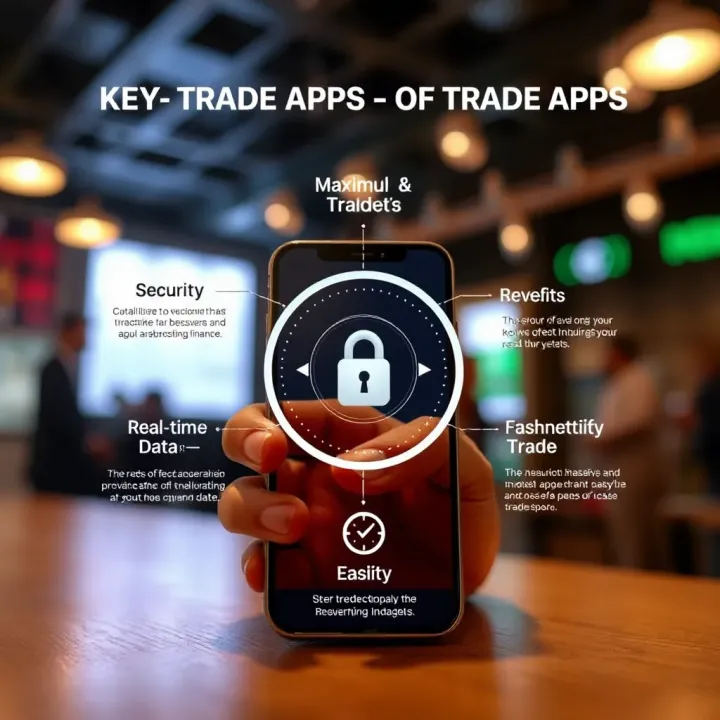
Using an app officially approved by the Pakistan Stock Exchange goes beyond just ticking a compliance box. These apps are linked directly to the market infrastructure, providing real-time data and ensuring transactions meet regulatory standards. For example, apps like "PSX Mobile" and "iTrade" offer seamless integration with PSX, so traders can buy or sell shares from companies listed in Pakistan without delays or discrepancies.
Beyond legal compliance, these apps often carry guarantees in terms of data security and transaction transparency, making them reliable for serious investors. When picking a PSX-approved app, it's wise to check for clear licensing information and customer service options to help if any issues come up.
What sets some popular trade apps apart is their focus on Pakistani user needs. Many include Urdu language support or multilingual options, adapting to different linguistic backgrounds. Currency conversion tools are also built-in to reflect transactions accurately in Pakistani Rupees (PKR), which is essential when tracking profitability.
Another practical feature is localized news feeds and alerts, offering updates on economic events or PSX announcements relevant to Pakistan's market environment. Some apps also allow integration with local banks for quick funding and withdrawals, cutting the hassle of international transfers.
These tailored features streamline the trading process, helping users make informed decisions without needing extra tools or toggling between apps.
Forex trading is popular in Pakistan, particularly among more experienced traders looking to profit from currency fluctuations. Apps like MetaTrader 4 (MT4) and MetaTrader 5 (MT5) dominate the market because they combine robust analytical tools with user-friendly interfaces.
These apps offer live charts, news updates, and customizable indicators right on your phone. Pakistani traders often choose brokers integrated with MT4/MT5 due to their strong global reputation and compatibility with local payment options via banks or e-wallets.
For anyone trading forex in Pakistan, it's also critical to account for the Pakistan State Bank's rules on currency exchanges to ensure compliance.
Cryptocurrency trading in Pakistan walks a fine line given the evolving regulatory stance. While crypto remains largely unregulated by the State Bank of Pakistan, the Securities and Exchange Commission of Pakistan (SECP) has hinted at cautious frameworks to protect investors.
Apps like Binance and Coinbase are popular globally but might offer limited features or withdrawal restrictions in Pakistan. Traders here should pay attention to warnings issued by regulators and be vigilant about app authenticity, as scam platforms are surprisingly common.
When trading crypto in Pakistan, always verify the app's credibility, and never invest more than you can afford to lose, considering the lack of clear legal protection.
Understanding crypto regulations and opting for reputable apps will safeguard users from fraud and possible legal troubles.
By focusing on these categories—PSX-approved apps, local trader-friendly features, forex-specific platforms, and careful crypto trading—Pakistani traders can better navigate the diverse choices of trade apps to find ones that fit their needs and safeguard their investments.
Starting to trade via an app can feel like stepping into a whole new world, especially in Pakistan where mobile trading is picking up fast. It’s not just about downloading an app and hitting buy or sell; it’s about setting up your foundation right to avoid headaches later on. This section breaks down the essentials: opening your account, verifying your identity, and handling the money side of things — in clear, straightforward steps.
Before you dive into trading, setting up your account and getting verified is key to a smooth experience. Pakistani regulations require certain documents and steps to keep your money and info safe, and to comply with local laws.
To open a trading account, you’ll typically need:
CNIC (Computerized National Identity Card): This is the main ID everyone uses in Pakistan.
Proof of address: Recent utility bills or bank statements often do the trick.
Bank account details: This links your trading account to your actual bank for deposits and withdrawals.
Photograph: A recent passport-size photo for your profile.
These documents help platforms verify your identity and prevent fraud or illegal trading activities. Think of it like showing your ID at a bank — just digital and quicker.
Once your documents are ready, the verification steps will often look like this:
Upload documents: Scan or take clear pics and upload them through the app.
Identity check: The app will cross-check your CNIC and other info.
Phone number/email verification: Usually involves receiving a code via SMS or email, just to make sure it's really you.
KYC (Know Your Customer) approval: This might take anywhere from a few hours to a couple of days.
After these steps, your account will be activated for trading. If any issues pop up, most apps have support teams ready to help.
The next stop after verification is putting money into your trading account. Knowing the payment methods available in Pakistan and understanding deposit/withdrawal processes can save a lot of hassle.
Pakistani traders can fund accounts primarily through:
Bank transfers (via IBFT or direct wire services): Common and secure but can take some time.
Mobile wallets (JazzCash, Easypaisa): These are quick and widely used, especially on mobile apps.
Debit/Credit cards: Many apps accept Mastercard and Visa, though some may have restrictions.
These options give flexibility for people who prefer digital wallets or those who like using their bank accounts directly.
Deposits generally kick off your trading activities and are straightforward:
Select the funding option on your app.
Enter the amount to deposit.
Confirm the payment.
Withdrawals are similar but often go through an approval step to ensure security:
Request withdrawal specifying amount.
App verifies request against account balance.
Funds are transferred back to your linked bank account or wallet.
Both processes usually take around 24-72 hours, depending on the method and app policies.
Starting off right with a verified account and secure fund transfers keeps your trading hassle-free and builds trust with your trading platform. Always double-check your app’s specific requirements and stay alert for any irregular activity.
With this solid groundwork laid, traders in Pakistan can jump confidently into the trading arena, knowing their accounts are properly set up and their money is where it should be — safe and ready to work.
Trading via apps has opened up a world of possibilities for Pakistani traders, making it easier to act quickly and flexibly. But having a good strategy is what separates random guessing from smart investing. Without a clear plan, even the most user-friendly app won’t help you much. This section tackles the nuts and bolts of trading strategies, breaking down essentials for newcomers while also touching on more sophisticated techniques. Understanding these concepts will empower you to make smarter decisions, reduce losses, and seize opportunities without missing a beat.
Understanding market trends is the backbone of any trading strategy. The price of a stock or currency doesn’t move randomly; it often follows patterns tied to economic or company-specific developments. Whether it’s an upward trend (bullish) or downward (bearish), spotting these trends early can guide your buy or sell decisions. For instance, if the Pakistan Stock Exchange shows a steady rise in banking sector stocks due to favorable government policies, jumping in before the crowd can pay off. Trading apps help by offering simple chart views and news feeds to keep you updated on such trends.
Setting stop-loss and take-profit limits is about controlling your risk and locking in gains automatically. Stop-loss orders tell the app to sell your shares if the price falls below a certain point, preventing you from bleeding money if the market suddenly turns against you. Take-profit limits work the other way, cashing out when your investment reaches a predefined profit level. For example, if you buy shares at PKR 100 and set a stop-loss at PKR 90 and take-profit at PKR 120, the app will handle these trades for you once these prices hit. This disciplined approach is crucial for beginners to avoid emotional decisions during market swings.
Trading apps aren’t just for basic buys and sells—they often come packed with technical analysis features crucial for advanced traders. Technical analysis involves examining past price charts and volume to predict future movements. Features like candlestick charts, moving averages, and RSI (Relative Strength Index) are commonly embedded in apps like IG or EasyBroker in Pakistan. By analysing these, traders identify momentum shifts or potential reversals. For example, noticing a “golden cross” in moving averages can signal a buying opportunity before prices surge.
Using indicators and charting tools allows you to drill down deeper into market data. Popular indicators include MACD (Moving Average Convergence Divergence), Bollinger Bands, and Fibonacci retracements. These tools give insight into volatility, trend strength, and possible support or resistance levels. Apps with interactive charts let you overlay these indicators, customize timeframes, and even draw patterns. Experienced traders rely on them to time entries and exits precisely, improving the odds of profitable trades. For example, applying Bollinger Bands during volatile market hours on Pakistan’s forex pairs helps spot breakouts early and react accordingly.
Whether you're just starting out or looking to sharpen your edge, mastering these strategies with the right app tools is key to trading confidently and minimizing costly mistakes.
Trading apps provide a playground of possibility, but the real game is in how you use the tools and strategies at your disposal. Start simple with trend-following and clear stop-loss rules, then step up into technical analysis and charting tools as you learn the ropes. This approach keeps your trading grounded and effective amid Pakistan's dynamic markets.
When trading through mobile apps in Pakistan, understanding and handling risks is just as important as knowing how to trade. The fast-paced market and reliance on technology make mobile trading vulnerable to specific risks. If these aren’t managed well, financial losses can mount quickly. This section looks at the typical risks traders face and straightforward ways to keep them in check, helping users trade smarter and stay protected.
Trading markets can change on a dime, sometimes bouncing wildly within minutes or even seconds. This market volatility means the price of stocks or currencies can swing dramatically, which adds a layer of uncertainty to each trade. For instance, a political event in Pakistan or global economic news can cause the Karachi Stock Exchange or forex rates to fluctuate sharply, impacting any positions held on mobile apps.
Being aware of this volatility helps traders avoid panicked decisions. A practical tip is to monitor key news headlines regularly and not to overcommit funds to one trade expecting constant upswings. Stop-loss orders, a feature available in most trade apps, can automatically sell off holdings at set prices, preventing heavier losses when the market suddenly dives.
Trading apps rely heavily on stable internet connections and device performance. A poor internet connection, app crashes, or delayed price updates can cost traders dearly by missing timely buy or sell opportunities. Imagine you’re tracking a stock using the popular PSX-approved app like "Mtrade" and suddenly your screen freezes right when the price starts to drop.
To counter this, use reliable internet services—Wi-Fi with good stability or 4G/5G networks known for consistent speed. Also, keeping the trading app updated helps reduce glitches. Some traders keep a backup device or another app ready to switch over if one fails. Watching for app reviews about lag or crashes is a smart habit before picking a trading platform.
Putting all eggs in one basket is a risky move in trading, especially on mobile platforms where it’s easy to chase quick wins. Diversification means spreading investments across different assets like stocks, commodities, forex, or even cryptocurrencies. For example, instead of putting all funds into textile sector stocks on PSX, a trader might also allocate capital into forex pairs or gold.
This approach cushions the impact when one market segment falls since gains in others might balance the losses. Apps like "InvestPro" in Pakistan offer easy portfolio snapshots to assess how diversified your holdings are, which can be revisited regularly.
Knowing your own limits is as key as studying the markets. Risk tolerance varies from person to person—some may handle market ups and downs without sweating, while others prefer a conservative approach. Assessing your risk tolerance involves considering factors like financial goals, investment horizon, and how much loss you can emotionally and financially endure.
Trade apps frequently offer demo accounts or simulation modes where you can practice trading without real money, helping you gauge your comfort with risk. Before starting live trading, spend time in these practice environments and review your reactions to gains and losses. This self-awareness is critical to avoid impulsive decisions under pressure.
Recognizing risks and managing them actively don’t just protect your capital—they build trading confidence over time.
By keeping these risks and practices in mind, traders in Pakistan can make the most of mobile trade apps while avoiding some common pitfalls that catch many off guard.
Navigating the legal and regulatory framework is no small feat when trading in Pakistan's markets through trade apps. Getting this right ensures not just compliance but also shields traders from potential pitfalls, which can be costly and time-consuming to untangle. For anyone dabbling in stocks, forex, or crypto, understanding these rules is as crucial as knowing your trading strategy.
Sticking to verified trading platforms is non-negotiable for traders. Think of it like ensuring your car has been road-tested and approved before you hit highways. Verified platforms meet the Pakistan Stock Exchange (PSX) standards, which means they follow strict guidelines for fairness, transparency, and security. When apps are approved by PSX, traders can rest easy knowing the data they receive and the transactions they make are legitimate and trustworthy. For example, platforms like Mtrade and InstaTrader are recognized by PSX, offering Pakistan-based traders reliable access to the market.
Trading on unapproved or unregulated apps isn’t just risky—it can land you in hot water. The PSX and other regulatory bodies don't shy from imposing hefty penalties on platforms that violate trading norms or mislead investors. This can range from hefty fines to outright bans. For users, engaging with such platforms might lead to losing funds without any legal recourse. It's similar to buying counterfeit tickets: you may pay full price but get no entry. Always check for PSX endorsement before committing funds.
The Securities and Exchange Commission of Pakistan (SECP) acts as the watchdog for the trading ecosystem. Their rules directly impact how trade apps operate—covering everything from user data privacy to the transparency of transaction records. For instance, SECP mandates that apps must implement strong encryption and two-factor authentication to combat fraud and cyber threats. This keeps the playing field fair and helps prevent unauthorized trades that can jeopardize investors’ money.
SECP rolls out guidelines aimed at safeguarding traders, especially those new to investing. These include requirements for clear disclosure of risks, avoiding misleading advertising, and ensuring customer service is equipped to handle complaints effectively. A practical example is how SECP has pushed trade apps to provide educational materials and demo accounts, allowing users to learn without risking real money. This creates an environment where investors have the tools to make informed decisions rather than blindly chasing quick profits.
Staying within Pakistan’s legal frame when using trade apps is like following road signs in busy traffic—it helps avoid accidents and ensures you reach your destination safely. Compliance with PSX and SECP regulations protects traders and nurtures trust in the financial market.
In summary, Pakistani traders are best served by choosing trade apps compliant with local laws. Understanding the role of PSX approvals and SECP regulations aids in avoiding legal troubles and fosters a safer trading environment. Always verify your app’s credentials and keep abreast of regulatory updates to trade smart and stay secure.
Picking the right trade app isn’t just about flashy graphics or fancy tools; it’s about finding one that fits your trading style, security needs, and helps you make smart decisions. In Pakistan, where the trading scene is growing fast, the right app can make a big difference in how easily you manage your investments and respond to market changes. This section breaks down practical tips to help you sift through the heaps of options and spot the app that won’t just sit on your phone but actually serve you well.
Sources for genuine feedback
Checking out what actual users say about an app is probably the quickest way to get a feel for it. Pakistani traders often turn to Google Play Store or Apple’s App Store, but take extra care to filter for reviews from verified buyers or those who seem to use the app regularly. Forums like PakWheels or PakStockMarket community groups can also be goldmines for honest insights. These places often reveal whether customer support is on point or if users struggle with hidden fees.
Red flags to watch for
Some warning signs should immediately raise eyebrows before you download an app. Watch out for apps with a flood of generic, one-line reviews—this often indicates fake or paid feedback. Also, be cautious if many users complain about crashes, delayed order execution, or unverifiable transaction records. If customer service is unresponsive or the app’s privacy policy is unclear, steer clear. In simple terms, if something doesn’t look right on the surface, it probably isn’t.
Testing app features before investing
Many top trade apps in Pakistan, like PSX’s official app or interactive brokers familiar in the region, offer trial periods or demo accounts. These let you play around with live data but without risking a single rupee. Using these features, you can explore how trades get placed, test out features like limit orders, or check if the app’s layout suits your workflow. This hands-on experience is invaluable; it’s like trying on shoes before buying them.
Learning without financial risk
Demo accounts are more than just practice grounds; they’re safety nets. For anyone new to trading or testing out new strategies, these accounts allow you to learn the ropes without sweating over losing money. They simulate real market conditions, so you get a genuine feel for timing your buys and sells, reacting to news, or even handling sudden price swings. This kind of zero-risk learning builds confidence and sharpens skills that prove crucial when you go live.
Always remember, choosing a trade app isn’t a one-size-fits-all deal. It requires a bit of homework, testing, and taking feedback seriously. Spend time upfront picking the right tool—your future trades will thank you for it.
Trading apps have brought the stock market and other trading platforms closer to everyone in Pakistan, but with this convenience comes the need for sturdy security habits. Protecting yourself isn’t just about avoiding losses from bad trades; it's about guarding your personal and financial info from being snatched by hackers or scammers. By following solid security practices, traders can avoid common pitfalls that might otherwise compromise their accounts.
Avoiding public Wi-Fi for trading: It's tempting to jump into the market during your coffee break using the café’s Wi-Fi, but public networks are a hacker’s playground. These open connections often lack proper security measures, leaving your data exposed. If you must trade outside your secure home network, consider using a reliable Virtual Private Network (VPN) to create a safer tunnel for your online activity. This precaution shields your login credentials and financial info from prying eyes.
Regular password updates: Changing your passwords frequently is more than just a tech cliché. Trade apps often require dealing with sensitive data, and a stale password increases the chance of unauthorized access. Try to mix up your passwords by combining letters, numbers, and symbols, and avoid common words or easily guessable combinations like "password123." Setting reminders every few months to update passwords goes a long way in minimizing the risk of breaches.
Phishing attempts: Phishing is where attackers disguise themselves as legitimate sources to trick you into handing over your credentials or clicking malicious links. For example, you might get an email or SMS claiming urgent action is needed on your trading account—something like a fake "account suspension" alert. Always double-check the sender's address and avoid clicking any links that seem suspicious. Real companies won’t pressure you into immediate action. When in doubt, access your trade app directly by typing its official URL or opening the app—not via a link.
Fake trading platforms: It's unfortunately common to hear stories of fake trading apps designed to steal your investment or private data. These look remarkably like the real deal but often lack proper regulatory approval. Before downloading or registering, confirm the app is officially recognized by Pakistan Stock Exchange or the Securities and Exchange Commission of Pakistan. Look for reviews from credible sources, and if something feels too good to be true (like guaranteed returns overnight), it probably is. Staying cautious saves you from losing money to fraudulent platforms.
Remember, good security doesn't add friction to your trading experience; it preserves your ability to trade confidently and protects your hard-earned money.
Adopting these straightforward but effective security measures will ensure your trading experience in Pakistan remains both profitable and safe.
In the fast-paced world of trading, keeping an eye on where technology is headed is more than just good practice — it’s essential. For traders in Pakistan, future trends in trade apps offer a glimpse into how trading experiences will evolve, becoming smarter and more versatile. Understanding these trends is crucial to staying ahead, avoiding pitfalls, and making informed investment decisions in an increasingly digital environment.
Artificial intelligence (AI) is making waves everywhere, and trading is no exception. Trade apps incorporating AI technologies are beginning to offer features that simplify complex market decisions.
Smart trading recommendations play a game-changing role by analyzing vast amounts of market data faster than any human could. For example, AI-powered platforms can examine market patterns, recent news, and historical trends to suggest when to buy or sell an asset. This isn't just guesswork – it’s data-driven advice tailored to individual trading habits and risk profiles. Pak traders using apps like Stox or Zameen can benefit from these recommendations by making more calculated moves, cutting down on impulsive trades that may otherwise lead to losses.
On the other hand, risk assessment improvements brought by AI help traders understand potential downsides before entering a trade. Instead of relying on gut feelings, AI evaluates volatility, market sentiment, and external factors to estimate how risky a particular trade might be. These insights allow Pakistani traders to adjust their strategies or set more accurate stop-loss limits. Essentially, AI tools act as a safety net, helping users navigate choppy market waters with greater confidence.
Cryptocurrency trading in Pakistan is gaining momentum despite regulatory uncertainties. Trade apps are responding by offering more crypto options, making digital currencies more accessible.
Growing adoption in Pakistan reflects a mix of curiosity and opportunity. Apps like Binance and local platforms such as Urdubit have seen rising user numbers. Many Pakistani traders are exploring bitcoin, ethereum, and emerging altcoins, attracted by the potential for high returns and portfolio diversification. The surge in adoption also means more education and resources are becoming available within these trade apps to help users grasp crypto’s unique market mechanics safely.
That said, the potential regulatory changes remain a key factor influencing the crypto landscape here. The Pakistan government and regulatory bodies are closely watching digital assets, weighing ways to protect investors and curb misuse. Anticipated measures might include stricter KYC (Know Your Customer) policies, limits on trading certain coins, or even taxation rules. For traders, keeping informed about these changes through their trade apps can mean the difference between compliance and running afoul of the law.
Staying in the loop on future trends like AI integration and crypto expansion is not just about trading smarter but also about trading safer in Pakistan’s unique financial ecosystem.
These trends show a clear path forward for trade apps in Pakistan — one where technology meets user-centric design to create efficient, secure, and flexible trading platforms. As a trader, customer, or investor, understanding and adapting to these changes will ensure you’re not left behind in the rapidly changing markets.
📈 Explore top trading apps in Pakistan! Learn features, security tips, and legal rules to pick the best platform for your local trading needs. 🇵🇰
Discover the best trading apps in Pakistan 📱 Learn about features, costs, security, regulations, and tips to trade smarter in local markets 🇵🇰
Find the best trading app for Pakistan 📱 Explore key features, top picks, regulations, and tips tailored for Pakistani traders to trade smart and safe 🇵🇰
🔍 Find the best trading app in Pakistan! Compare fees, features, usability & security to match your investment goals and local market needs effectively.
Based on 7 reviews