
Gold Price Forecast: XAU USD Trends & Factors
Stay ahead in XAU USD trading 💰 by exploring gold price trends, key drivers, and tech & fundamental analysis tailored for Pakistan's market.
Edited By
Edward Chambers
Gold remains one of Pakistan’s most trusted assets, especially during economic uncertainty. Its price fluctuates regularly, influenced by both global shifts and local factors unique to our country. Understanding these elements helps traders, investors, and financial analysts make better decisions.
Global gold prices significantly impact the local market, as Pakistan imports almost all its gold. International factors include:
US Dollar Value: Since gold is priced in USD globally, a weak dollar often pushes gold prices higher. For example, when the dollar dipped in 2023, Pakistani gold prices rose correspondingly.
Interest Rates: Changes in the US Federal Reserve’s policy rates influence gold demand; higher rates tend to reduce gold appeal since bonds and savings accounts offer better returns.
Geopolitical Tensions: Conflicts or political unrest worldwide create uncertainty, often increasing gold’s safe-haven demand.
On the local side, the following shape gold rates:
Pakistani Rupee Fluctuations: Depreciation against the dollar raises gold rates in rupees, making gold more expensive for Pakistani buyers.
Government Policies and Import Duties: Customs duties directly affect the cost of gold imports. Recent policy adjustments by the Federal Board of Revenue (FBR) on import taxes have had noticeable impacts on retail prices.
Cultural and Seasonal Demand: Periods like Eid, weddings season, and festivals boost gold buying, sometimes pushing prices upward due to increased local demand.
Investors should monitor the exchange rate and global market trends daily, as these often provide early signs about upcoming local price shifts.
Gold prices in Pakistan tend to follow international trends but with a lag of one to two days because of market adjustments and local demand-supply dynamics. For example, gold prices saw sharp jumps in early 2024 after global uncertainty increased due to energy price volatility.
Historical data suggest:
Short-term volatility is common due to currency swings and periodic government announcements.
Medium to long-term trends align with global economic health and Pakistan’s macroeconomic conditions.
Traders frequently track gold futures on global exchanges and the rupee-dollar exchange rate to predict local price movements.
Keep an eye on State Bank of Pakistan’s currency reports and FBR’s duty changes.
Note seasonal demand spikes around traditional festivals.
Follow global market reports from sources like the World Gold Council for comprehensive outlooks.
By understanding these trends and factors, you can position yourself better in the gold market and make informed buying or selling choices.
The gold market remains a vital segment in Pakistan’s economy, serving both as a cultural asset and a financial instrument. Understanding this market helps investors, traders, and analysts gauge the direction of gold prices and identify opportunities or risks. This section highlights the core elements shaping gold’s role in Pakistan, from its economic significance to price trends over time.
Gold holds a special place beyond investment; it's deeply linked to Pakistani culture, traditions, and social practices. Weddings, festivals, and religious events often involve gold jewellery as a symbol of wealth and security. Economically, gold acts as a hedge against inflation and currency fluctuations, especially during times when the Pakistani Rupee weakens against the US Dollar. For instance, from 2018 to 2022, rising inflation caused many Pakistani investors to shift savings into gold to preserve value.
Pakistan’s sizeable demand for gold affects imports and foreign exchange outflows, impacting the trade balance. The average annual gold import in recent years has hovered around 50 to 60 tonnes. This steady demand influences the local market, where gold prices not only reflect international fluctuations but also domestic factors such as import duties and taxes. Understanding these dynamics helps investors anticipate price movements better.
Gold prices in Pakistan have seen notable fluctuations over the last two decades. Early 2000s prices were relatively stable, roughly around Rs 4,000 per tola, but the market saw steady increases due to global economic uncertainties, geopolitical tensions, and a weakening Rupee. For example, during the 2008 global financial crisis, gold prices surged sharply as investors sought safe havens.
Between 2016 and 2020, prices jumped from about Rs 45,000 to over Rs 90,000 per tola, driven largely by Rupee depreciation and increased local demand. However, the last few years witnessed some volatility due to changes in monetary policy by the State Bank of Pakistan and shifting geopolitical landscapes in the region. Such historic data offers a practical lens for traders and investors to spot patterns and prepare for future shifts.
The gold market in Pakistan combines cultural, economic, and geopolitical aspects, making its price movements uniquely influenced by local and global factors alike.
This overview equips readers with a foundation for understanding Pakistan’s gold market context, aiding informed decision-making in later sections.
Gold prices in Pakistan react to several intertwined factors, both global and local. Understanding these helps traders, investors, and analysts predict price movements better and make informed decisions. Here we explore the main drivers shaping gold prices within the Pakistani market.
International market trends significantly impact gold prices in Pakistan. For example, when the US dollar strengthens against other currencies, gold tends to become more expensive in PKR terms because gold is priced globally in dollars. The dollar’s rise generally pushes local gold rates higher as exchange rate conversion costs increase.
Economic events such as inflation data from the US, interest rate changes by the Federal Reserve, and geopolitical tensions affect gold demand worldwide. If inflation fears rise, investors often turn to gold as a hedge, pushing prices up globally and reflecting similarly in Pakistan.
Gold's global pricing and the dollar's position act like a seesaw; when the dollar dips, gold often gains momentum, impacting Pakistani prices directly.
Domestic factors also play a big role. Political instability, like government changes or policy uncertainty, tends to increase demand for gold as a safe asset. For instance, during election years or moments of national crisis, Pakistan often sees a spike in gold buying.
Economic indicators like inflation rates, fiscal deficits, and currency devaluation in Pakistan feed into this as well. A depreciating Pakistani rupee makes gold more expensive locally, prompting consumers and investors to act accordingly.
Economic policies affecting import duties and taxes on gold also influence prices. For example, higher customs duties increase the cost of gold imported from abroad, raising retail prices.
Gold demand in Pakistan largely comes from jewellery and investment sectors. Festivals, weddings, and cultural events cause seasonal surges in demand. During such periods, prices often increase due to lower availability.
On the supply side, Pakistan imports majority of its gold, so any interruptions due to foreign exchange shortages or logistical issues affect availability and push prices up.
Local jewellers’ buying patterns and stock levels also influence short-term price fluctuations. When jewellers anticipate price rises, they may delay selling, tightening supply.
In brief, gold prices in Pakistan move on a mix of global dollar trends, internal political-economic shifts, and how much gold is in hands locally. Keeping tabs on these factors helps users gauge when gold rates might rise or ease, aiding smarter trading and investment choices.
Predicting gold prices in Pakistan requires a close look at several tools and indicators that influence market behaviour. These instruments help investors, traders, and financial analysts gauge trends and make informed decisions. Understanding these indicators reduces guesswork, especially in a market as sensitive as gold, where every rupee move matters.
International gold rates serve as a baseline for Pakistan’s market because gold is globally traded in US dollars. When international gold prices rise, Pakistan generally sees an upward pressure on its local rates, assuming the rupee-dollar relationship remains stable. For instance, during global economic uncertainty, international gold often spikes as investors seek a safe asset. Meanwhile, the US Dollar Index measures the strength of the dollar against a basket of currencies. If the dollar strengthens, it typically pushes gold prices down because gold becomes costlier for holders of other currencies. Conversely, a weakening dollar often lifts gold prices. Monitoring these indicators can alert Pakistani investors early to potential price movements.
The Pakistani rupee’s exchange rate heavily affects gold prices locally. Since importers pay for gold in dollars, a depreciation of the rupee directly raises gold's price in PKR terms. For example, if the rupee falls from Rs 280 to Rs 290 per US dollar, the import cost rises, and so do retail gold prices in cities like Karachi or Lahore. Traders and investors should watch the Pakistan Bureau of Statistics reports and SBP (State Bank of Pakistan) currency updates closely. Exchange rate volatility adds another layer of uncertainty, which can amplify short-term gold price fluctuations.
Technical analysis plays a vital role, especially for traders dealing with gold on the Pakistan Mercantile Exchange or through digital platforms. By studying price charts, volume, and moving averages, analysts can detect patterns such as support and resistance levels. For example, if gold breaches a resistance point around Rs 120,000 per tola, it can signal a potential rally. Market sentiment, driven by news, geopolitical events, or domestic policies, also influences gold's demand and pricing. During times of political turmoil or high inflation fears, sentiment tends to push prices higher as people seek to safeguard wealth.
Combining these tools—international rates, rupee dynamics, and technical signals—gives a clearer picture of gold price forecasts in Pakistan. Investors who integrate these indicators stand a better chance of timing their moves well.
International gold price rises usually lead to higher local prices.
A weakening rupee inflates gold's PKR value.
Technical analysis helps identify entry and exit points.
Keeping an eye on these indicators allows you to align your investment or trading strategy to market realities instead of guessing blindly.
Tracking recent trends and current price patterns helps investors in Pakistan understand where the gold market is heading. These trends reflect immediate market reactions to global signals, local economic shifts, and currency movements, which are vital for timing purchases or sales effectively. For instance, during the last monsoon season, gold prices surged slightly due to rupee depreciation and increased import costs, showing how seasonality and currency play a role.
Gold prices do not remain uniform across all cities in Pakistan. Karachi, Lahore, and Islamabad typically lead with the highest rates due to their active jewellery markets and import hubs. Smaller cities like Peshawar or Quetta often see a slight difference, up to Rs 200-300 per tola, owing to transportation costs, demand variations, and local taxes or duties. In Karachi, for example, gold rates can be Rs 3,500 higher during peak wedding seasons, reflecting demand spikes. Traders and investors should watch regional price differences as they sometimes present arbitrage opportunities.
Comparing current gold prices with historical data reveals how the market evolves amid economic conditions. Over the past decade, gold prices in Pakistan showed steady growth, interrupted by periods of sharp volatility such as in 2018 and 2020, linked to currency shocks and global uncertainties. For example, gold price touched Rs 120,000 per tola in 2020 during the Covid-19 pandemic, nearly double its 2010 level, largely driven by rupee weakness and global demand. Studying these patterns helps anticipate potential price ceilings or corrections. Historical comparisons also highlight how inflation and imports duties have impacted gold affordability for local buyers.
Understanding both city-wise price differences and historical price shifts arms you with practical insights for better decisions in Pakistan’s gold market.
To sum up, staying updated on recent gold price patterns and regional variations, then cross-checking with past data forms a sound strategy. This approach can guide investors and traders in making informed bets, spotting market timing chances, and managing risks in Pakistan’s dynamic gold sector.
Understanding practical advice for gold buyers and investors is key to navigating Pakistan's often volatile market. Gold is not just a store of value but also a cultural asset, so making smart decisions about when and how to buy or sell can protect your wealth and even grow it. This section offers concrete guidance on timing, investment options, and risk management to help readers make informed choices in line with current market conditions.
Timing can dramatically affect your gold investment returns. For example, during times when the Pakistan rupee weakens sharply against the US dollar, gold prices in Pakistan usually spike. Investors tracking foreign exchange movements and international gold rates can spot buying opportunities before local prices adjust fully. However, sudden political shocks or unexpected economic announcements may cause price jumps, so it pays to keep an eye on news concerning inflation, SBP interest rates, or geopolitical tensions.
Chart patterns and technical indicators such as moving averages and Relative Strength Index (RSI) help reveal when gold is overbought or undervalued. These tools, combined with an understanding of seasonal demand patterns—like higher gold buying during Eid or wedding seasons—can indicate the best moments to enter or exit the market.
Physical gold remains the favourite choice for many Pakistanis due to its tangibility and traditional value. Buying jewellery or gold bars provides a tangible asset you can hold, often passed down generations. Jewellery offers dual benefits: investment and personal use, but be aware of making charges, which can add significantly to the purchase cost. For instance, in Karachi or Lahore, making charges vary widely depending on design complexity and retailer.
Bars and coins generally have lower premiums than jewellery, making them better for pure investment. Ensure you buy from reputable dealers and get proper certification to avoid counterfeit risks. Physical gold’s liquidity is high in local markets, though selling it may involve slight discounts compared to official rates.
Gold ETFs offer a modern, hassle-free alternative to holding physical gold. In Pakistan, some brokers provide access to gold ETFs listed on international exchanges or local asset management companies offering Shariah-compliant gold funds. These funds track the global gold price and allow investors to buy or sell units without worrying about storage or security.
ETFs suit investors looking for portfolio diversification with easy liquidity. However, transaction costs and management fees apply, so understanding expense ratios is important. It's advisable to choose ETFs regulated by SECP (Securities and Exchange Commission of Pakistan) or recognised international bodies to avoid fraud.
Digital gold platforms have gained popularity, especially among urban investors who prefer quick, low-cost investments. These apps allow the purchase of small quantities of gold online, tracked and stored securely by the service providers in allocated vaults.
Platforms like these reduce barriers for new investors without access to large capital. Their convenience also includes easy redemption to physical gold or bank transfers. Still, it’s essential to verify the platform’s credibility and understand fees per transaction or redemption. Additionally, these platforms depend on digital infrastructure, so internet access and smartphone usage are prerequisites.
While gold is traditionally a safe asset, risks remain for Pakistani investors. Price volatility driven by global demand shifts or local currency instability can affect investment value. Physical gold is susceptible to theft or loss, making insured storage important. Fake gold jewellery and unscrupulous dealers are also a frequent issue in local bazaars.
Investors in ETFs or digital gold face different risks, such as fund mismanagement, platform failure, or regulatory changes. Always conduct thorough background checks and avoid schemes promising unrealistic returns.
In all cases, maintaining diversified investments rather than relying solely on gold protects against unexpected market moves. Combining awareness of market signals with prudent choices and vigilance against risks forms the bedrock of successful gold investment in Pakistan.
Stay ahead in XAU USD trading 💰 by exploring gold price trends, key drivers, and tech & fundamental analysis tailored for Pakistan's market.
📈 Wondering about gold price tomorrow in Pakistan? Explore how global trends, PKR swings, and geopolitics shape the market to help you decide when to buy or sell gold.
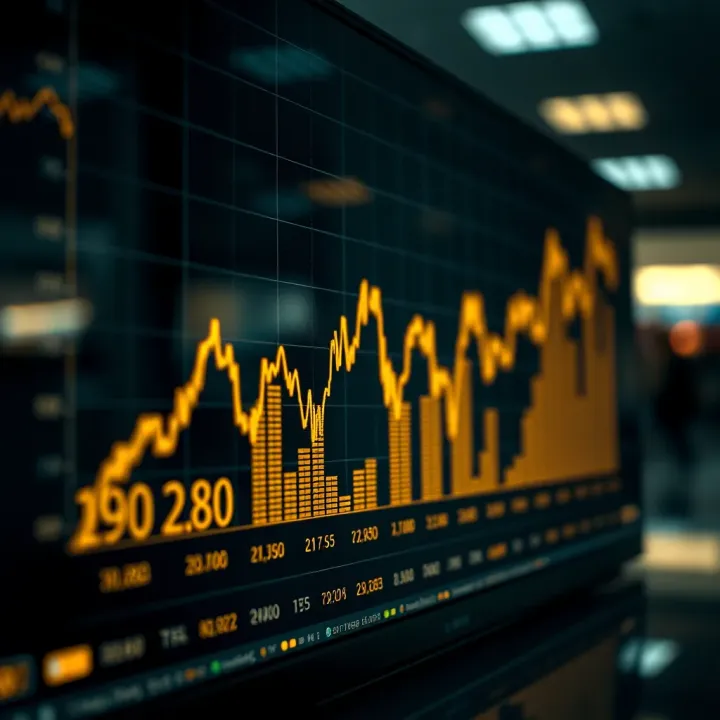
📈 Discover how local and global economic factors, PKR fluctuations, government policies & investment demand impact gold prices in Pakistan’s market outlook.
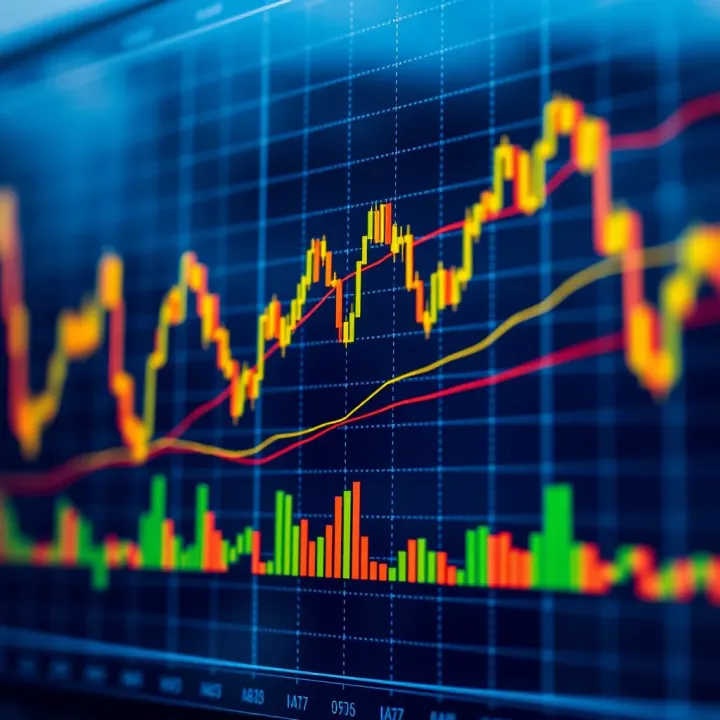
📈 Dive into XAU/USD analysis today! Explore gold price trends, key factors, and expert tips for traders in Pakistan to navigate the market confidently.
Based on 15 reviews