
Gold Price Prediction in Pakistan: Trends & Outlook
Stay ahead with gold price insights in Pakistan 📈 Discover trends, economic and geopolitical factors, plus expert views shaping the market outlook today.
Edited By
Oliver Bennett
The US dollar's exchange rate against the Pakistani Rupee is a key driver of Pakistan’s economic health. Over recent years, the dollar price in Pakistan has seen fluctuations influenced by multiple local and global forces. Understanding these trends helps traders, investors, and analysts anticipate movements and strategise accordingly.
The dollar price moves because of supply-demand dynamics, government policies, foreign reserves, and external shocks like geopolitical tensions or global market shifts. For example, Pakistan's reliance on imports and external debt means that any change in the dollar rate directly affects inflation and the cost of living.
Businesses need to monitor dollar trends closely, as currency fluctuations can impact profit margins, import costs, and export competitiveness.
Government interventions often shape short-term currency behaviour. The State Bank of Pakistan (SBP) sets monetary policies that can support or stabilise the rupee against the dollar. For instance, adjustments in SBP’s policy rate influence capital flows and the local currency's strength. Meanwhile, fiscal decisions, such as tax reforms or subsidies, also affect investor confidence and currency demand.
At the same time, geopolitical events, such as regional instability or changes in US economic policies, add layers of uncertainty to the dollar-rupee rate. Events like trade agreements or sanctions against Pakistan can either ease pressure on the rupee or cause sharp depreciation.
In summary, to predict the dollar price in Pakistan, one must track:
SBP monetary policy moves and interest rate changes
Foreign exchange reserves trends and remittance inflows
Government fiscal policies and budget announcements
Global economic indicators, especially US dollar index shifts
Political stability and geopolitical developments in the region
With these factors in view, businesses and market players can better prepare for fluctuations, managing risks and capitalising on opportunities in Pakistan’s currency market.
Understanding recent trends in the dollar price is essential for traders, investors, and financial analysts operating in Pakistan's dynamic market. Fluctuations in the dollar against the Pakistani Rupee (PKR) impact everything from import costs to inflation, making this topic directly relevant to business and economic decision-making. Keeping track of these trends helps anticipate market movements and manage risks effectively.
Over the past decade, the dollar price in Pakistan has shown a pattern of gradual depreciation with occasional sharp spikes. For example, from 2010 to 2018, the PKR depreciated from roughly 85 to 140 against the dollar due to widening trade deficits and political instability. The late 2018 sharp rise to about 160 PKR per dollar reflected pressures from a balance of payments crisis and International Monetary Fund (IMF) negotiations.
Historical data reveal that external shocks, like oil price surges or geopolitical tensions, often accelerate depreciation beyond economic fundamentals. For instance, around 2014, rupee depreciation accelerated as oil prices eased but geopolitical risks in the region increased. Traders relying on past trends should consider such multifaceted influences, rather than simple economic indicators alone.
Currently, the dollar price hovers around Rs 280, driven by persistent external account deficits and cautious investor sentiment amidst global monetary tightening by the US Federal Reserve. The State Bank of Pakistan (SBP) has been balancing forex reserves depletion and inflation control by adjusting benchmark interest rates. This approach has kept the rupee under pressure but prevented extreme volatility.
In everyday terms, businesses importing raw materials and individuals sending remittances see immediate effects of these rates. For example, a textile exporter factoring in these trends can hedge currency risk with forward contracts to secure profits. Meanwhile, small-scale remitters using channels like JazzCash or Easypaisa need to stay updated to avoid losses.
Readers should note that exchange rate trends are not purely linear but respond to a complex mix of domestic policy and international factors. Understanding these recent shifts offers a practical edge in anticipating the dollar's next move in Pakistan.
Historical trends show steady PKR depreciation punctuated by sharp spikes due to crises.
Political stability and external shocks heavily influence currency movements.
Current market pressure stems from trade deficits, forex reserves, and US interest rate changes.
Practical impact on importers, exporters, and remitters makes awareness critical.
By analysing recent trends closely, you position yourself to navigate Pakistan’s forex landscape smarter and safer.
Economic variables have a direct impact on the US dollar's exchange rate with the Pakistani rupee. Grasping these elements helps traders, investors, and analysts make informed decisions and anticipate currency movements. The dollar price doesn’t just reflect market speculation; it also mirrors fiscal health, government policy, and international trade dynamics.
Inflation influences the dollar price as it affects purchasing power. Pakistan's inflation rate has often varied due to domestic and external pressures, like energy prices or food supply shocks. When inflation rises faster here than in the US, the rupee tends to weaken against the dollar. Consider 2022, when Pakistan experienced elevated inflation nearing 13%, pushing the dollar to cross Rs 220 in the open market.
Interest rates set by the State Bank of Pakistan (SBP) also play a key role. Higher interest rates usually attract foreign investment, boosting demand for the rupee and strengthening it against the dollar. Conversely, if SBP lowers rates while the US Federal Reserve hikes theirs, capital might flow out of Pakistan, increasing demand for dollars and depreciating the rupee.
Government spending and borrowing affect the dollar price significantly. Pakistan's budget deficit, largely financed through debt, increases demand for foreign currency to repay loans or finance imports. When debt levels rise beyond manageable limits, investors grow cautious, leading to currency depreciation.
Fiscal discipline reduces pressure on the dollar rate, while reckless spending without revenue generation tends to weaken the rupee. For example, Pakistan’s increased borrowing from international lenders in recent years led to concerns over debt servicing ability, triggering sharp exchange rate fluctuations.
Pakistan’s foreign exchange reserves are a cushion against external shocks and key to stabilising the rupee-dollar exchange rate. When reserves fall below comfortable levels, the central bank struggles to defend the rupee, resulting in rapid dollar price rises.
Trade balance – the difference between exports and imports – directly impacts currency demand. Pakistan’s persistent trade deficit means more dollars are leaving the country to pay for imports than coming in from exports, creating continuous pressure on the rupee.
Keeping an eye on SBP's reserve reports and trade data provides practical insight into dollar price trajectory, helping businesses and investors manage risks effectively.
To sum up, inflation, interest rates, government fiscal behaviour, foreign reserves, and trade performance intertwine closely to define the dollar price in Pakistan. Being aware of these factors not only clarifies past trends but also sharpens outlook for future exchange rate movements.
Geopolitical tensions and global economic shifts have a notable impact on exchange rates, especially for countries like Pakistan where the dollar serves as a key currency for trade and investment. These events influence investor confidence, trade flow, and foreign capital movement, directly affecting the dollar price against the Pakistani rupee. Understanding these factors helps traders, analysts, and businesses anticipate market movements and manage currency risks effectively.
Political stability in Pakistan and neighbouring countries plays a strong role in shaping dollar exchange rates. Unrest or conflict in the region often leads to capital flight and reduced foreign investment, which puts downward pressure on the rupee. For instance, tensions along the India-Pakistan border or internal political uncertainty, such as delayed elections or protests, can trigger sharp volatility in the currency market. In contrast, progress in regional peace talks or consistent government policies tends to boost investor confidence, leading to relative rupee strength.
Besides internal issues, regional trade agreements or disruptions also matter. The Afghanistan border situation affects import-export flows, impacting demand for dollars for trade. Pakistan's role in CPEC (China-Pakistan Economic Corridor) is another example where improved diplomatic ties with China can bring in foreign currency and support the rupee.
Global trends, particularly US economic policies, heavily influence Pakistan’s dollar price. When the US Federal Reserve raises interest rates, the dollar typically strengthens globally due to higher returns on investments in dollar assets. This generally leads to a depreciation of the Pakistani rupee as capital flows to the US. Conversely, if the Fed cuts rates or signals a slower pace of hikes, emerging market currencies like the rupee may find some relief.
Beyond monetary policy, global economic conditions like trade wars, oil price swings, or crises in major economies influence dollar demand. For example, a rise in oil prices often increases Pakistan's import bill, pushing up dollar demand and weakening the rupee. Additionally, a slowdown in global growth can reduce foreign investment in Pakistan, impacting the exchange rate.
Traders should keep an eye on US Federal Reserve announcements and regional stability news, as these factors often cause immediate shifts in the dollar-rupee rate.
Key practical points to watch:
Monitor political developments in Pakistan and neighbouring regions for early signs of currency volatility.
Track US Federal Reserve policy decisions, as these set the tone for dollar strength worldwide.
Observe oil price trends and global trade patterns which influence Pakistan's current account and forex reserves.
Understanding how these geopolitical and global factors interact offers valuable clues for predicting dollar price movements in Pakistan. It empowers financial professionals and investors to prepare strategies tailored to changing economic and political realities.
Forecasting the dollar price in Pakistan remains essential for traders, investors, and policymakers alike. The local currency's value influences everything from import costs and inflation to foreign investment decisions. Accurate predictions help businesses manage currency risk, plan budgets, and negotiate contracts. For example, an importer expecting a sharp rupee depreciation might decide to bring forward payments to avoid higher costs later. Meanwhile, exporters may adjust their pricing strategies based on projected dollar strength.
Several methods assist in predicting exchange rate movements, combining economic theory with statistical tools. Fundamental analysis examines macroeconomic indicators such as inflation, interest rates, government debt, and trade balance to gauge currency strength. For instance, if Pakistan's current account deficit widens, this often signals potential rupee weakness against the dollar.
Technical analysis, on the other hand, focuses on past exchange rate data and price patterns. Traders use charts to identify support and resistance levels or trends that might repeat. Algorithms sometimes incorporate moving averages or oscillators to signal buying or selling points.
More sophisticated econometric models include Vector AutoRegression (VAR) and machine learning algorithms. These use historical data to forecast exchange rates dynamically, considering multiple variables simultaneously. While no model guarantees accuracy, combining different approaches can improve predictions. For example, analysts often blend fundamental and technical insights before advising clients.
Most financial experts foresee continued pressure on the rupee due to Pakistan’s persistent trade imbalance and reliance on foreign loans. The State Bank of Pakistan’s adjustments to policy rates respond partly to these challenges, affecting the dollar-rupee exchange rate.
That said, geopolitical developments in the region and decisions by the US Federal Reserve regarding interest rates can cause sharp fluctuations. Analysts from prominent Pakistani banks and brokerage houses generally expect the dollar price to remain volatile through the next six months, influenced heavily by seasonal imports and foreign remittances.
Businesses and investors should closely monitor official announcements from SBP and global cues. Hedge strategies and flexible pricing can help manage the uncertainty around the dollar price movement.
Ultimately, forecasting the dollar price helps readers make informed decisions amid Pakistan’s economic complexities. Practical insights from technical models and expert forecasts together provide a clearer picture of potential currency trends ahead.
Managing currency risk is vital for both businesses and individuals operating in Pakistan’s volatile foreign exchange environment. With the US dollar price shifting due to economic policies, geopolitical tensions, and market sentiment, being prepared can protect your financial interests from sudden drops or spikes.
Businesses engaged in import-export or those with foreign currency liabilities must take proactive steps. One effective approach is forward contracts, allowing firms to lock exchange rates for future payments. For instance, a textile exporter expecting payment in dollars six months from now can avoid loses if the rupee weakens by securing today's rate. This shields profit margins from adverse currency movements.
Another practical method involves diversifying suppliers or markets to reduce exposure to a single currency’s swings. Some firms also use currency options, which provide the right—but not obligation—to buy or sell dollars at a predetermined rate. This tool offers flexibility during uncertain times but requires understanding of cost vs. benefit.
Maintaining a robust cash flow forecast helps anticipate currency needs and avoid last-minute currency buys at unfavourable rates. Businesses should also regularly monitor the State Bank of Pakistan’s policy changes, as shifts impact liquidity and rupee stability directly.
For individuals, especially those sending remittances or holding foreign currency accounts, timing and channel choice can make a significant difference. Using platforms like JazzCash or Easypaisa for remittance payments often offer competitive rates compared to informal hawala networks.
It also pays to track official dollar rates provided by the State Bank of Pakistan and compare them with open market rates before buying or converting currency. Small timing differences—sometimes just days—can save hundreds or thousands of rupees when transferring large sums.
Currency holders should consider staggered purchases instead of bulk buying to average out rate fluctuations. Additionally, keeping some funds in PKR accounts during periods of expected rupee strengthening reduces unnecessary exchange losses.
Managing currency risk means more than just watching the dollar price; it requires practical strategies and tools that match your financial goals and the nature of your exposure.
By combining these approaches, businesses and individuals can minimise the impact of sudden exchange rate changes and plan their finances with greater confidence.
Stay ahead with gold price insights in Pakistan 📈 Discover trends, economic and geopolitical factors, plus expert views shaping the market outlook today.
Explore key trends and factors affecting the US Dollar vs Pakistani Rupee exchange rate 📉📈. Understand SBP's role, government policies, and expert forecasts for businesses and individuals.
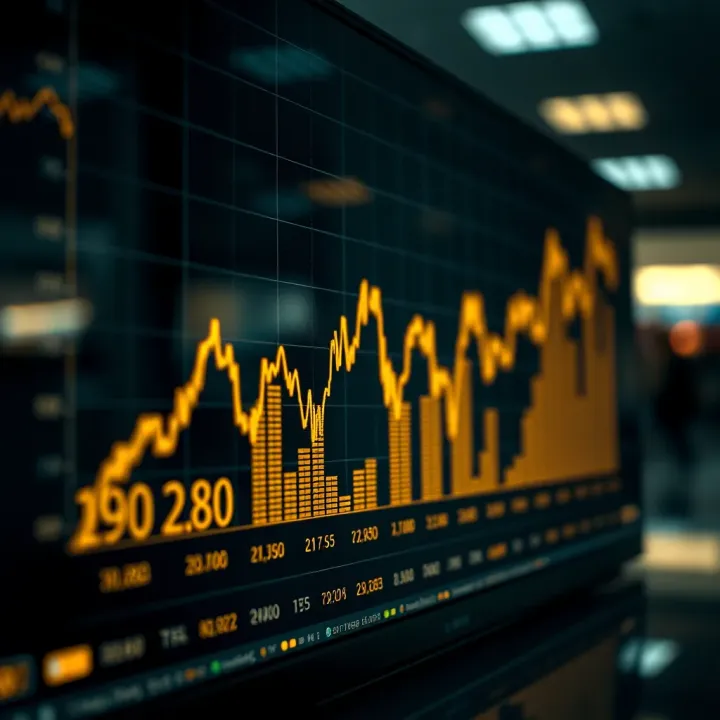
📈 Discover how local and global economic factors, PKR fluctuations, government policies & investment demand impact gold prices in Pakistan’s market outlook.
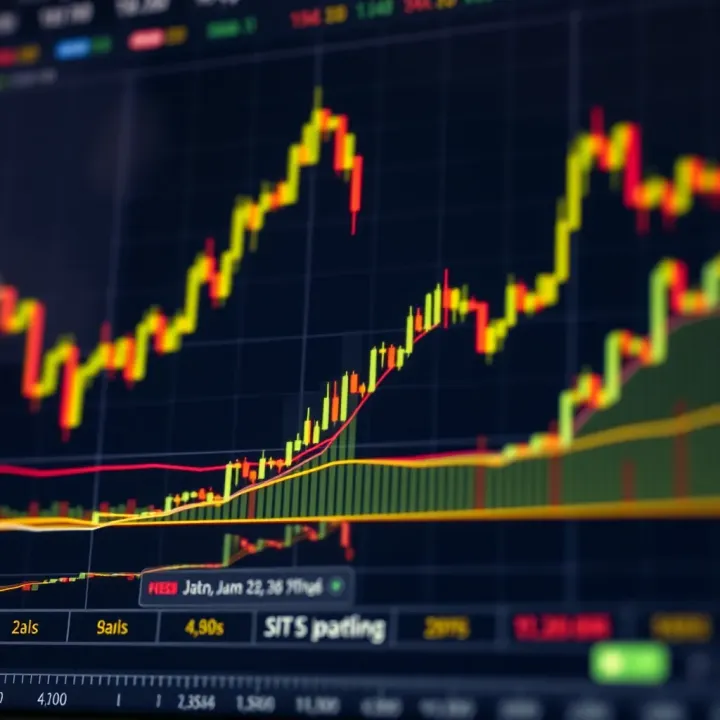
Explore Ethereum's price drivers, recent trends, and outlook 📈. Understand technical factors, market mood, regulations, and tech updates shaping its future.
Based on 5 reviews