
ARB Coin Price Prediction and Market Analysis
📈 Explore ARB coin price trends and factors shaping its future in Pakistan. Get expert insights and forecasts to make informed investment decisions on ARB.
Edited By
Henry Foster
Predicting the daily price of Bitcoin remains a challenge due to its high volatility and sensitivity to various factors. Yet, for traders, investors, and financial analysts in Pakistan, understanding daily price movements is crucial for making informed decisions in a rapidly changing market.
Bitcoin's price is affected by a mix of market sentiment, technical signals, and global economic events. For example, news about regulatory changes from major economies like the US or China often causes immediate price swings. Likewise, shifts in Pakistan's macroeconomic conditions, such as fluctuating exchange rates or foreign remittances, can indirectly influence Bitcoin demand locally.
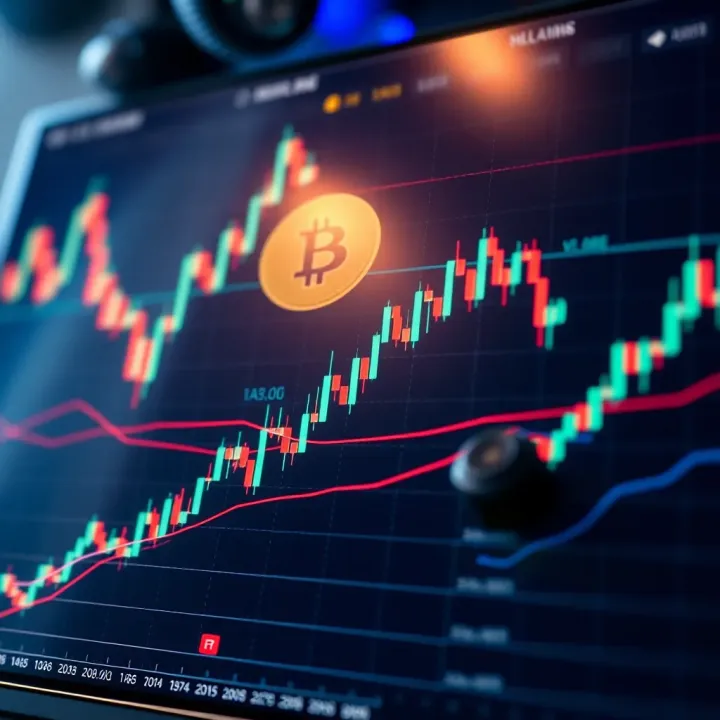
Technical analysis forms the backbone of most daily price predictions. Tools like moving averages, Relative Strength Index (RSI), and candlestick patterns provide hints on when Bitcoin might trend upwards or face corrections. For instance, an RSI crossing above 70 generally signals overbought conditions, prompting some traders to consider selling, while dipping below 30 suggests oversold conditions.
Daily Bitcoin price prediction requires combining technical indicators with awareness of breaking news and economic trends. Sole reliance on one method increases risk.
To get practical, investors can follow steps such as:
Monitoring Bitcoin's trading volumes for signs of stronger buyer interest.
Watching global financial news, including updates from the Federal Reserve or International Monetary Fund, since these can impact crypto markets.
Using technical chart setups tailored for short-term analysis, particularly those adjusting for Pakistan Standard Time (PKT).
The volatile nature of Bitcoin means predictions are inherently uncertain. In Pakistan’s economic context, factors like rupee depreciation and changing government policies on digital currencies add extra layers of complexity. Thus, having a flexible strategy and staying updated with local and international developments is essential.
This article will explore these aspects, offering you clear insights and analysis tools suited to the evolving nature of Bitcoin’s daily price dynamics.
Grasping how Bitcoin prices fluctuate is essential for any investor aiming to trade wisely. Bitcoin’s value can shift sharply within hours or even minutes, so understanding the driving factors gives a practical edge. It helps you identify when to enter or exit a trade, limit losses, and capitalise on opportunities. For example, recent volatility following announcements from major economies on cryptocurrency regulations clearly underlines why knowledge about price influence matters.
Bitcoin has a capped supply of 21 million coins, making scarcity a built-in feature. When demand rises—due to hype, adoption, or institutional interest—prices generally surge. Conversely, if more holders start selling, supply increases in the market, which tends to drag prices down. In Pakistan, where cryptocurrency awareness is growing but market liquidity remains thin, sudden spikes or dips often reflect this imbalance more sharply than in mature markets.
Institutional investors like hedge funds, banks, and large corporations hold the power to move Bitcoin prices with large buy or sell orders. Their entry into the market lends credibility and sometimes stabilises prices by adding depth. Take, for instance, when names like Tesla or MicroStrategy announce Bitcoin purchases; prices respond swiftly and dramatically. In Pakistan, though less active at scale, local funds or wealthy individuals increasingly act as institutional players, making their activities critical to watch.
Exchanges are the hubs where buyers and sellers meet. They influence prices through liquidity and transaction speed. Prominent exchanges such as Binance, Coinbase, and even regional platforms handle huge trade volumes, which helps smooth out price swings. However, smaller or less liquid exchanges may face sudden price movements when a few users trade large chunks of Bitcoin. Pakistani investors should monitor exchange spreads and volumes since local trading platforms might show different price behaviour from global ones.
Cryptocurrency regulations — or the lack of them — heavily affect Bitcoin’s value. Clear rules encourage buying, while bans or strict curbs trigger sell-offs. Pakistan’s regulatory stance remains unclear, creating uncertainty. When Federal Board of Revenue (FBR) or Securities and Exchange Commission of Pakistan (SECP) discuss crypto policies, prices often dip or jump depending on the tone. Globally, policy shifts in the US, EU, or China also ripple into Pakistani markets.
Wider economic conditions like inflation rates, currency devaluation, and political unrest influence Bitcoin demand as a potential store of value. For example, if the Pakistani rupee weakens significantly, local investors might view Bitcoin as a hedge against currency risk. Similarly, geopolitical tensions, such as border conflicts or sanctions, often push investors towards Bitcoin, which is seen as immune to government interference.
Upgrades to Bitcoin’s protocol or breakthroughs in blockchain technology enhance confidence and sometimes cause price jumps. Conversely, hacks, technical glitches, or security breaches at major exchanges shake faith, triggering sell-offs. For instance, when a big exchange suffers a cyberattack, traders globally respond by pulling back, affecting Bitcoin’s value. Pakistani users need to keep an eye on such news, especially given rising cyber risks in digital finance.
Understanding these specific factors can help you make smarter, timely decisions in the fast-moving crypto market, especially if you trade daily Bitcoin prices.
Predicting Bitcoin prices daily requires a blend of methods, mainly technical and fundamental analysis. Each approach offers unique insights, helping investors make informed decisions amid Bitcoin’s volatile nature. While technical tools focus on chart patterns and historical data, fundamental analysis looks at broader market conditions and real-world events affecting Bitcoin's value.
Moving averages smooth out price fluctuations to reveal trends. For example, a 50-day moving average crossing above a 200-day moving average signals a potential upward trend, known as a "golden cross." The Relative Strength Index (RSI) measures momentum, indicating if Bitcoin is overbought or oversold. An RSI above 70 typically suggests a price correction soon, while below 30 suggests buying opportunities. Pakistani traders often use these tools to time entry and exit points effectively.
Candlestick charts display daily price movements, with patterns like doji, hammer, and engulfing indicating trend reversals or continuation. Volume analysis complements this by showing the strength behind price moves. For instance, a rising Bitcoin price with increasing volume confirms buyer interest. Conversely, price rises on low volume may warn of weak momentum, a helpful tip for investors trading on Pakistan’s limited exchange volume during market hours.
Support is the price level where demand prevents further decline, while resistance limits price advances. Identifying these helps traders set stop-loss and target prices. For example, if Bitcoin repeatedly bounces off Rs 30 lakh, that level acts as support. Similarly, difficulty breaching Rs 35 lakh spells resistance. These levels are crucial in setting realistic expectations and managing risk.
Market sentiment reflects investor mood, often shifting prices before actual data arrives. In Pakistan, sentiment swings with news from major exchanges, PTA regulation hints, or social media chatter. Tools like the Fear and Greed Index gauge sentiment extremes, alerting traders to potential reversals.
Global events impact Bitcoin’s daily price sharply. For example, announcements from the US Federal Reserve on interest rates or Pakistan’s State Bank statements can cause swift market reactions. Local regulations, such as PTA’s stance on crypto trading apps, also affect investor confidence. Staying updated through reliable sources helps anticipate price movements.
On-chain data, like transaction counts, wallet activity, and mining difficulty, provides clues about Bitcoin’s health and future direction. An increasing number of active wallets usually signals growing adoption and demand. Moreover, observing large transfers between wallets or exchanges can indicate upcoming price shifts. Pakistani investors using platforms with on-chain metrics gain a better edge in daily trading decisions.
Combining these approaches helps tackle Bitcoin’s unpredictability. A trader in Karachi, for instance, might use RSI and support levels for entry points while monitoring global news and on-chain data to adjust positions promptly.
Predicting Bitcoin's price on a daily basis comes with significant challenges that investors and traders must understand. Unlike traditional markets, Bitcoin's high volatility and complex market dynamics make daily forecasts highly uncertain. Grasping these difficulties helps investors manage expectations and adjust strategies to better handle risks.
Rapid price swings within short periods are a defining trait of Bitcoin’s market. It is not uncommon to see fluctuations of several percentage points within the same day. For instance, Bitcoin’s price can jump from Rs 8 lakh to Rs 8.5 lakh and then dip back within hours, driven by sudden news or market sentiment shifts. Such quick movements can severely impact traders who rely on daily price predictions, as even the best analysis may become obsolete within minutes.
This volatility demands that investors stay alert and have contingency plans. Relying solely on daily predictions without preparation for sharp swings can lead to substantial losses. Practical approaches like monitoring real-time data and being ready to exit trades quickly offer better safety.
Influence of speculative trading further complicates prediction efforts. Many Bitcoin traders focus on short-term gains, often engaging in rapid buy-sell actions driven more by market hype than fundamentals. In Pakistan, some local investors may follow social media tips without thorough analysis, which inflates price swings unpredictably.
Speculation distorts Bitcoin’s price, causing it to diverge from intrinsic values calculated through standard analysis. This creates periods where prices rise or fall sharply, making daily prediction models less reliable. Investors should recognise that speculation can cause irrational moves, so balancing technical and fundamental insights with cautious risk management is necessary.
Overreliance on historical data is a common pitfall in Bitcoin price prediction. Many models input past price trends and volume to forecast the future, assuming history tends to repeat itself. However, Bitcoin's market remains relatively young and influenced by numerous unique factors such as regulatory news, macroeconomic changes, and technological updates.
For example, a model may predict upward momentum based on previous months’ data but fail to anticipate sudden governmental announcements affecting cryptocurrency legality in Pakistan or abroad. Investors depend on such models should appreciate their limits and complement them with current market news.
Difficulty in factoring unexpected events poses another serious challenge. Black swan events—like sudden government bans, exchange hacks, or major geopolitical tensions—can disrupt the market drastically and instantly. These events are too unpredictable to be captured by even the most sophisticated algorithms.
A good example is the market reaction to sudden announcements by the Securities and Exchange Commission of Pakistan (SECP), which significantly impact investor confidence. No predictive model fully accounts for the timing or impact of these occurrences, forcing traders to incorporate flexible strategies instead of trusting predictions blindly.
Managing Bitcoin price predictions effectively means understanding these challenges clearly. Awareness of volatility, speculative influences, and prediction model limitations helps investors make informed decisions rather than chasing elusive accuracy.
In summary, daily Bitcoin price prediction requires careful balancing of tools and real-world factors. Investors in Pakistan should focus on combining multiple methods with practical risk controls to navigate this unpredictable market successfully.
Using daily Bitcoin price predictions effectively requires more than just following the charts. Practical strategies can help you make smarter decisions and manage risks, especially in Pakistan’s dynamic crypto market. This section offers actionable tips on combining analysis tools and managing risks to enhance your trading outcomes.
Relying on a single source or tool often leads to gaps in understanding Bitcoin’s price movements. Combining technical and fundamental analysis provides a fuller picture. Technical analysis looks at patterns like moving averages and volume trends, while fundamental analysis considers market news, sentiment, and on-chain data. For example, if a price dip coincides with negative regulatory news in Pakistan, this confirms the trend’s strength more than either indicator alone.
Using multiple indicators helps reduce false signals. A trader observing a bullish RSI but negative news sentiment might decide to wait rather than jump in. This mix forms a balanced approach, making predictions more reliable and helping traders respond to market swings thoughtfully.
Equally important is incorporating Pakistani market data where possible. Local exchanges, payment gateways like JazzCash, or activity on Pakistani crypto forums can reveal unique trends. For instance, changes in Pakistani demand due to Rupee fluctuations or government policies may not immediately appear on global charts but impact prices here. Staying tuned to Pakistan-specific data keeps your predictions grounded in local realities.
Setting stop-loss and take-profit limits protects your capital when markets swing quickly. A stop-loss order automatically sells your Bitcoin when prices hit a predetermined level, preventing large losses. Conversely, a take-profit order locks in gains when the price hits your target. For example, if you buy Bitcoin at Rs 5,000,000, you might set a stop-loss at Rs 4,800,000 and take-profit at Rs 5,300,000 to regulate your risk and reward.
Managing investment size is equally crucial. No matter how confident a prediction seems, never invest more than you can afford to lose. Smaller, consistent investments shield you from market shocks and help maintain a balanced portfolio. For example, allocating just 10-15% of your investment capital to Bitcoin and keeping the rest in stable assets or cash reduces stress and exposure compared to an all-in approach.
Combining analysis methods with disciplined risk management can help traders navigate Bitcoin’s volatility with greater confidence, especially when dealing with Pakistan’s unique market dynamics.
By following these practical steps, investors in Pakistan can use daily Bitcoin price predictions not just as forecasts but as tools supporting smarter, safer trading decisions.
Reliable sources for daily Bitcoin price predictions are vital for investors and traders in Pakistan to make informed decisions. Given Bitcoin’s volatility, having access to accurate and timely predictions helps manage risk and optimise entry and exit points. Pakistani market conditions, such as rupee fluctuations and regulatory updates, make localised insights particularly valuable alongside international data.
Apps like Tez Financial and CryptoMind cater specifically to Pakistani crypto investors by offering daily price updates, market analysis, and alerts in familiar currency terms (PKR). Tez Financial, for example, integrates local exchange rates and tracks Bitcoin price movements relative to the rupee, helping users gauge potential gains or losses more precisely. CryptoMind also provides predictive analytics based on technical indicators, making it easier for Pakistani traders to combine market sentiment with data-driven foresight.
International platforms like CoinMarketCap and Binance are essential to track broader trends and global volume, which strongly influence daily price movements. CoinMarketCap offers detailed charts, historical data, and live pricing sourced from multiple exchanges worldwide. This helps Pakistani investors understand Bitcoin’s momentum across markets, not just locally. Binance, known for high liquidity and diverse trading pairs, provides real-time stats and order book information. Traders in Pakistan often rely on Binance for executing trades and observing market depth which aids daily price predictions.
Active participation in Pakistani crypto forums and groups delivers grassroots-level insights. Platforms like local Telegram channels, Facebook groups, and dedicated forums provide real-time discussions about price moves, regulations, and emerging trends. For example, investors often share daily technical setups or reaction to news events that apps or websites may delay reporting. This community knowledge can fill gaps in automated predictions, offering a more nuanced view of the market.
Following crypto influencers and analysts based in Pakistan is another helpful way to stay updated. Analysts provide daily videos, threads, and posts breaking down Bitcoin price action, often highlighting forthcoming risks or opportunities specific to Pakistan’s crypto environment. They interpret global developments alongside local context, such as PTA’s stance or cryptocurrency tax policies. Engaging with these experts helps investors avoid misinformation and improves confidence in daily trading decisions.
A well-rounded approach combines credible apps, global platforms, and local community insights to form trustworthy daily Bitcoin price predictions tailored for Pakistan’s unique market dynamics.
By using these sources regularly, traders and investors can respond smarter to Bitcoin’s fast-changing market and protect their investments effectively.
Predicting Bitcoin's price daily is a complex task, but its future in Pakistan holds particular significance due to growing interest among investors and traders. Accurate forecasting tools could help market participants navigate the volatility and maximise their returns. This section highlights how advancements in technology, especially AI, and evolving regulations will shape Bitcoin price prediction in the local context.
AI and machine learning offer promising ways to enhance Bitcoin price predictions by analysing vast amounts of data both on-chain and from market sentiment. These technologies can identify subtle patterns and correlations missed by traditional models, which helps in forecasting short-term price movements more reliably. For instance, AI algorithms can combine technical indicators with social media trends and transaction volumes to adjust predictions dynamically.
However, these models have limitations. The crypto market is highly influenced by unexpected events like regulatory announcements or geopolitical tensions, which AI struggles to predict accurately due to a lack of historical precedence. Besides, data quality and local factors unique to Pakistan, such as trading volumes on local platforms or informal markets, may affect model performance.
Several startups in Pakistan are already adopting AI technologies to support crypto trading. For example, companies like Cryptonex and Algorise Pakistan have begun developing tools that analyse sentiment from Urdu and English-language news sources to gauge market mood. Their platforms integrate machine learning models to provide daily signals for traders, enhancing their decision-making in Pakistan's emerging market environment.
The regulatory environment in Pakistan is shaping Bitcoin's future significantly. The Pakistan Telecommunication Authority (PTA) and Securities and Exchange Commission of Pakistan (SECP) have been exploring frameworks to regulate cryptocurrency trading and related services. Clear guidelines could improve market confidence and attract institutional players, eventually stabilising price movements and improving prediction accuracy.
Conversely, uncertain or strict regulations could spur market fragmentation, pushing trading activity underground and increasing volatility. Investors should monitor regulatory developments closely, as they directly affect liquidity and transparency of Bitcoin trading in Pakistan.
Pakistan’s crypto market shows robust growth potential. With rising internet penetration and youth interest, platforms like Tez Financial and CryptoMind are gaining local traction. As education around cryptocurrencies grows, more investors might engage in daily trading, enhancing market depth. This increased participation could lead to more reliable price movements, enabling better forecasting using both traditional and AI-driven methods.
Understanding regulatory shifts and technological advances is vital for investors aiming to navigate Bitcoin price changes in Pakistan confidently.
In summary, the future of Bitcoin price prediction in Pakistan will likely depend on how well AI models evolve to capture local market nuances and how regulations strike a balance between oversight and innovation. Staying informed about both will help investors make smarter, data-driven decisions.
📈 Explore ARB coin price trends and factors shaping its future in Pakistan. Get expert insights and forecasts to make informed investment decisions on ARB.
Explore APT Coin price prediction 📈 with a detailed look at market trends, tech fundamentals, and key factors shaping its future in crypto investing 🔍
Explore Zilliqa (ZIL) price insights 📉, expert analysis, market trends 📊, and risks 🔍 to help investors in Pakistan make smart moves with this cryptocurrency.
📈 Explore today's Bitcoin price prediction with insights on market trends, expert views, and investment tips tailored for Pakistan's crypto traders.
Based on 11 reviews