
XRP Price Prediction and Market Outlook Today
Stay ahead in the XRP market with in-depth price predictions, trend analysis, and expert insights 📈 tailored for investors in Pakistan 🇵🇰 today.
Edited By
Henry Foster
Cryptocurrency has become a hot topic in Pakistan and worldwide, sparking interest from traders, investors, brokers, and financial analysts alike. The fast-evolving nature of this market means staying updated on current news and trends isn't just helpful—it’s essential. Recent regulatory changes, major technological upgrades, and shifting economic conditions are shaping how cryptocurrencies perform and how Pakistanis can participate safely and profitably.
The crypto market in Pakistan is particularly interesting due to ongoing regulatory discussions and the rise of digital payment platforms like JazzCash and Easypaisa supporting fintech innovations. While the State Bank of Pakistan (SBP) has not yet fully legalised cryptocurrencies, the increasing interest has pushed the government to consider clearer policies. This fluid environment demands careful attention to both local and global developments.
Several factors affect cryptocurrency prices and adoption, including:
Government regulations and policy announcements: Rules on taxation, trading licences, or outright bans can trigger swift market reactions.
Technological advancements: Upgrades like Ethereum’s move to proof-of-stake influence network efficiency and environmental impact, attracting both investors and sceptics.
Economic indicators: Inflation rates, PKR exchange rates, and foreign investment trends impact investor confidence in crypto as an asset class.
Global market sentiment: News from major crypto exchanges, institutional investors, and international regulators shape price trends beyond Pakistan's borders.
Traders in Pakistan should monitor announcements from the Securities and Exchange Commission of Pakistan (SECP) alongside international regulatory bodies to anticipate market fluctuations.
Understanding these dynamics can help stakeholders make informed decisions. This article will break down the latest developments and provide realistic market predictions, keeping you ahead in the ever-changing crypto space.
Understanding current trends in cryptocurrency is essential for investors and traders wanting to stay ahead. These trends reflect shifting investor sentiment, technological advancements, and global economic conditions that directly influence crypto prices and market behaviour. Tracking major cryptocurrencies, emergent altcoins, and market capitalisation patterns provides practical insights for making informed decisions.
Bitcoin remains the benchmark for the entire crypto market, with its price movements often setting the tone. Recent developments such as Bitcoin’s upcoming protocol upgrades and growing adoption in institutional portfolios highlight its continued relevance. Ethereum, meanwhile, is shifting towards a proof-of-stake consensus with Ethereum 2.0, which promises to reduce energy use and improve scalability. These updates affect not only their own valuations but also the broader ecosystem reliant on their networks.
Besides Bitcoin and Ethereum, altcoins like Solana, Cardano, and Polkadot are gaining traction thanks to their faster transaction speeds and unique features like staking rewards or cross-chain compatibility. For Pakistani investors, these altcoins often offer interesting diversification options beyond the traditional big players. However, altcoins tend to show higher volatility and require careful analysis before investment.
Tracking shifts in total market cap helps gauge the overall health and potential of the crypto sector. For instance, sudden spikes in market cap often correspond with increased retail interest or positive news, while sharp declines may signal regulatory concerns or broader economic pressure. Even within the Pakistani context, observing market cap trends can guide decisions about entry points and potential risks.
Global economic factors like inflation, interest rates, and forex fluctuations have a direct ripple effect on crypto markets. For example, when the US dollar weakens, cryptocurrencies often attract buyers looking for alternative stores of value. Given PKR’s volatility against the dollar, Pakistani investors should watch international economic signals closely to manage currency translation risk.
Tensions such as trade wars or political instability in key regions often lead to sudden crypto price swings. Cryptocurrencies sometimes act as a hedge when traditional markets falter due to uncertainty. For instance, during recent Middle East tensions, Bitcoin’s price showed noticeable volatility as investors reassessed risk.
The entry of institutional investors like hedge funds and asset managers adds significant volume and legitimacy to crypto markets. Their participation often brings improved liquidity and reduces price manipulation risks. Pakistani financial professionals should monitor announcements from large institutions, as their decisions can trigger sizeable market movements and influence local investment opportunities.
Keeping an eye on current trends in cryptocurrencies, along with global events, is critical for anyone involved in trading or investing. These factors collectively shape market dynamics and offer cues to optimise strategies.
Regulation plays a significant role in shaping cryptocurrency markets, impacting investor confidence and market stability. Understanding regulatory environments helps traders and investors navigate risks and opportunities more effectively. In Pakistan and globally, evolving rules influence how digital assets are traded, reported, and taxed, making this a critical aspect for anyone involved in crypto.
The State Bank of Pakistan (SBP) has maintained a cautious stance on cryptocurrencies. Since 2018, SBP has prohibited banks and other financial institutions from dealing with or facilitating cryptocurrency transactions. This directive means that direct trading or payments using cryptocurrencies via regulated financial channels are not officially permitted in Pakistan.
For local investors, this creates practical challenges, such as difficulty in converting crypto holdings to cash or accessing banking services linked to crypto activities. At the same time, this cautious approach aims to protect consumers from fraud, scams, and money laundering risks often associated with unregulated crypto markets.
Currently, Pakistan does not recognise cryptocurrencies as legal tender, leaving their legal status somewhat ambiguous. This uncertainty complicates tax treatment for crypto earnings. The Federal Board of Revenue (FBR) has shown interest in taxing crypto assets, particularly as trading volume grows, but clear tax regulations are still developing.
For investors, this situation means capital gains and income from crypto trading might fall under existing income tax laws, but without explicit guidelines, reporting and compliance can be confusing. Traders should carefully document transactions to be prepared for any future tax audits or clarifications.
Pakistani crypto traders face multiple hurdles, primarily due to banking restrictions and lack of official recognition. Payment gateways like JazzCash and Easypaisa do not support crypto transactions, forcing traders to rely on peer-to-peer platforms or foreign exchanges.
This creates liquidity challenges, higher transaction costs, and increased exposure to scams. Additionally, fluctuating rupee exchange rates against USD complicate profit calculations for cross-border trades. These practical barriers mean traders often need more education and caution when engaging in cryptocurrency markets within Pakistan.
The United States and European Union have become increasingly active in regulating cryptocurrencies with a focus on investor protection and crime prevention. Recent rules include stricter anti-money laundering (AML) standards and clearer definitions of digital assets under securities law.
For Pakistani investors using international platforms, these regulations improve transparency and security but may result in tougher KYC (Know Your Customer) requirements, affecting ease of access. Global players like Coinbase and Binance adjust their policies to comply with these updates, impacting users worldwide.
Regulatory clarity usually helps stabilise markets by reducing uncertainty and speculative volatility. When governments announce consistent rules, institutional investors gain confidence to enter markets, supporting sustainable growth.
Conversely, sudden bans or unclear regulations can trigger sharp price swings. For example, China's crypto restrictions in recent years led to significant market drops. Pakistani traders should monitor global regulatory shifts, as they often ripple through local trading patterns and prices.
Cryptocurrencies inherently facilitate cross-border transfers, but regulation varies widely across countries. Restrictions on crypto remittances or reporting requirements can slow transactions and increase costs.
Pakistan’s current banking restrictions complicate inbound and outbound crypto transfers. Still, demand remains strong, especially among the diaspora sending remittances via crypto to bypass traditional channels. As international frameworks evolve, smoother cross-border crypto payments could become possible, offering cheaper and faster ways to move funds globally.
Understanding both local and global regulatory landscapes is essential for anyone engaging in cryptocurrency trading or investment today. It helps manage risks, ensure compliance, and identify emerging opportunities in this fast-changing market.
Technological progress continues to reshape how cryptocurrencies function and influence markets. These developments are key for traders, analysts, and investors aiming to anticipate market shifts and identify new opportunities. In Pakistan and globally, understanding innovations in blockchain, decentralised finance (DeFi), and non-fungible tokens (NFTs) aids in assessing risks and benefits more accurately.
Blockchain networks like Bitcoin and Ethereum have long faced scalability challenges, limiting transaction speed and increasing fees. Recent upgrades, such as Ethereum’s shift to proof-of-stake with its "Merge", have addressed speed and energy consumption. These improvements matter practically because faster, cheaper transactions attract more users and reduce bottlenecks, making crypto payments and trades smoother.
Security enhancements are also vital. New consensus algorithms and cryptographic techniques help protect against attacks like 51% breaches or double-spending, which can erode investor confidence. For example, integrating zero-knowledge proofs allows for private yet verifiable transactions—important for traders wanting confidentiality without compromising trust.
Smart contracts automate agreements without intermediaries. Innovations focus on increasing their functionality, flexibility, and safety. Platforms like Solana and Polkadot are pushing boundaries by enabling more complex contracts with lower costs and higher speed compared to earlier Ethereum models.
For investors, this means decentralised applications (dApps) can offer more varied services—such as lending, insurance, or automated trading—directly on the blockchain. This reduces reliance on traditional financial institutions and lowers entry barriers, especially in markets like Pakistan where access to banking can be limited.
Interoperability refers to blockchain networks communicating and interacting seamlessly. Instead of isolated chains, interoperable systems allow for asset transfers and data exchange across platforms. Projects like Cosmos and Polkadot provide frameworks to link blockchains.
This connectivity expands investment options and user convenience. For instance, a trader could move assets from Ethereum to Binance Smart Chain without complex conversions, saving time and fees. For Pakistani crypto users, interoperability could support smoother integration across international platforms, improving liquidity and market flexibility.
DeFi platforms have grown for offering loans, staking, and yield farming without traditional banks. This appeals particularly in Pakistan, where many lack easy bank access. However, DeFi carries risks: smart contract bugs, scams, and extreme volatility remain concerns. Investors should stay vigilant and consider these factors seriously when engaging with DeFi products.
NFTs started as digital art but now cover music, gaming, and collectibles. Recent trends show market stabilisation after an initial hype cycle, with a focus on utility and community-building rather than pure speculation.
Pakistani artists and creators are beginning to tap into NFTs, offering cultural works that attract global attention. NFTs could reshape how creative work is monetised locally, providing new revenue streams beyond traditional means.
Pakistan is witnessing unique crypto applications tailored to its environment. For example, P2P crypto marketplaces help circumvent banking limitations, allowing smoother fiat-crypto exchange. Remittances via cryptocurrencies are gaining traction, offering cheaper and faster transfers from overseas Pakistanis.
Moreover, there’s increasing interest in tokenising real estate or agricultural assets using blockchain, which could improve transparency and attract investment. These local innovations show how technology adapts to the distinct challenges and opportunities Pakistan faces in the crypto space.
Technological advances in blockchain and related fields aren't just abstract improvements—they directly influence how you trade, invest, and use cryptocurrency daily. Staying aware of these developments can help you navigate the evolving crypto market more confidently.
Forecasting cryptocurrency market movements helps investors and traders make informed decisions. This process analyses price trends, trading volumes, and external factors that influence the crypto market, offering practical guidance for managing risks and spotting potential gains. For Pakistani investors in particular, understanding these forecasts supports better timing for buying or selling coins like Bitcoin or Ethereum, considering the local regulatory landscape and economic conditions.
Short-term price fluctuations refer to rapid changes in cryptocurrency values over hours or days. These are common due to the market's sensitivity to news, investor sentiment, and global events. For example, if the State Bank of Pakistan announces stricter crypto regulations, prices could dip quickly. Traders use technical indicators like moving averages and RSI (Relative Strength Index) to anticipate these swings, aiming to capitalise on sudden rises or avoid losses during falls.
Long-term growth projections focus on expected trends over months or years. Analysts consider factors like blockchain adoption, technological upgrades, and economic shifts. For instance, if Bitcoin gains wider acceptance among Pakistani businesses and investors during FY 2024-25, its value might steadily rise. These projections guide long-term investors who hold assets through market ups and downs, betting on overall growth rather than quick profits.
Volatility arises from various sources like regulatory news, technological changes, or macroeconomic developments. In Pakistan, sudden announcements related to crypto legality or foreign exchange policies can cause rapid price swings. Additionally, global incidents—such as conflicts affecting supply chains or energy prices—impact market stability. Understanding these drivers helps investors prepare for uncertainty and adjust their strategies accordingly.
Cryptocurrency markets remain unpredictable, partly due to unclear regulations in Pakistan and abroad. Regulatory risks include potential bans, taxation changes, or limits on transactions through platforms like JazzCash or Easypaisa. Such uncertainties can trigger sharp market reactions, making it essential for investors to stay updated on government policies to avoid sudden losses.
Pakistani investors should adopt diversified portfolios to mitigate risks, combining established coins like Bitcoin with promising altcoins. Considering local payment gateways and compliance requirements is crucial, as trading on non-compliant exchanges can lead to asset freezes. Employing a balanced mix of short-term trades and long-term holds aligns with different risk appetites and market conditions.
Education plays a vital role in empowering investors to navigate crypto risks safely. Awareness about scams, fake ICOs (Initial Coin Offerings), and secure wallet practices reduces potential losses. Pakistani platforms and media can help by providing accessible information tailored to local contexts—detailing how taxation works with cryptocurrency gains or explaining CNIC verification for exchanges. An informed investor community contributes to a healthier, more transparent market.
Forecasting market movements requires recognising both technical signals and geopolitical realities. In Pakistan's evolving crypto environment, constant learning and cautious optimism serve investors best.
Stay ahead in the XRP market with in-depth price predictions, trend analysis, and expert insights 📈 tailored for investors in Pakistan 🇵🇰 today.
📈 Explore detailed ADA price predictions with insights on Cardano's market trends, expert forecasts, and key factors shaping its future value.
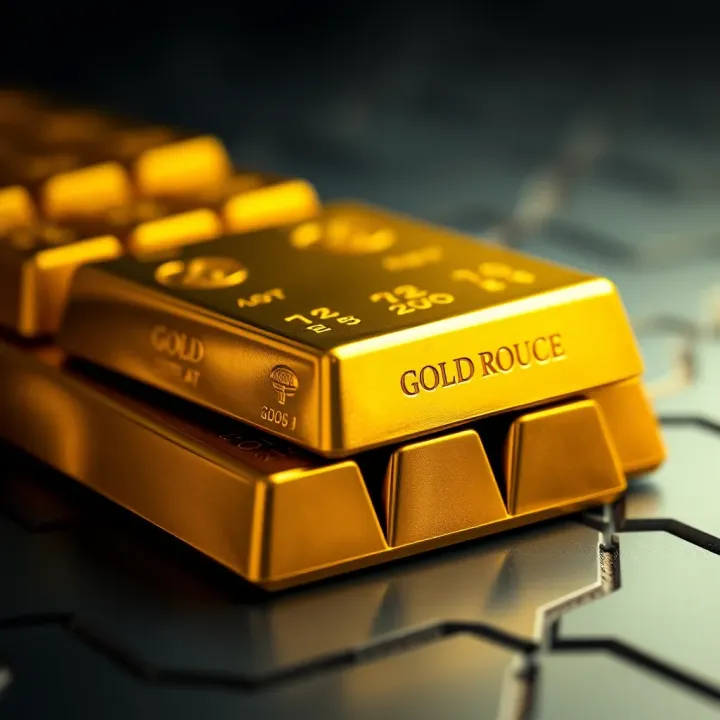
📈 Explore today's gold price outlook in Pakistan, examining key economic indicators, geopolitical events, and market trends shaping investor decisions.
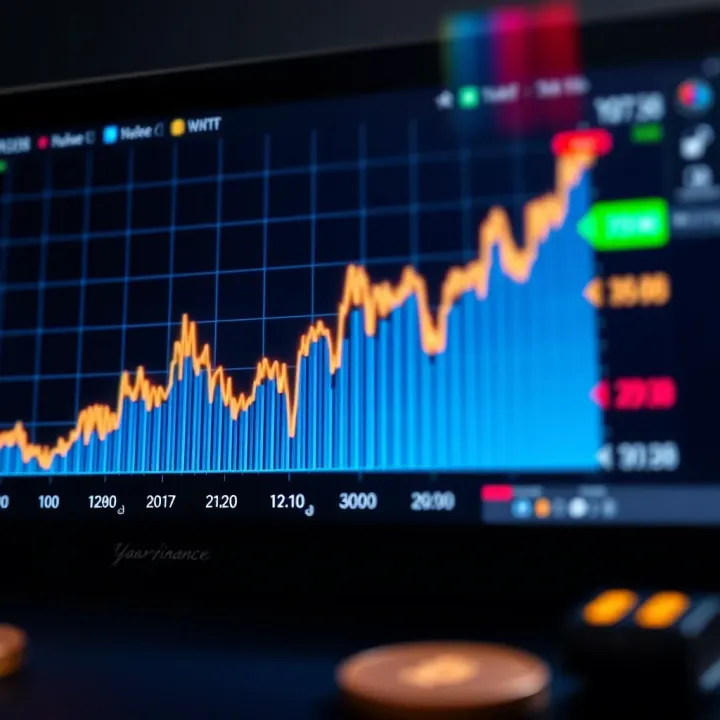
📈 Explore Yearn Finance (YFI) price trends, market factors, and risks in Pakistan's crypto scene. Get insights on what to expect next for YFI investments.
Based on 11 reviews