

TradingView Guide for Better Market Insights
Explore TradingView's key features, charts, and indicators 🎯. Learn tips for markets and join a community to boost your trading in Pakistan 📈🇵🇰.
Edited By
Charlotte Evans
Coca-Cola has long been a titan in the beverage sector, not only globally but notably in Pakistan's diverse market. However, it never holds the crown without strong competition. To grasp Coca-Cola's standing, it’s crucial to understand the key rivals challenging its market share.
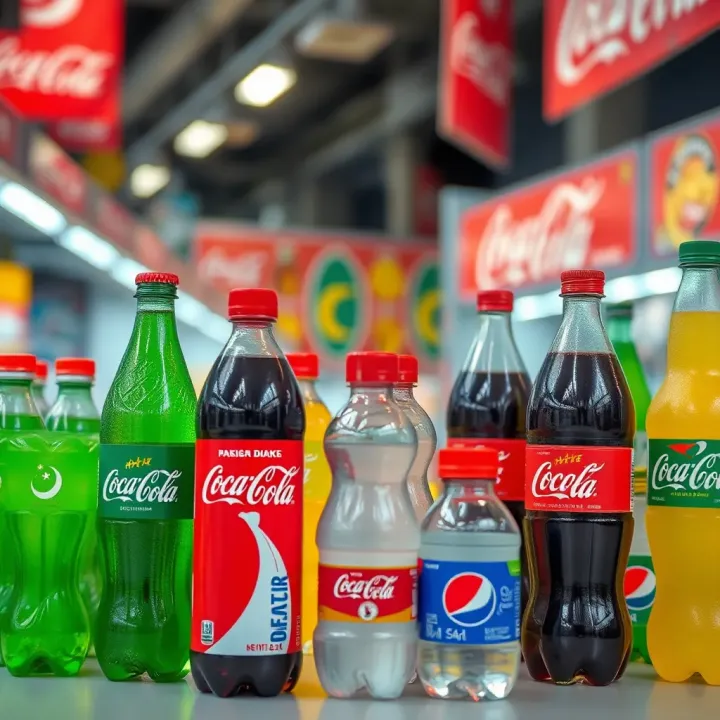
PepsiCo is undoubtedly the loudest contender against Coca-Cola worldwide. Both conglomerates battle fiercely over similar product lines—ranging from carbonated sodas to bottled water and energy drinks. PepsiCo’s strategy includes aggressive marketing campaigns, diverse product innovations like Mountain Dew and Tropicana juices, and regional adaptations. Their approach often focuses on younger demographics through sports sponsorships and digital promotions.
Another significant player is Nestlé, which dominates the bottled water and ready-to-drink tea segments. Though not a direct soda competitor, Nestlé’s range appeals to health-conscious consumers, subtly shifting preferences away from sugary beverages.
In Pakistan, the picture changes subtly. While PepsiCo does maintain strong presence with brands like Pepsi, 7UP, and Mirinda, local companies also vie for consumer attention. National brands such as Gourmet and Gourmet Cola have carved niches by focusing on affordability and taste preferences that resonate well with Pakistani consumers.
Brand Loyalty and Recognition: Coca-Cola banks heavily on its global image, but PepsiCo challenges this with localised branding and promotional tie-ins.
Pricing Strategies: In price-sensitive markets like Pakistan, subtle price shifts can impact market shares quickly. Regional players often undercut the giants to attract lower-income consumers.
Product Diversification: Both global and local competitors have expanded into healthier options, including sugar-free variants, juices, and bottled water. This diversification affects traditional soda sales.
Understanding how these competitors operate offers investors and analysts clearer insights into market dynamics and potential shifts in consumer preferences.
For traders and financial analysts, recognising these nuances can reveal investment opportunities or risks tied to beverage sector stocks on Pakistan Stock Exchange (PSX) or international markets. Assessing strategic moves by Coca-Cola’s rivals provides a clearer picture beyond headline market dominance.
In summary, Coca-Cola faces a sophisticated competitive environment blending global giants and regional contenders, each using unique strategies to gain ground. Staying aware of these factors helps predict shifts in market leadership and consumer trends affecting the beverage industry in Pakistan and beyond.
Coca-Cola operates in a fiercely competitive global beverage market where understanding its main rivals is essential to grasp the broader industry dynamics. This section highlights those competitors who challenge Coca-Cola’s market position through diverse product ranges, innovative marketing, and expansive global reach. Their strategies offer insight into how the soft drink giant responds to evolving consumer preferences and market pressures.
PepsiCo is Coca-Cola’s chief rival worldwide, boasting a diversified product mix beyond carbonated drinks. Its portfolio spans snacks, juices, bottled water, and health-oriented beverages. In Pakistan, brands like Lay’s and 7UP complement Pepsi’s soft drinks, increasing market resilience. This variety lets PepsiCo target multiple consumer segments, reducing reliance on any single category.
PepsiCo actively invests in high-impact sponsorships, such as cricket tournaments and music festivals, to solidify brand loyalty among young consumers. Its campaigns often blend traditional advertising with digital outreach, reflecting Pakistan’s rising internet penetration. This approach effectively engages urban youth, a key demographic driving beverage consumption.
PepsiCo’s presence spans over 200 countries, including significant shares in emerging markets like Pakistan, India, and China. It holds about 25-30% market share in soft drinks globally, closely trailing Coca-Cola. Such wide distribution channels and local partnerships help PepsiCo maintain competitive advantage against Coca-Cola’s dominance.
Though smaller, Dr Pepper Snapple Group offers unique soft drinks and juices, carving niche markets with brands unavailable in Coca-Cola’s lineup. Their focus on regional US markets limits global competition but challenges Coca-Cola in specific categories like specialty sodas.
Nestlé has a strong foothold in bottled water and coffee segments, expanding its beverage scope through Nescafé and Pure Life brands. While it doesn't compete intensely in carbonated drinks, its growth in health-focused beverages poses challenges to Coca-Cola’s diversification efforts.
Companies like Red Bull and Monster Energy dominate energy drinks, a growing global segment where Coca-Cola also invests. Regional brands in Latin America, Europe, and Asia cater to local tastes, pressuring Coca-Cola to innovate and localise its products continuously.
Having a clear picture of these global competitors helps understand Coca-Cola's strategies and how market shifts affect investment decisions.
This overview equips analysts, investors, and traders to better evaluate competitive risks and opportunities within the global beverage sector.
Local and regional competitors hold significant weight in Pakistan's beverage market, often tailoring their strategies to meet specific tastes, economic conditions, and cultural preferences that global giants may overlook. Understanding their role helps investors and analysts gauge competitive pressures Coca-Cola faces beyond multinational rivals. These local players leverage their deep market understanding to build niche followings, which can chip away at the market share of larger brands.
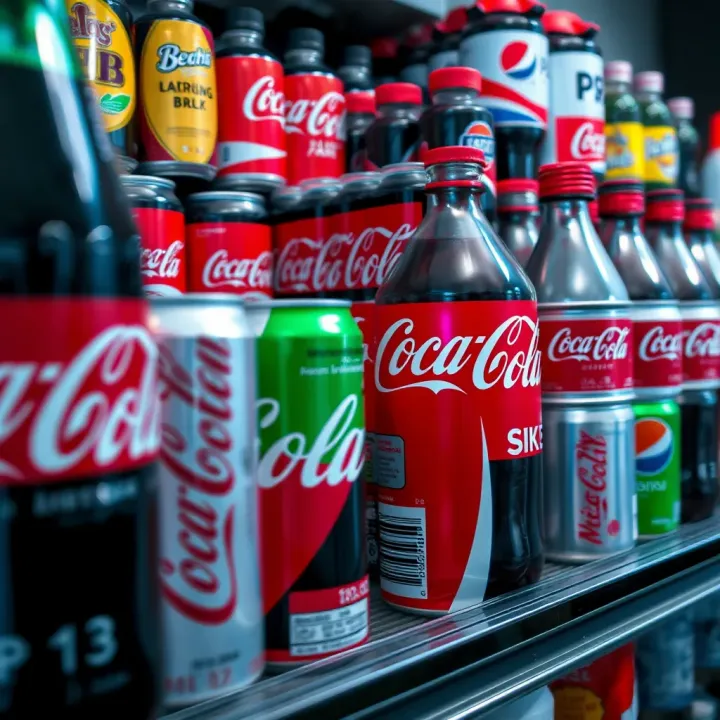
Pakola and Gourmet Foods have carved out strong positions by offering unique flavours that resonate with Pakistani consumers. Pakola, introduced in 1950, is a home-grown soft drink brand, famous for its distinct ice-cream soda flavour, which remains popular especially in Sindh and southern Punjab. Gourmet Foods, primarily known for its confectionery and bakery products, also markets beverages that cater to local tastes, often positioning these products as affordable alternatives to international brands.
Murree Brewery Company is another notable name, functioning not just as a brewery but also as a soft drink producer. Despite their primary association with alcoholic beverages, Murree has diversified into non-alcoholic products, appealing to a wider audience. Their extensive distribution networks provide them a foothold in both urban and rural markets. This diversification helps them stay competitive against multinational companies like Coca-Cola.
Emerging Local Soft Drinks Brands continue to enrich Pakistan's beverage landscape. Brands such as Sufi Drinks and Shezan have increased investment in marketing and innovation, creating flavoured sodas and juices that appeal to younger consumers. These brands focus on competitive pricing and local tastes, which help them gain shelf space in neighbourhood stores and bazaars, often undercutting larger companies on price.
Distribution and Supply Chain Constraints remain a significant hurdle for local beverage companies. Poor road infrastructure in rural areas, frequent fuel shortages, and burdensome logistical costs restrict their outreach capabilities. Even so, successful local brands often develop creative distribution strategies, like using local kiryana stores and partnering with informal retail networks, to keep supplies steady in harder-to-reach areas.
Consumer Loyalty and Brand Recognition pose both challenges and opportunities. While multinational companies enjoy strong global brand visibility, local brands often benefit from community trust and national pride. For instance, Pakola’s heritage status creates a loyal customer base that prefers it over international options. However, without continuous innovation and marketing investment, it risks falling behind in increasingly competitive environments dominated by aggressive advertising from Coca-Cola and PepsiCo.
Impact of Pricing and Taxes plays a decisive role in shaping market dynamics. Local players are particularly sensitive to excise duties and sales taxes on soft drinks, which can increase production costs. This factor sometimes forces them to raise prices, risking a loss of price-sensitive consumers. On the other hand, strategic pricing combined with government tax incentives for small to medium enterprises could open room for growth. Assessing tax policies and pricing moves is vital for forecasting the potential of these local competitors.
In Pakistan’s complex beverage market, local and regional competitors, despite obstacles, maintain their relevance by tapping into cultural connections, pricing strategies, and innovative distribution efforts that differ substantially from multinational models.
Overall, these competitors demand attention from investors and business analysts alike, as they contribute notably to the market composition alongside global giants like Coca-Cola.
Analysing the product strategies of Coca-Cola alongside its competitors is key to understanding how the company maintains its market position. This comparison highlights how innovation, pricing, and marketing approaches serve as tools for gaining consumer attention and loyalty in a crowded beverage market. For investors and analysts, such insights reveal potential growth areas and risks linked to product trends and consumer behaviour.
Rising health consciousness worldwide has pushed beverage companies, including Coca-Cola, to offer low-sugar, zero-calorie, and natural ingredient options. For instance, Coca-Cola’s launch of Coca-Cola Zero Sugar directly responds to the demand for healthier sodas. Competitors like PepsiCo have followed suit with their own low-calorie variants such as Pepsi Max. This shift not only attracts health-aware urban consumers but also aligns with regulatory trends in Pakistan, where sugar taxes impact sales.
Offering diverse flavours helps companies target different consumer preferences and regional tastes. Coca-Cola’s regular introduction of flavour variants like Orange Vanilla and Cherry Coke caters to youthful, experimental buyers. Packaging innovations, such as smaller 150ml bottles or multi-pack formats, also support flexible consumption occasions, from single servings during commutes to family gatherings. Local competitors may leverage affordable packaging sizes to gain a share in price-sensitive rural markets.
Limited-time products create excitement and urgency among buyers. For example, Coca-Cola’s Ramadan or Eid-themed packaging in Pakistan often boosts sales temporarily as consumers purchase for festivities. This tactic encourages trial and adds novelty, which can momentarily sway brand loyalty. Competitors, including PepsiCo and regional brands, deploy similar limited editions, making this approach a competitive norm in the beverage sector.
Price promotions remain effective in gaining quick volume growth, especially in markets like Pakistan where consumers respond strongly to value deals. Coca-Cola and PepsiCo frequently launch bundle offers or festive discounts to attract shoppers. Local brands might use aggressive pricing paired with in-store promotions to challenge big players. For traders and investors, observing these campaigns can signal shifts in market share or consumer price sensitivity.
Traditional media such as television and print still plays a major role in Pakistan, with Coca-Cola and competitors investing heavily in prime-time ads and sponsorship of popular sports like cricket. This strengthens brand visibility across urban and semi-urban populations. However, regional brands often focus on local radio, outdoor hoardings, and bazaars to reach less urbanised consumers effectively.
Digital marketing through social media sites like Facebook, Instagram, and TikTok is becoming crucial for targeting Pakistan’s young, tech-savvy population. Coca-Cola engages users with interactive campaigns, influencer partnerships, and contests, enhancing brand engagement and loyalty. Competitors also ramp up their online presence, recognising that digital platforms allow cost-efficient, targeted outreach particularly important amid rising smartphone penetration.
Understanding these product and pricing strategies helps investors and analysts gauge how beverage companies adapt to evolving consumer demands, regulatory pressures, and competitive pressures in Pakistan and globally.
Consumer preferences and market trends shape the battle for market share between Coca-Cola and its rivals. Understanding what buyers want and how those desires shift offers companies clues on where to innovate and invest. This is especially true in Pakistan's beverage market, where tastes and awareness are evolving rapidly.
Demand for Sugar-Free and Natural Drinks is rising as more consumers look beyond taste to health. With increasing diabetes and obesity concerns in Pakistan, many buyers are cutting down sugary sodas. Brands like PepsiCo and Coca-Cola have responded by launching sugar-free variants and beverages with natural sweeteners. This change helps companies retain health-aware customers and attract new ones hesitant about conventional soft drinks.
The Growth of Bottled Water and Juices reflects this shift as well. Bottled water sales have surged, making it a top choice over carbonated drinks, especially during hot Pakistani summers. Similarly, fruit juices—both packaged and fresh—remain popular among families seeking natural alternatives. This trend pushes beverage companies to diversify their portfolios and ramp up distribution of water and juice products to meet growing demand.
Awareness Campaigns on Health launched by NGOs, government bodies, and the private sector also influence consumption habits. Campaigns spotlight the risks of excessive sugar intake and suggest healthier options, leading to gradual but steady changes in buying patterns. For instance, local health drives during Ramazan encourage replacing sugary drinks with water and natural juices. These initiatives place pressure on beverage firms to improve product transparency and develop healthier options.
Changing Consumption Patterns come with increasing urbanisation and a youthful population. Young Pakistanis in cities like Karachi, Lahore, and Islamabad favour trendy, convenient drinks that they see through peers or social media. They experiment more with flavoured water, energy drinks, and functional beverages, challenging traditional soda consumption. Companies tailoring their offerings to suit this adventurous spirit tend to capture the urban youth market.
The Role of Social Media and Influencers is central here. Platforms like TikTok and Instagram shape tastes quickly, creating viral trends around certain drinks or brands. Influencers endorse products, often impacting brand perception among youth far more effectively than conventional advertising. Beverage firms invest in collaborations with these personalities to boost appeal and reach targeted segments efficiently.
Urban vs Rural Market Differences remain significant in Pakistan. While urban consumers embrace health trends and variety, rural buyers often stick to affordable, familiar soft drinks. Distribution and price sensitivity further compound disparities. Thus, beverage companies need dual strategies: premium and health-focused products for cities, and value-for-money options for smaller towns and villages to maintain widespread coverage.
Adapting to changing consumer preferences and regional nuances will remain key for Coca-Cola and competitors aiming to sustain and grow their presence across Pakistan's diverse beverage market.
Recognise rising health awareness and offer reformulated beverages.
Leverage youth-driven trends and social media marketing.
Build tailored distribution strategies for urban and rural consumers.
These practical moves align companies with shifting demand and keep competition lively.
Coca-Cola faces several challenges in Pakistan that will shape its future competitiveness. These challenges are not only about confronting rival brands but also navigating the country’s evolving regulatory, economic, and social environment. Understanding these factors helps investors and analysts predict how Coca-Cola might perform and adapt in the local market.
Excise duties significantly affect the pricing structure of soft drinks in Pakistan. Recently, the government has increased excise taxes on sugary beverages to discourage consumption and generate revenue. This raises production costs for companies like Coca-Cola, forcing them to either pass these costs to consumers or absorb them, impacting profitability.
For example, a hike in excise duty can push the retail price of a 500ml Coke bottle up by Rs 10, which can deter price-sensitive customers, especially in rural areas where alternatives might be cheaper. This environment pressures Coca-Cola to innovate pricing strategies or promote smaller, more affordable pack sizes.
The government enforces several policies influencing the beverage sector, including strict labelling requirements, import duties on raw materials, and regulations on advertising sugary drinks to children. These policies often aim to protect public health but add complexity to business operations.
Moreover, fluctuating import tariffs on ingredients like sugar or packaging materials can disrupt supply chains. Coca-Cola has to keep a close eye on these policies to adjust sourcing or production plans accordingly, which directly affects cost efficiency and market responsiveness.
To tackle regulatory challenges, Coca-Cola invests in compliance management to ensure adherence to health, safety, and taxation laws. It actively engages with regulators and industry bodies to follow upcoming changes and negotiate reasonable timelines.
Additionally, Coca-Cola adapts by diversifying its product portfolio to include healthier options like sugar-free beverages and juices, aligning with government initiatives. These moves help maintain market share despite tighter regulations on traditional sugary drinks.
Packaging waste is a growing concern in Pakistan, with plastic pollution gaining public attention. Coca-Cola faces pressure to improve waste management, as single-use plastic bottles contribute to environmental degradation.
The company has initiated recycling campaigns and invested in developing recyclable or biodegradable packaging. In urban centres like Karachi and Lahore, Coca-Cola's partnerships with local waste collectors help create circular recycling models, reducing their environmental footprint.
Coca-Cola actively promotes Corporate Social Responsibility (CSR) to enhance its public image and fulfil social commitments. Projects focusing on water conservation, community health programs, and education have become part of their brand identity in Pakistan.
For instance, Coca-Cola’s watershed management programmes in drought-affected areas like Tharparkar demonstrate the company's social contribution while building goodwill that can translate into customer loyalty.
Pakistani consumers, particularly the urban youth, increasingly demand sustainable and ethical products. This trend pushes Coca-Cola to innovate beyond product formulations, focusing on environmental and social impact.
Consumers may prefer brands that use minimal plastic, support fair practices, or engage in visible CSR activities. Meeting these expectations not only helps Coca-Cola retain customers but also prepares the company for future market shifts towards sustainability.
In summary, Coca-Cola's ability to navigate Pakistan’s regulatory framework and meet rising sustainability demands will determine how well it sustains its market position amidst growing competition and changing consumer behaviour.
Explore TradingView's key features, charts, and indicators 🎯. Learn tips for markets and join a community to boost your trading in Pakistan 📈🇵🇰.

📊 Stay updated with today's Bitcoin trends and forecasts tailored for Pakistani investors. Understand market shifts, regulations, and price factors.
📊 Explore the latest Solana (SOL) price trends, key market factors, and trading tips in Pakistan. Learn how to track SOL and compare it with other cryptocurrencies easily.

🔍 Explore 1000 Sats' price forecast, highlighting market shifts, tech progress & expert insight. Stay informed on cryptocurrency trends in Pakistan 🇵🇰.
Based on 8 reviews