
Bitcoin Today: Market Trends for Pakistani Investors
📊 Stay updated with today's Bitcoin trends and forecasts tailored for Pakistani investors. Understand market shifts, regulations, and price factors.
Edited By
Isabelle Foster
Bitcoin remains a major focus in financial markets, especially for traders and investors in Pakistan looking at alternative assets amidst economic uncertainties. Currently, Bitcoin's market shows signs of both resilience and volatility. After surging to new highs in late 2023, the cryptocurrency faced price corrections influenced by regulatory announcements and shifts in investor sentiment worldwide.
Globally, factors such as the tightening policies of central banks, geopolitical tensions, and tech sector developments are playing a significant role in shaping Bitcoin’s short-term movements. For instance, when the US Federal Reserve hints at interest rate changes, Bitcoin often reacts sharply due to its perceived risk-on asset status.
Bitcoin is no longer seen only as digital gold but increasingly as a hedge against inflation and currency instability, particularly relevant for countries like Pakistan with fluctuating rupee values.
In Pakistan, local developments also affect Bitcoin trading and adoption. The State Bank of Pakistan’s stance on cryptocurrency remains cautious, limiting formal banking access but not fully outlawing private trading. This regulatory uncertainty adds a layer of risk and opportunity for Pakistani investors who often resort to peer-to-peer platforms or informal exchanges.
The rise of mobile payment services like JazzCash and Easypaisa has made it easier for the average user to engage with digital currencies indirectly, even if crypto exchanges face hurdles. Additionally, economic challenges such as rupee depreciation and increasing inflation push many toward Bitcoin as an alternative store of value.
Key points to consider about Bitcoin’s current market:
Volatility persists: Price swings of 5-10% in a day are common, requiring careful risk management.
Global news impacts local trading: Announcements from the US, EU, or China can swiftly affect prices.
Local regulations remain unclear: No full ban, but no comprehensive framework either.
Growing interest despite risks: Pakistani millennials and tech-savvy investors show increasing demand.
Understanding these dynamics helps traders and analysts in Pakistan make informed decisions. Watching both global financial patterns and local regulatory changes provides the best chance of navigating Bitcoin’s complex landscape effectively.
Understanding the current situation of the Bitcoin market is vital for traders, investors, and financial analysts to make informed decisions. This section breaks down key components such as price trends, volatility, market capitalisation, and trading volumes, giving you a clear snapshot of where Bitcoin stands today.
Recent price movements matter because they indicate Bitcoin’s immediate market sentiment. For instance, Bitcoin price touched nearly $40,000 in early 2024 before dipping close to $31,000 amid global economic concerns and fluctuating investor confidence. These swings highlight how quickly market sentiment can shift, impacting decisions on when to buy or sell.
Looking at historical volatility patterns, Bitcoin has showcased wide price swings compared to traditional assets like stocks or gold. Its volatility remains high — often in the 3-5% daily range — which means prices can change significantly within a day. This characteristic appeals to traders looking for profit through short-term moves but presents risk for long-term holders.
When we compare Bitcoin with other cryptocurrencies, Bitcoin’s volatility tends to be lower than smaller altcoins but higher than fiat currencies or commodities. For example, while Ether may show larger percentage swings, Bitcoin remains the most traded and accepted cryptocurrency, making its price trends a benchmark for the crypto market overall.
Bitcoin’s current market cap reflects its overall value in the crypto market. As of now, it hovers around $600 billion, making it by far the largest cryptocurrency by market cap. This figure is a strong indicator of Bitcoin’s dominance and liquidity compared to other digital assets.
Daily trading volumes reveal how active Bitcoin is across global exchanges. Typical daily volumes range between $20 billion and $30 billion, showing sustained interest from both retail and institutional traders. High volume signals strong market participation which usually helps in reducing price manipulation risks.
Finally, activity on major exchanges like Binance, Coinbase, and Kraken offers insights into regional trends and investor behaviour. For example, Binance consistently reports the highest Bitcoin volume, reflecting strong demand from Asia including Pakistan. Meanwhile, Coinbase’s activity often shows trends driven by US institutional investors. Monitoring exchange activity helps investors identify liquidity hotspots and trading patterns, which can guide smarter entry and exit points.
Bitcoin’s market dynamics shift rapidly; staying updated on price and volume data empowers you to navigate this market with greater confidence and strategy.
This snapshot of Bitcoin’s current market situation helps identify practical factors influencing price and investment decisions in the crypto space.
Understanding the main drivers behind Bitcoin's price helps traders and investors make informed decisions. Several factors come into play here, ranging from global economics to technological progress and regulatory environments. Each has a tangible effect on Bitcoin's market value, particularly for those investing from Pakistan where local context adds further complexity.
Inflation rates and central bank interest adjustments can sway Bitcoin prices significantly. When inflation rises, especially in major economies like the US or EU, Bitcoin often attracts investors seeking a hedge against currency depreciation. For example, during periods when inflation spikes beyond the central bank’s targets, Bitcoin's price tends to rally as some see it as ‘digital gold’. Conversely, when central banks increase interest rates to control inflation, it can push investors away from riskier assets like Bitcoin towards fixed income returns.
Political conflicts and trade disputes can put pressure on traditional financial markets, nudging investors towards alternative assets such as Bitcoin. For instance, tensions in Eastern Europe or sanctions on countries like Iran have led to spikes in crypto interest. Pakistanis watching these global developments might also consider Bitcoin as a way to diversify risks amid unstable geopolitics.
Central banks influence Bitcoin indirectly through monetary policies. Expansionary policies (like quantitative easing) increase money supply, which may boost demand for Bitcoin. In contrast, tightening measures to slow down economic overheating can reduce liquidity and suppress Bitcoin prices. Pakistan’s own monetary stance, guided by the State Bank of Pakistan (SBP), also affects local investor capacity to engage in crypto markets.
Technical upgrades or forks in Bitcoin’s blockchain can impact its usability and security, thereby influencing price. A recent example includes Taproot upgrade, which enhances privacy and transaction efficiency. Such improvements improve user confidence, encouraging adoption. Conversely, contentious forks can create market uncertainty about which chain will prevail, sometimes leading to price drops.
Wider acceptance of Bitcoin in payments, remittances, or even for savings strengthens market demand. For Pakistan, where remittances are a key part of the economy, Bitcoin adoption via platforms like Easypaisa or JazzCash could redefine cross-border transfers and fuel interest. Increased adoption generally stabilises the market and reduces volatility.
Security concerns, including hacks and scams, often shake investor trust in Bitcoin. However, ongoing advancements in wallet security, multi-signature transactions, and educational efforts help minimise risks, making the ecosystem safer. This reassurance is crucial for Pakistani investors, who might otherwise hesitate due to local cybersecurity challenges.
Global regulatory moves signal how governments view cryptocurrencies. Positive regulation, like that seen recently in Switzerland or Singapore, can boost confidence and price. On the other hand, bans or harsh crackdowns—as sometimes happens in China—can trigger sell-offs. Pakistani investors should watch these trends closely since big economies’ stances influence global market sentiment.
Pakistan's government and regulators have taken a cautious approach, restricting crypto trading through official channels while warning investors about risks. This stance limits easy access to digital assets, affecting local market liquidity. However, unofficial peer-to-peer trading remains active, reflecting a growing appetite amid regulatory grey areas.
Clear and balanced crypto regulations promote trust and attract institutional players, smoothing market volatility. In Pakistan, the absence of a comprehensive regulatory framework fuels uncertainty, making many investors hesitant. Improved clarity from the SBP and Financial Monitoring Unit (FMU) could unlock further investment and market stability.
Awareness of these factors helps Pakistani traders and investors better navigate Bitcoin's price swings and assess opportunities responsibly. Staying updated on economic, technological, and regulatory developments is key to making sound decisions in this dynamic market.
Expert predictions and market sentiment play a significant role in understanding the future course of Bitcoin’s price and adoption. For traders and investors, these forecasts are practical tools that help gauge potential opportunities and risks in a market known for its unpredictability. By tapping into expert views and sentiment data, stakeholders can make more informed decisions rather than relying solely on historical price action or speculation.
Short-term price expectations focus on Bitcoin’s likely movements over days or weeks. These are especially relevant for traders who want to capitalise on rapid price swings common in Bitcoin markets. For example, some analysts might predict a short-term rally due to upcoming network upgrades or geopolitical events, which can trigger increased buying interest. Pakistani investors can use these insights to time entry or exit points more strategically within volatile trading sessions.
Medium- and long-term forecasts look months or years ahead, addressing Bitcoin’s role as a store of value or hedge against economic instability. Experts often consider factors like institutional adoption, technological developments, or regulatory shifts in their predictions. These forecasts help Pakistani investors plan diversified portfolios, especially when weighing Bitcoin against traditional assets like gold or PKR-denominated securities. For instance, a long-term forecast suggesting Bitcoin price growth could encourage more patient holding strategies despite short-term price volatility.
Consensus among leading analysts offers a balanced view by aggregating individual forecasts. This collective wisdom smooths out extreme opinions and highlights common expectations. Understanding this consensus is valuable because it reflects market psychology among professionals and can hint at general trends. If most analysts agree on a gradual price increase, investors might feel more confident entering the market without worrying about sudden crashes.
Social media trends have become key indicators of Bitcoin’s market mood. Platforms like Twitter and Reddit provide real-time signals about retail excitement or fear, often before price changes occur. Monitoring trending topics, hashtags, or influencer opinions gives Pakistani investors early hints about market sentiment shifts. For example, a spike in positive social media chatter might lead to a short-term price uptick as more buyers enter.
Institutional investment patterns reveal how big players approach Bitcoin. When banks, funds, or corporations increase holdings, it often signals confidence, reducing perceived risks. Pakistani traders watch news of institutional purchases or exits closely, as these movements can create significant price impacts. For example, a large Pakistani bank announcing Bitcoin-related services could boost local investor trust and market activity.
Retail investor interest reflects grassroots participation in the Bitcoin ecosystem. This includes volumes traded on local exchanges, account openings with services like Easypaisa-linked wallets, and community engagement levels. High retail interest in Pakistan shows growing acceptance and can drive demand alongside international trends. For local investors, this means a more active market with increased liquidity and varied trading opportunities.
Keeping track of expert predictions and sentiment indicators helps Pakistani investors navigate Bitcoin’s ups and downs more confidently, combining technical analysis with market psychology to craft smarter strategies.
Pakistani investors face unique challenges and openings when it comes to Bitcoin. Understanding these risks and opportunities helps investors make informed decisions and protect their funds while tapping into potential gains. Given the country's evolving regulatory stance and economic conditions, it's essential to consider both hazards and strategies tailored for local realities.
Price swings and their impact: Bitcoin’s price can fluctuate wildly in hours. For Pakistani investors, this volatility means potential for fast profits but also steep losses. For example, a sudden plunge in Bitcoin’s value could wipe out gains made over months. This unpredictability requires investors to be cautious, avoiding putting in money they can't afford to lose.
Risks due to lack of regulation: Pakistan currently does not have a clear regulatory framework for cryptocurrencies. This uncertainty makes investing riskier as there are no guaranteed protections if exchanges shut down or fraud occurs. Without clear laws, disputes get complicated and recovery of lost funds is difficult. This regulatory grey area can deter cautious investors, especially institutions looking to enter the market.
Security concerns for local investors: Cybersecurity risks are significant. Many Pakistani investors rely on online wallets and local exchanges that may not have strong safeguards against hacking. Past incidents in the region have exposed investors to theft or scam losses. Using well-reputed wallets, securing private keys offline, and choosing exchanges with proper licensing abroad can reduce these security risks.
Diverse investment approaches: Pakistani investors can employ a range of strategies to manage Bitcoin exposure. Those cautious about volatility may prefer dollar-cost averaging, buying small amounts regularly instead of lump sums. More experienced traders might explore margin trading on international platforms. Meanwhile, holding Bitcoin long-term can serve as a hedge against PKR devaluation, especially amid rising inflation.
Ways to buy and trade Bitcoin in Pakistan: Local peer-to-peer marketplaces like Binance P2P, as well as platforms like LocalBitcoins, allow Pakistani investors to buy and sell Bitcoin using PKR. Additionally, international exchanges such as Binance and Coinbase can be accessed via VPN, though withdrawing PKR involves converting to stablecoins or foreign currency first. These methods offer flexibility but require vigilance to avoid scams and comply with local financial laws.
Potential benefits amid economic challenges: Amid climbing inflation, currency depreciation, and loadshedding impacting traditional investments, Bitcoin offers an alternative store of value. Some Pakistani investors use Bitcoin to transfer remittances faster and cheaper than conventional banking channels. Moreover, Bitcoin’s decentralised nature means it isn’t as affected by local economic policies, offering a safeguard during periods of financial instability.
For Pakistani investors, balancing Bitcoin’s high risk with its promising opportunities means staying informed, using secure platforms, and having clear strategies aligned with local conditions.
Understanding these risks and methods helps create a more secure environment for engaging with Bitcoin in Pakistan's complex financial landscape.
📊 Stay updated with today's Bitcoin trends and forecasts tailored for Pakistani investors. Understand market shifts, regulations, and price factors.
📈 Discover what drives Bitcoin Cash (BCH) prices in Pakistan 🇵🇰. Get insights on market trends, tech updates, and expert forecasts for smart investing!
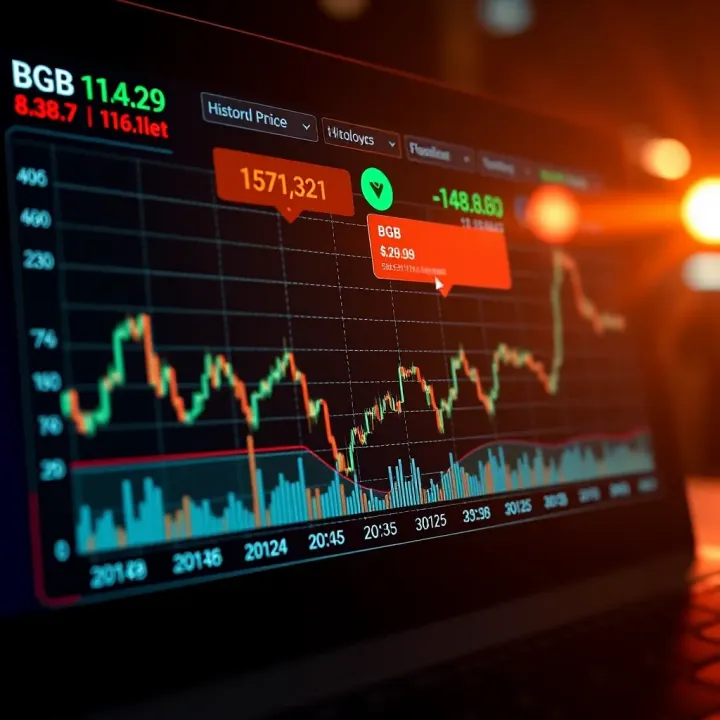
🌐 Explore BGB price predictions with insights on value drivers, past trends, market behavior, and growth odds to guide your crypto investments wisely.
🔍 Get detailed ATOM price insights with expert analysis, market trends, and risks. Stay informed and make smart crypto moves in Pakistan and beyond! 🚀
Based on 7 reviews